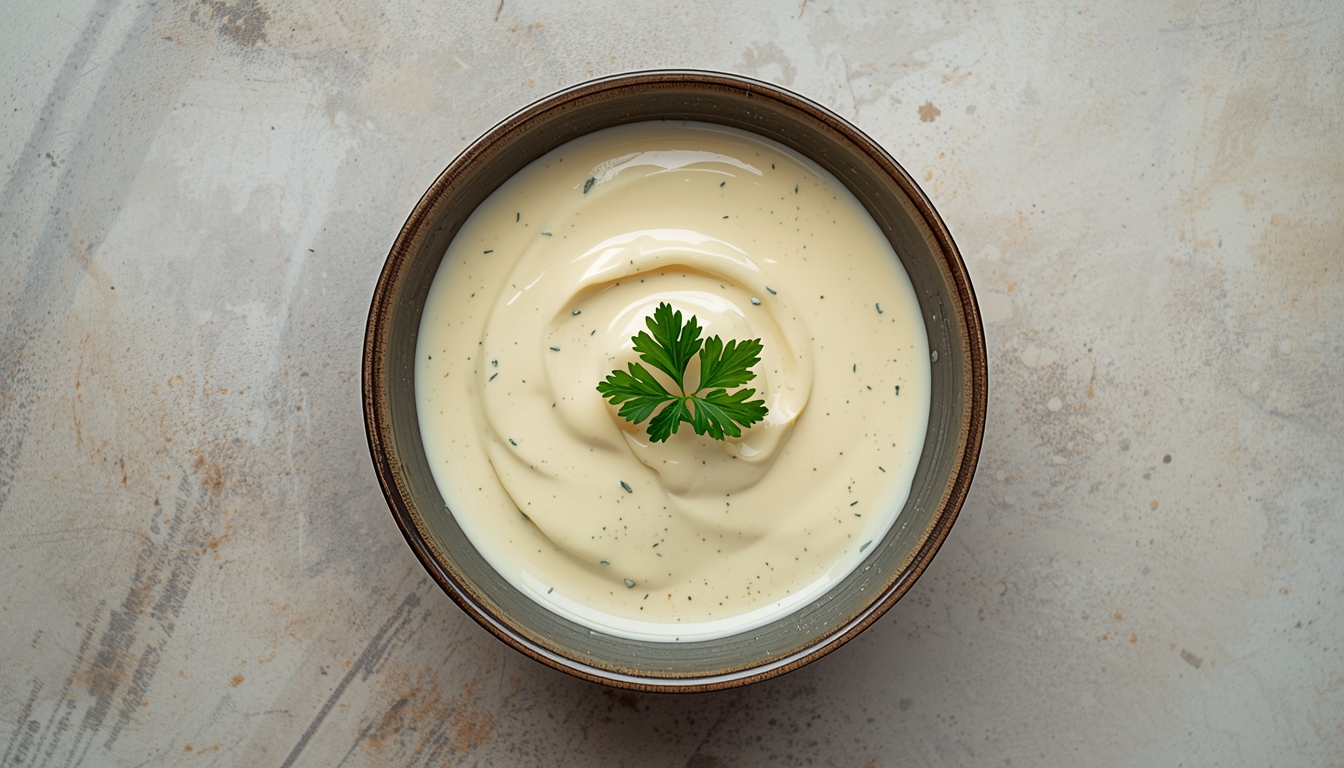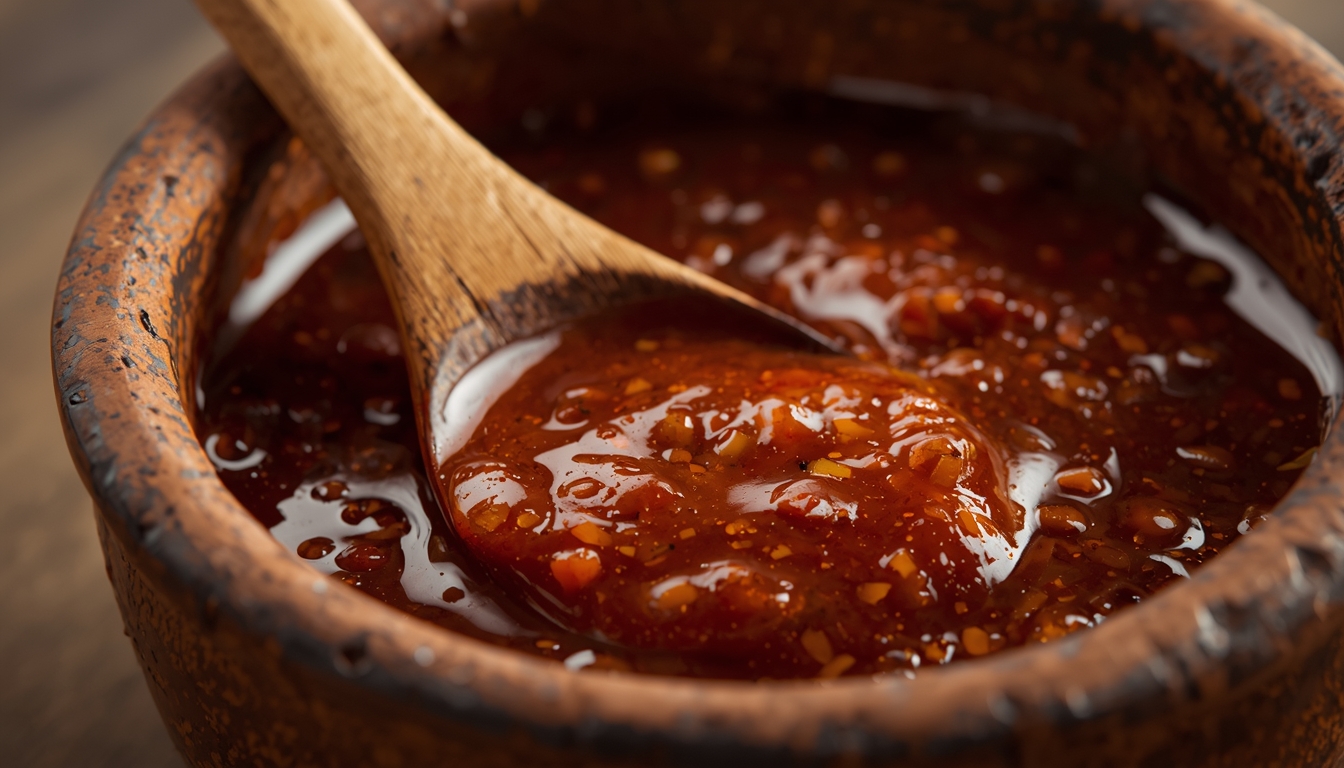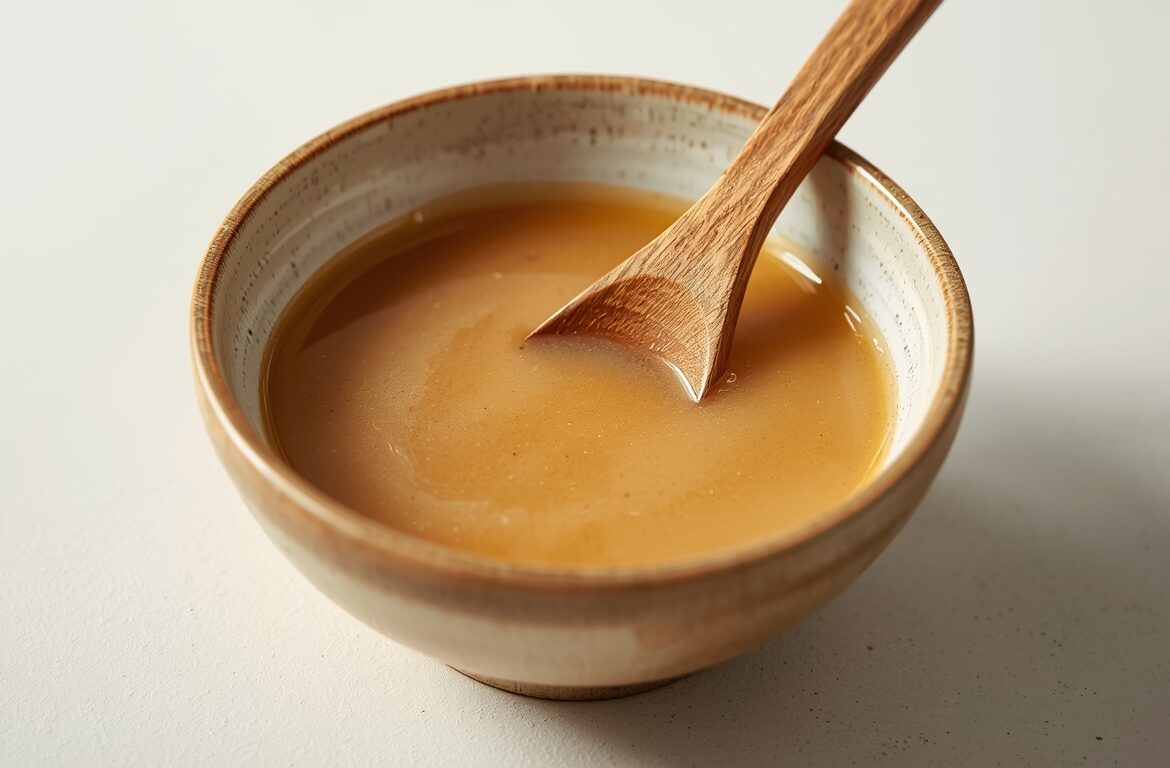
The Miso Sauce Recipe is a versatile culinary tool that serves as a cornerstone of Japanese-inspired home cooking. Miso itself is a fermented paste made from soybeans, sea salt, and koji (a mold-cultivated rice, barley, or soybean). The resulting sauce is a concentrated source of umami—the savory fifth taste—that can transform simple vegetables, proteins, and grains into complex, restaurant-quality meals.
For the home cook, mastering a Miso Sauce Recipe provides a bridge between traditional fermentation and modern quick-prep cooking. Unlike heavy dairy-based sauces, miso-based glazes and dressings offer a deep, savory profile without excessive saturated fats. Whether you are looking for a thick glaze for salmon or a thin, emulsified dressing for a salad, understanding the foundational principles of miso preparation is essential for consistent results.
Understanding the Cooking Method
The primary challenge of any Miso Sauce Recipe is managing the delicate nature of the fermented paste. Because miso contains live probiotics and complex proteins, it reacts specifically to heat and mechanical agitation.
Emulsification vs. Reduction
Most miso sauces are created through emulsification—the process of blending the thick paste with liquids like mirin, sake, or oil. If the sauce is intended for a glaze, a slight reduction over low heat may be required to thicken the sugars. However, boiling a miso sauce for an extended period can turn the flavor bitter and destroy the aromatic nuances of the fermentation.
Flavor Balancing
A professional Miso Sauce Recipe relies on the balance of four key elements: salt (from the miso), sweet (from sugar or mirin), acid (from rice vinegar or citrus), and fat (from sesame oil or tahini). Achieving the correct ratio between these components ensures the sauce enhances rather than overpowers the main ingredient.
Ingredients and Portion Guidelines
To produce a high-quality Miso Sauce Recipe, you must select the appropriate variety of miso and complementary seasonings.
Choosing Your Miso
- White Miso (Shiro): Fermented for a shorter time with more rice. It is mild, sweet, and best for dressings and light sauces.
- Yellow Miso (Shinsu): An all-purpose variety with an earthy, slightly stronger flavor.
- Red Miso (Aka): Fermented longer with a higher soybean content. It is salty, pungent, and ideal for hearty glazes and braises.
Key Aromatics and Liquids
- Mirin: A Japanese sweet rice wine that provides a glossy sheen and counteracts the saltiness of the miso.
- Sake: Adds depth and helps thin the paste into a pourable consistency.
- Rice Vinegar: Provides a clean acidity to brighten the fermented notes.
- Ginger and Garlic: These should be grated finely to ensure they integrate into the smooth sauce.
Portioning Ratios
A standard ratio for a multi-purpose Miso Sauce Recipe is 3 parts miso paste to 2 parts sweetener (mirin/sugar) and 1 part acidity (vinegar). Adjustments can be made depending on the desired thickness.
Tools for Home Cooking
Precision in a Miso Sauce Recipe is achieved through tools that ensure a smooth, lump-free texture.
- Small Balloon Whisk: Miso paste is dense. A whisk is necessary to break up the paste and incorporate it into liquids.
- Fine-Mesh Sieve: Traditionally, Japanese cooks use a “miso koshi” (a small strainer) to push the paste into liquids, ensuring no large soybean hulls or lumps enter the sauce.
- Microplane or Grater: For incorporating fresh ginger and garlic without adding fibrous chunks.
- Heavy-Bottomed Saucepan: If the recipe involves heating, a thick base prevents the sugars in the mirin and miso from scorching.
- Airtight Glass Jar: For storage, as miso is highly reactive to odors in the refrigerator.
Cooking Schedule Overview
One of the benefits of a Miso Sauce Recipe is its efficiency. It can be prepared in minutes and often improves with a short rest period.
- Prep Time (5 Minutes): Measuring ingredients and grating aromatics.
- Mixing/Cooking (5–10 Minutes): Whisking the cold emulsion or gently simmering a glaze.
- Resting (optional): Allowing the flavors to meld for 15 minutes before application.
- Storage: Most miso sauces remain stable in the refrigerator for up to two weeks.
Practical Miso Sauce Recipe Guide
This guide focuses on a “Universal Miso Glaze,” which is suitable for fish, eggplant, or chicken.
1. The Cold Base
In a small bowl, combine 4 tablespoons of white or yellow miso paste with 2 tablespoons of mirin and 1 tablespoon of sake. Bold Tip: Use room-temperature miso paste, as it whisks into liquids much more easily than cold paste straight from the refrigerator.
2. Adding Aromatics
Grate 1 teaspoon of fresh ginger and 1 small clove of garlic into the bowl. Add 1 teaspoon of toasted sesame oil and 1 teaspoon of sugar (if you prefer a sweeter glaze).
3. Emulsification
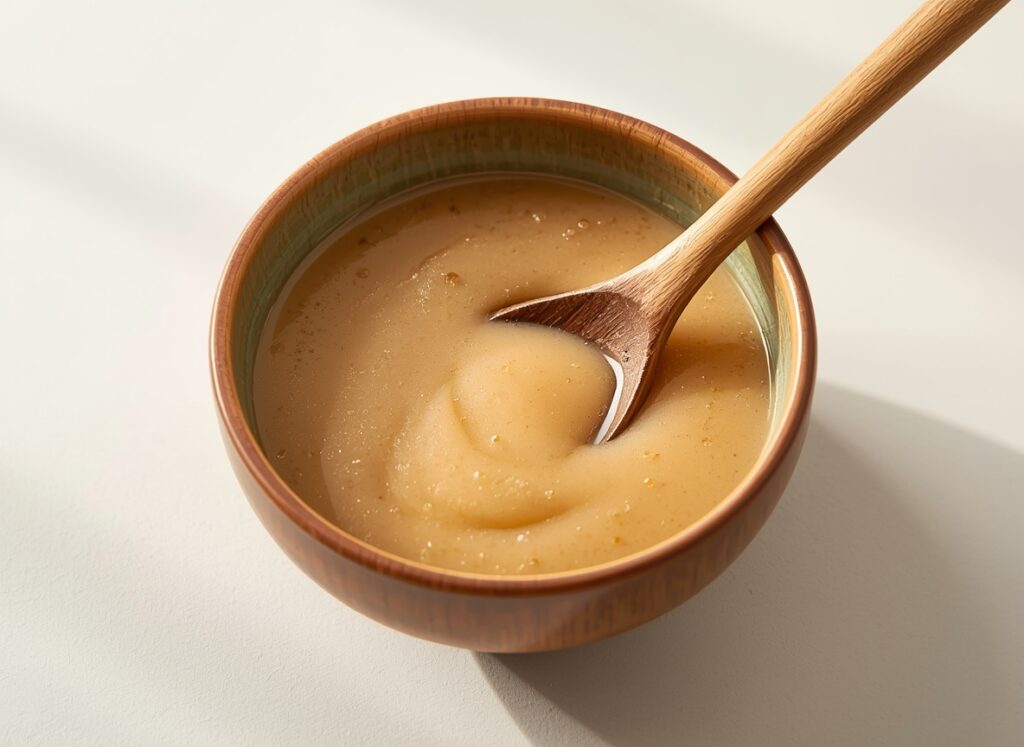
Whisk vigorously until the mixture is completely smooth. At this stage, the sauce should have the consistency of heavy cream.
4. Optional Heat Application
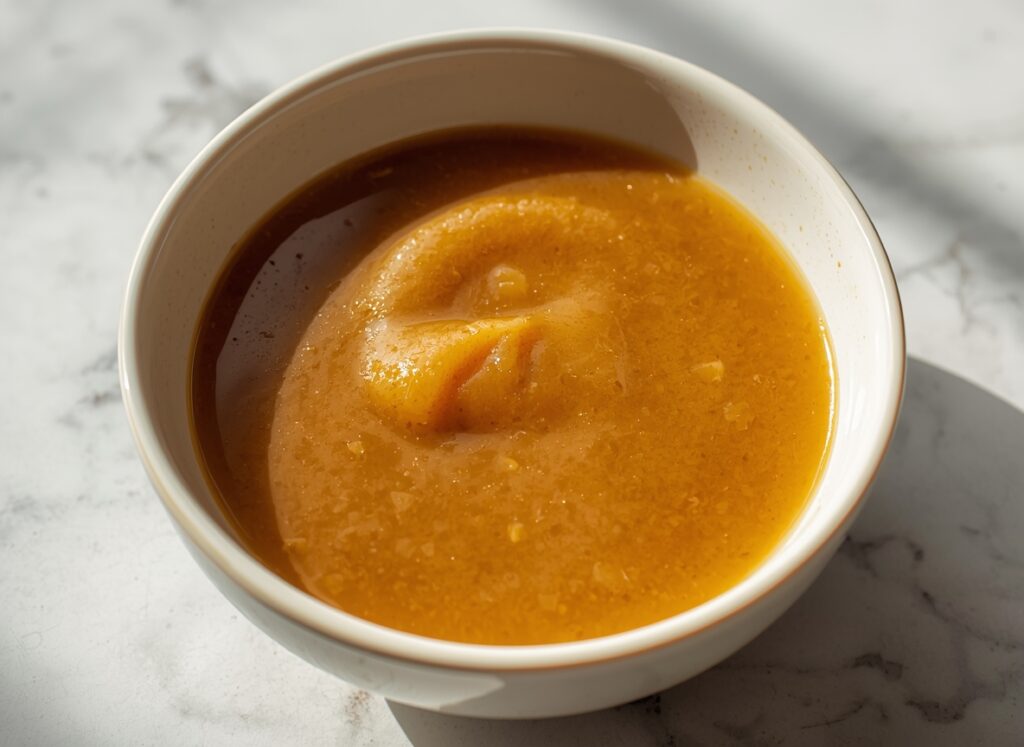
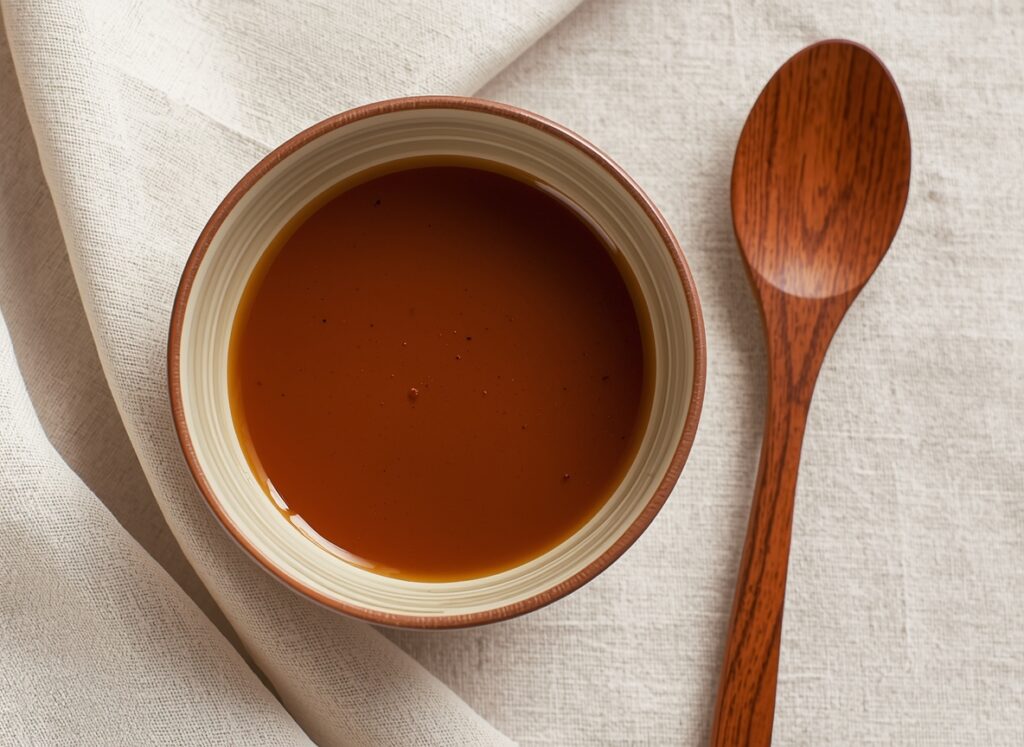
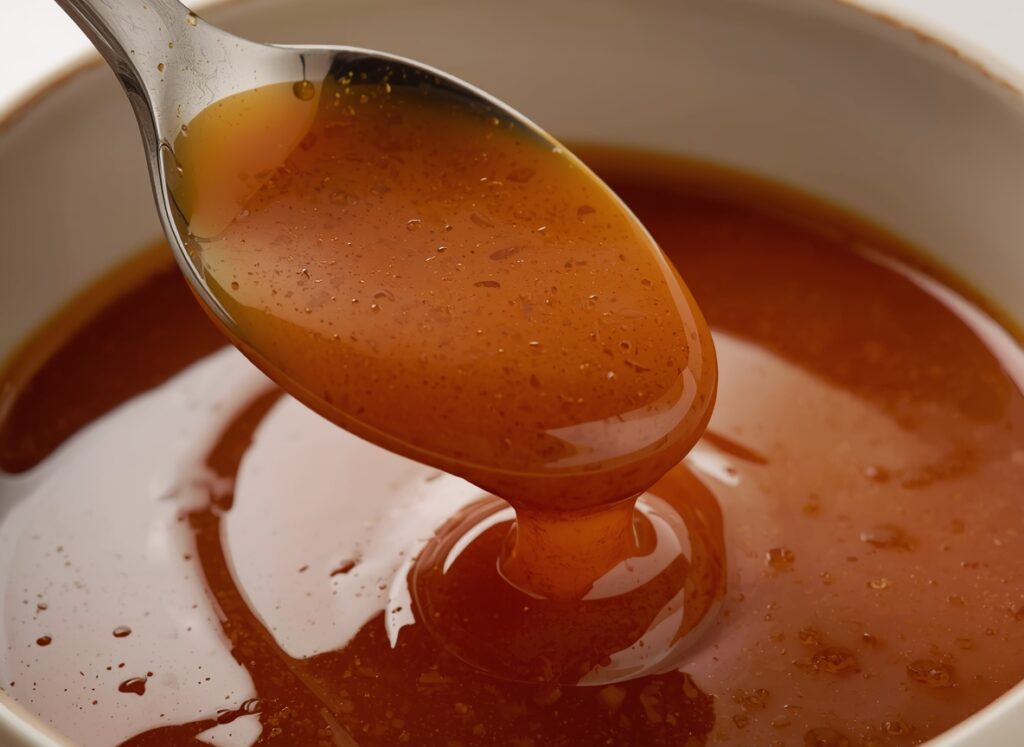
If you are using the Miso Sauce Recipe as a thick glaze for broiling (such as Miso Dengaku), transfer it to a small saucepan. Heat over medium-low for 3–5 minutes, stirring constantly. The sauce will darken slightly and thicken as the sugars caramelize.
5. Application
Brush the sauce onto your protein or vegetable during the last few minutes of cooking. Because of the high sugar content, the sauce can burn quickly under a broiler or on a grill.
Home Cooking Errors to Avoid
- Boiling the Sauce: High heat breaks down the complex flavor compounds in miso. Always simmer gently or add miso at the end of the cooking process.
- Using Too Much Salt: Miso is inherently salty. If your Miso Sauce Recipe feels too salty, do not add water; instead, balance it with a small amount of sugar or rice vinegar.
- Inadequate Whisking: Lumps of pure miso paste can be overwhelmingly salty and pungent. Ensure the sauce is a homogenous emulsion before use.
- Using Red Miso for Delicate Dishes: Red miso can easily overpower white fish or fresh greens. Stick to white or yellow miso unless you are cooking red meat or hearty root vegetables.
- Improper Storage: Miso sauce can oxidize. Always store it in a container with minimal headspace or press a piece of plastic wrap directly onto the surface of the sauce to prevent a skin from forming.
Frequently Asked Questions for Home Cooks
Does miso sauce expire? While miso paste itself lasts a long time due to its high salt content, once you add other ingredients like mirin, fresh ginger, or garlic, the shelf life decreases. A prepared Miso Sauce Recipe should be used within 10–14 days for optimal flavor.
Can I make this recipe gluten-free? Most miso is gluten-free, but some varieties are fermented with barley (mugi miso) or wheat. To ensure your sauce is gluten-free, look for “certified gluten-free” labels or choose miso made solely from rice and soybeans.
Why is my miso sauce separated? If the sauce contains oil (like sesame oil), it may separate in the refrigerator. This is a natural occurrence. Simply whisk the sauce again or give the jar a vigorous shake before using.
Can I use miso sauce as a marinade? Yes, but be cautious. Because miso contains sugar and protein, it can burn easily on a grill. If using it as a marinade, wipe off the excess paste before cooking, or cook over indirect heat.
What is a good substitute for mirin? If you do not have mirin for your Miso Sauce Recipe, you can substitute it with dry sherry or white wine mixed with 1/2 teaspoon of sugar per tablespoon of liquid.
Is miso sauce healthy? In moderation, miso is quite healthy. It provides protein, manganese, and zinc. However, it is high in sodium, so it should be used strategically as a flavor enhancer rather than a primary ingredient.
Homemade Peruvian Green Sauce Recipe Everyone Loves
Quick Garlic Cream Sauce Recipe in 10 Minutes
Classic White Pasta Sauce Recipe Everyone Loves
Homemade Hot Honey Sauce Recipe Everyone Loves
Quick Gyoza Sauce Recipe You Can Make at Home