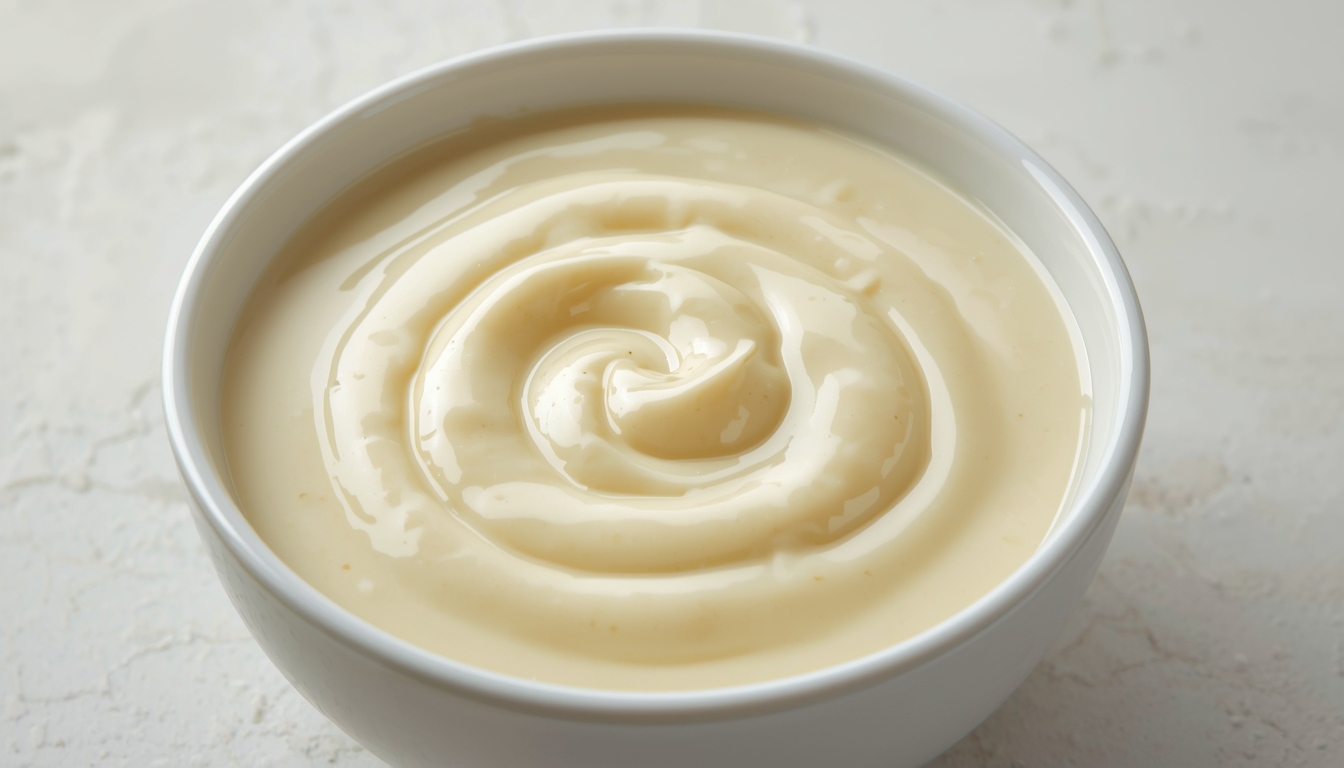
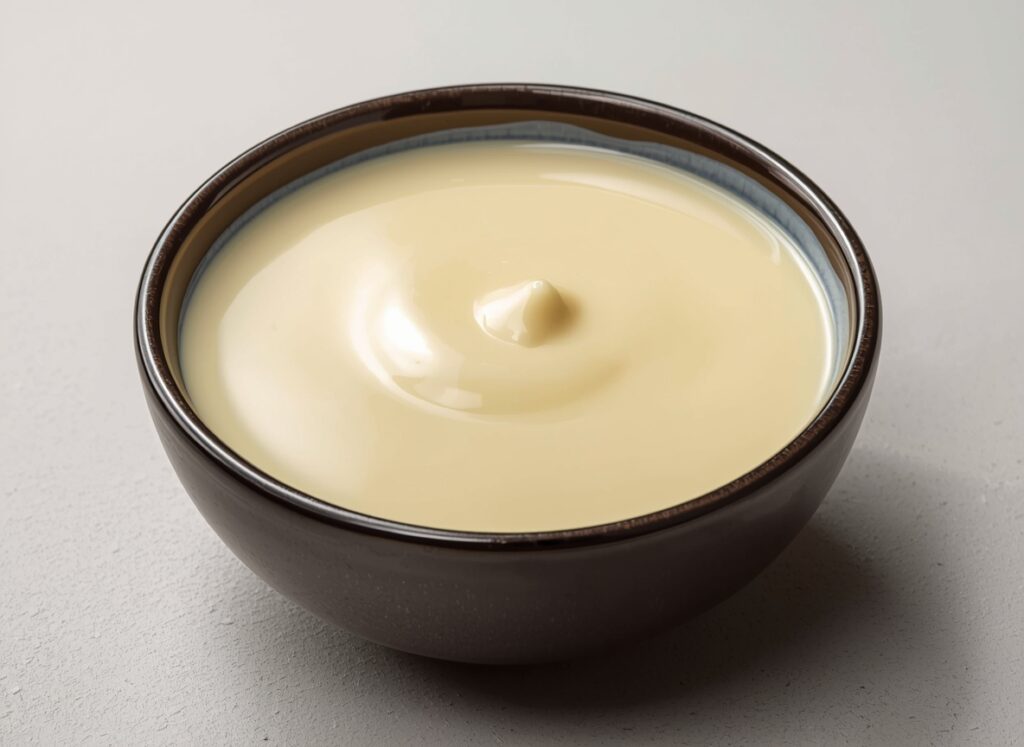
Mornay Sauce Recipe Imagine turning a simple bowl of pasta or a plate of veggies into something that feels like a fancy French bistro meal. That’s the magic of Mornay sauce. This creamy cheese delight starts with a solid Béchamel base, one of the classic mother sauces from French cooking. It adds rich, smooth flavor that clings to every bite. Whether you pour it over macaroni or roasted cauliflower, it upgrades everyday dishes without much fuss.Mornay Sauce Recipe
Mornay sauce dates back to the 19th century in French kitchens. It builds on Béchamel, named after a French steward who loved thickened milk sauces. Chefs everywhere swear by it for its versatility. You can whip it up for quick weeknight dinners or special gatherings. In the end, this recipe gives you that velvety texture pros chase.Mornay Sauce Recipe
Mastering the Foundation: Crafting the Perfect Béchamel Base
A great Mornay starts with a flawless Béchamel. This white sauce acts as the backbone. Get this right, and your final dish shines. Focus on ratios and steps to avoid lumps or bland tastes
The Roux: Equal Parts Butter and Flour for Smoothness
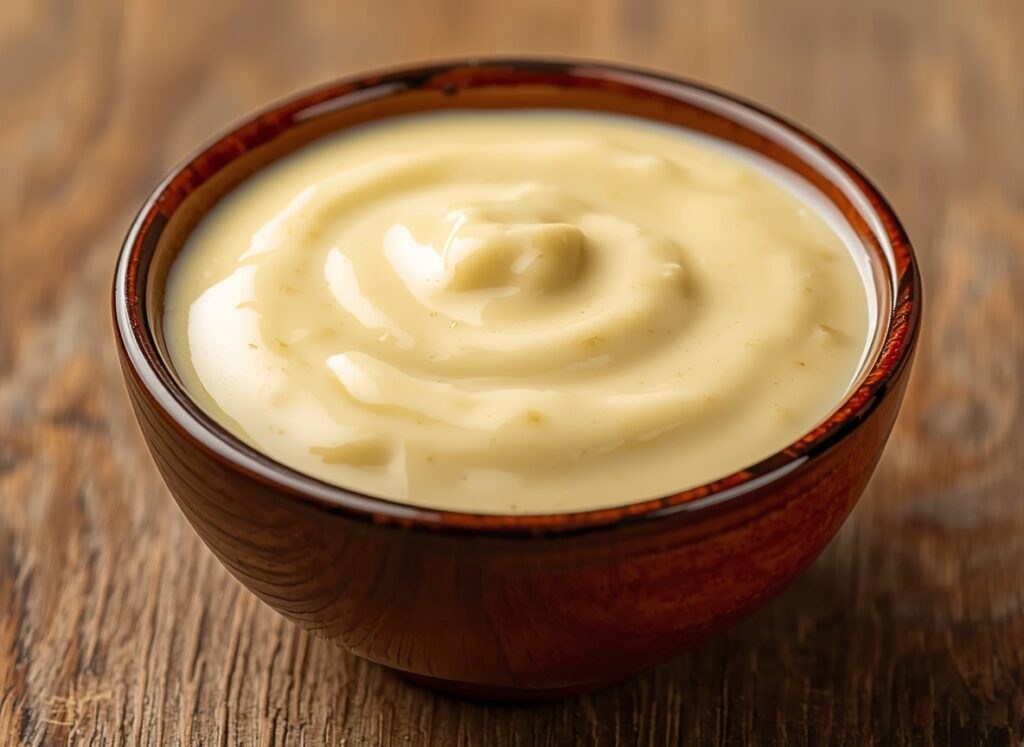
Start by melting butter in a saucepan over medium heat. Use one tablespoon each of butter and flour for every cup of milk. Stir them together to form a paste, or roux. Cook it for about two minutes. This cooks out the raw flour flavor. Keep the heat low so it stays white, not brown.
Watch the color closely. A white roux keeps the sauce pale and pure. If it darkens, you’ve gone too far for this style. For a cleaner taste, try clarified butter. It removes milk solids that can make the sauce cloudy. Just melt butter and skim off the foam.Mornay Sauce Recipe
Equal parts butter and flour give you that smooth base. Stir constantly with a whisk. Patience here pays off in the end.
Milk Selection and Gradual Incorporation
Pick whole milk for the best results. It has enough fat to create a creamy body. Low-fat versions work but thin out the sauce fast. Heat the milk separately to about 140 degrees Fahrenheit. This warm temperature helps it blend smoothly.Mornay Sauce Recipe
Add the milk to the roux bit by bit. Whisk nonstop as you pour. Go slow at first to build the sauce without lumps. The classic rule is cold milk into hot roux, or vice versa. Either way prevents clumping if you stir well.
Standard ratios call for a 1:1:10 mix by weight: butter, flour, and milk. This makes a medium-thick sauce that coats pasta or veggies just right. Simmer gently for five minutes after all milk joins. It thickens as it cooks.Mornay Sauce Recipe
Seasoning the Béchamel: The Secret to Deeper Flavor
Salt and white pepper form the base seasonings. But don’t stop there. Infuse more taste with a bouquet garni. Tie a bay leaf and a few peppercorns in cheesecloth. Or stud an onion with cloves for an onion piqué. Drop it into the simmering sauce.
Let it steep for ten minutes. This adds subtle onion and herbal notes. Fish it out before you move on. Fresh nutmeg grating gives a warm, nutty hint too. Just a pinch does the trick.
These steps build layers in your Béchamel. Without them, the sauce tastes flat. Season early so flavors meld during cooking.
Transforming Béchamel into Rich Mornay Sauce
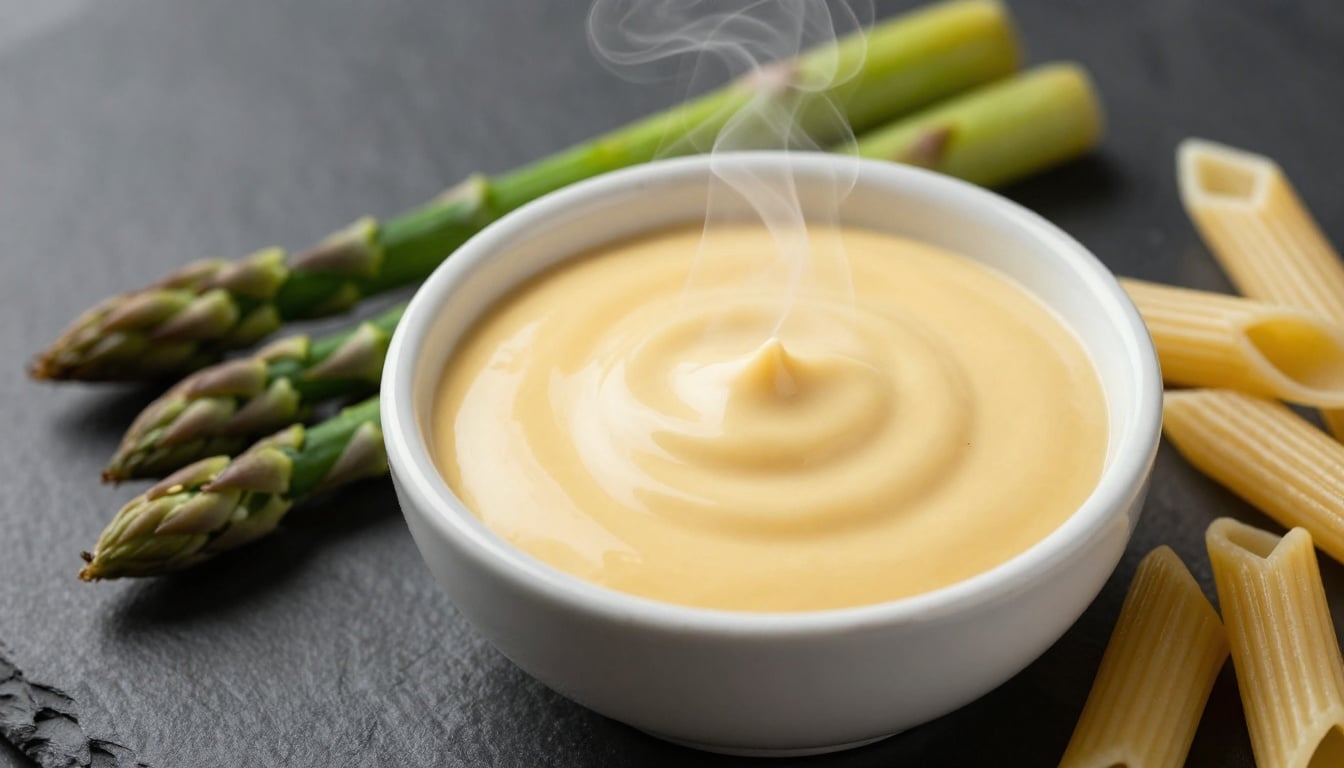
Now take your Béchamel and turn it into Mornay magic. Cheese is the star here. Add it wrong, and you get a mess. Do it right, and it’s pure comfort.
Selecting the Best Cheeses for Optimal Melt and Flavor
Gruyère and Parmesan make the classic pair. Gruyère melts smooth with a nutty edge. Parmesan adds sharp saltiness. Use about four ounces total per cup of sauce. Shred them fresh for best results.
Skip high-moisture cheeses like mozzarella. They release water and make the sauce watery. Processed American cheese works in a pinch but lacks depth. Go for quality blocks you grate yourself.
Mix half Gruyère and half Parmesan. This blend gives balance. As chef Auguste Escoffier wrote in his cookbook, the right cheeses create “a sauce of supreme elegance.” His words still guide home cooks today.
The Tempering Technique: Preventing Graininess
Remove the pan from heat before adding cheese. Stir in small handfuls at a time. Let each batch melt fully before the next. Low heat keeps proteins happy and stops graininess.
Boiling after cheese goes in causes trouble. Proteins tighten up and curdle. Always whisk off heat for that silky finish. If needed, return to very low heat just to warm through.
Grate cheese right before use. Pre-shredded packs have starch that fights melting. Fresh shreds blend like a dream.
Adjusting Consistency and Emulsification
Test the sauce on a spoon’s back. It should coat without running off fast. Too thick? Whisk in a splash of warm milk or cream. Too thin? Simmer uncovered for a minute or two. It thickens as moisture evaporates.
Emulsification is key for creaminess. The roux binds fats and liquids. If it breaks, add hot milk slowly while whisking off heat. This pulls it back together.Mornay Sauce Recipe
Aim for nappe consistency. That’s the French term for perfect coating. Your Mornay will hug pasta or veggies just right.Mornay Sauce Recipe
The Best Mornay Sauce for Pasta Dishes
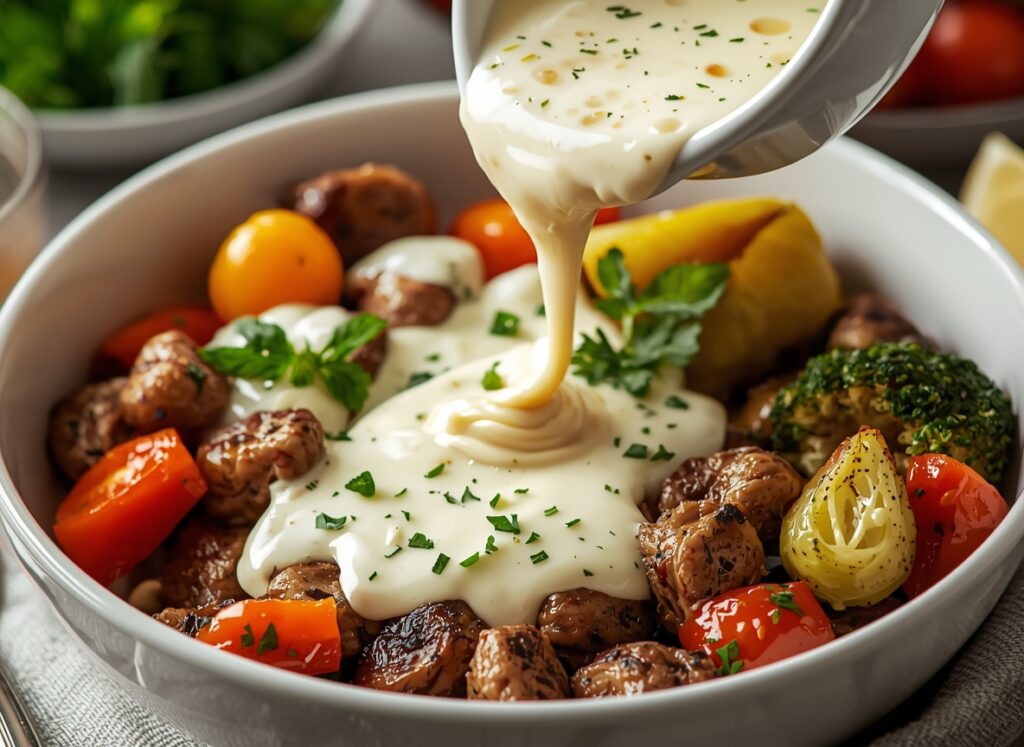
Mornay shines on pasta. It beats basic cheese sauces every time. Think creamy, clingy goodness that soaks in.
Classic Macaroni and Cheese Reinvented
Cook elbow pasta al dente. Drain and mix with your Mornay right away. Top with breadcrumbs and bake at 350 degrees for 20 minutes. The sauce bubbles into golden perfection.
This base lifts boxed mac way up. No more powdery mixes. Add ham or peas for variety. It feels homemade and fancy.Mornay Sauce Recipe
Thomas Keller at The French Laundry uses Mornay-like sauces for his pastas. His dishes inspire this simple twist.
Integrating with Baked Pasta Dishes (Gratins)
For baked ziti, make Mornay a tad thicker. Use less milk in the Béchamel. Layer it with pasta, meat sauce, and more cheese. Bake until set.
In lasagna, spread Mornay between sheets instead of ricotta. It binds everything with creaminess. No dry edges here.Mornay Sauce Recipe
Gratins love this sauce too. Toss cooked pasta with veggies and Mornay. A quick bake crisps the top. It’s crowd-pleasing comfort food.
Perfect Pairings for Vegetables
Veggies get a glow-up with Mornay. It’s not just for broccoli anymore. Pair it with bold flavors for balance.
Cauliflower Cheese: The Traditional Showcase
Blanch cauliflower florets first. This keeps them tender. Drain well, then coat in Mornay. Place in a baking dish.Mornay Sauce Recipe
Top with extra cheese and broil for a browned crust. Bake at 375 degrees for 15 minutes if you prefer. The sauce sticks without pooling thanks to the blanch.
Cut florets uniform size. This ensures even cooking. Season with mustard powder in the sauce for a kick.
Glazing Roasted Vegetables with Mornay
Roast asparagus at 400 degrees for 10 minutes. Drizzle warm Mornay over top right from the oven. It melts in and glazes nicely.
Try Brussels sprouts halved and roasted crisp. Mornay binds them before a final broil. Root veggies like carrots take it well too. The sauce adds richness to their earthiness.
Stir in fresh chives or parsley at the end. This brightens the dish. It’s a fresh pop against the creamy sauce. Serve hot for best taste.Mornay Sauce Recipe
Troubleshooting and Storage for Mornay Sauce
Sauces can go wrong. But fixes are easy. Learn these to save your dish.
Fixing Common Mornay Failures (Broken or Greasy Sauce)
If it breaks and looks oily, don’t panic. Take it off heat. Whisk in a tablespoon of hot milk or cream at a time. Keep going until it smooths out.
Grainy from overheat? Strain through a fine sieve. Add a pat of butter to revive shine. Greasy tops come from rapid cooling. Stir occasionally as it sits.
Lumps? A quick blend with an immersion blender works wonders. These steps keep your sauce rescue-worthy.
Reheating and Preserving Leftover Mornay
Store in an airtight container in the fridge. It lasts 3-4 days thanks to the flour’s stability. Freezing works too—up to two months in portions.Mornay Sauce Recipe
To reheat, warm over low heat. Add a splash of milk to loosen it up. Stir often to avoid scorching. Microwave in short bursts if you’re in a rush, but stir between.Mornay Sauce Recipe
Avoid boiling when reheating. It can curdle the cheese again. Gentle heat preserves that velvet feel.
The Best Mornay Sauce Recipe for Pasta & Veggies (7 FAQ)
What is Mornay sauce?
A classic French sauce made from béchamel (milk and roux) with cheese, often Gruyère or Parmesan, creamy and smooth.
Can I use different cheeses?
Yes, cheddar or fontina work, but Gruyère gives the classic nutty flavor.
Can I make it vegan?
Yes, use plant-based milk and vegan butter with nutritional yeast for cheesy flavor.
How do I prevent lumps?
Whisk continuously when adding milk to the roux and cook gently over medium heat.
Can I store leftovers?
Yes, refrigerate in an airtight container for 3–4 days. Reheat gently on low heat with a splash of milk.
Is it thick or pourable?
Adjust consistency with milk. For pasta, a medium-thick pour works best; for veggies, slightly thinner is fine.
What dishes pair best with Mornay sauce?
Pasta, steamed vegetables, cauliflower gratin, chicken, or baked fish.
Big Mac Sauce Recipe – Easy, Classic & Homemade
Hainanese Chicken Rice Chilli Sauce – Authentic, Fresh & Spicy
Easy Boom Boom Sauce Recipe – Creamy, Spicy & Delicious
Conclusion: Your Go-To Guide for Luxurious, Homemade Mornay
Mastering Mornay sauce means nailing the roux, picking top cheeses, and using gentle heat. This Béchamel-based wonder fits pasta and veggies like a glove. From mac and cheese to cauliflower bakes, it brings French flair home.Mornay Sauce Recipe
You’ve got the tools now. Try this recipe next time you crave comfort. Whip up a batch and see how it transforms your meals. Your kitchen will smell amazing, and your taste buds will thank you. What’s your favorite way to use it? Start cooking today!Mornay Sauce Recipe

[…] The Best Mornay Sauce Recipe for Pasta & Veggies […]
[…] The Best Mornay Sauce Recipe for Pasta & Veggies […]