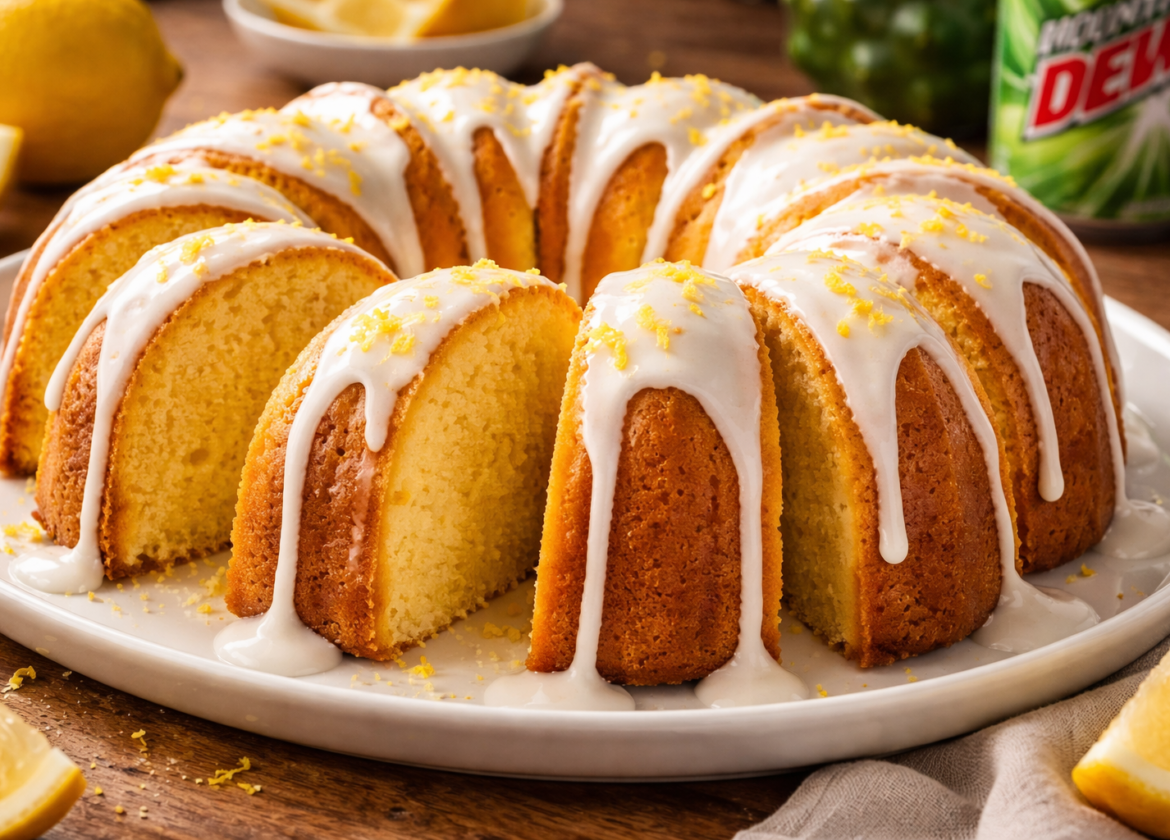
The Mountain Dew Cake Recipe is often categorized under “soda cakes” or “dump cakes,” but that description undersells the actual science at play. While it might sound like a kitschy novelty from a mid-century community cookbook, this cake has endured because it solves two of the biggest problems in home baking: moisture retention and citrus brightness.
For the uninitiated, the idea of pouring a bright green soda into a cake batter might seem unorthodox. However, in a professional or high-volume baking context, the carbonation in the soda acts as a secondary leavening agent, while the high citric acid content mimics the effect of buttermilk or sour cream by tenderizing the flour’s gluten. The result isn’t a cake that tastes like a soft drink; rather, it’s a remarkably light, moist Bundt cake with a zesty, lemon-lime profile that surprises most skeptics. Mastering this recipe is less about “mixing” and more about managing the chemical reaction between the soda and the dry ingredients.
What Actually Happens During Cooking
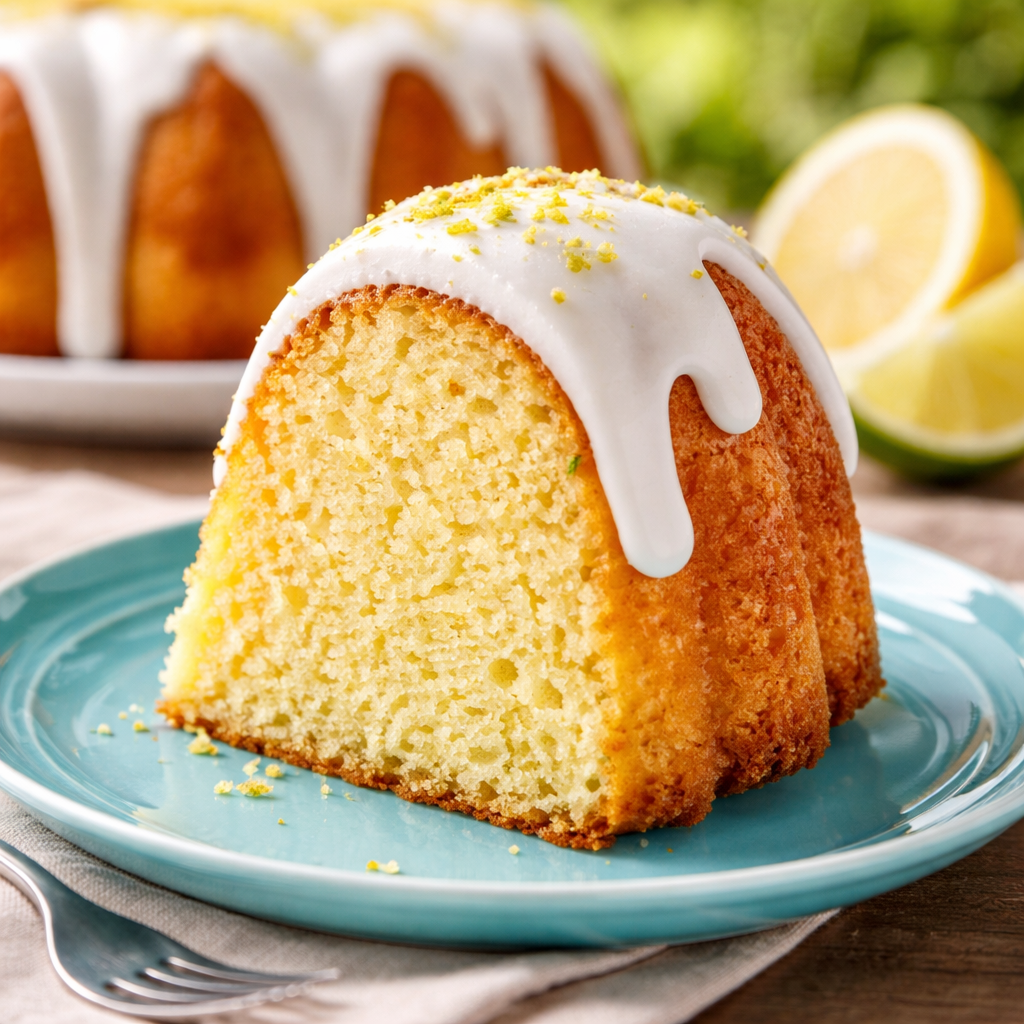
When you execute a Mountain Dew Cake Recipe, you are participating in a specific type of chemical aeration. Understanding what happens inside the oven helps you avoid a sunken center or a rubbery crumb.
- Carbonation and Lift: The carbon dioxide bubbles in the soda provide an immediate “oomph” to the batter. This is why it is essential to use a fresh, unopened bottle. Flat soda will result in a dense, heavy brick.
- Acid-Base Reaction: Most versions of this recipe utilize a boxed yellow cake mix or a standard flour-baking powder base. The acidity in the Mountain Dew reacts with the leavening agents in the mix, creating a finer, tighter crumb structure than you would get with water or milk alone.
- Sugar Caramelization: Because the soda contains a high concentration of high-fructose corn syrup or sugar, the cake tends to develop a beautiful, slightly tacky golden-brown crust. This “crust” is the perfect vessel for a thin glaze, as it absorbs liquid without becoming soggy.
Ingredient Roles and Preparation Logic
A successful Mountain Dew Cake Recipe depends on the synergy between the convenience of a base and the freshness of the add-ins.
The Liquid Catalyst
- Mountain Dew: 12 ounces (one standard can). Do not use “Diet” or “Zero Sugar” versions unless the recipe is specifically formulated for them. The sugars in the regular soda are structural; they contribute to the moistness and the “heaviness” of the batter that keeps it from drying out.
The Base
- Yellow Cake Mix: 1 box (standard 15.25 oz). This provides the flour, stabilizers, and vanilla notes.
- Instant Lemon Pudding Mix: 1 small box (3.4 oz). This is the “secret” ingredient. The modified cornstarch in the pudding mix acts as a moisture-lock, ensuring the cake stays fresh for several days.
The Fats and Binders
- Neutral Oil: 3/4 cup (vegetable or canola). Oil remains liquid at room temperature, which makes for a softer mouthfeel than butter.
- Large Eggs: 4 units. Most box mixes call for three, but adding a fourth egg provides the extra protein structure needed to support the high liquid volume of the soda.
The Citrus Boost
- Lemon and Lime Zest: 1 tablespoon of each. While the soda provides the base flavor, fresh zest provides the “high notes” of citrus oil that make the cake taste “from scratch.”
Tools That Influence Cooking Accuracy
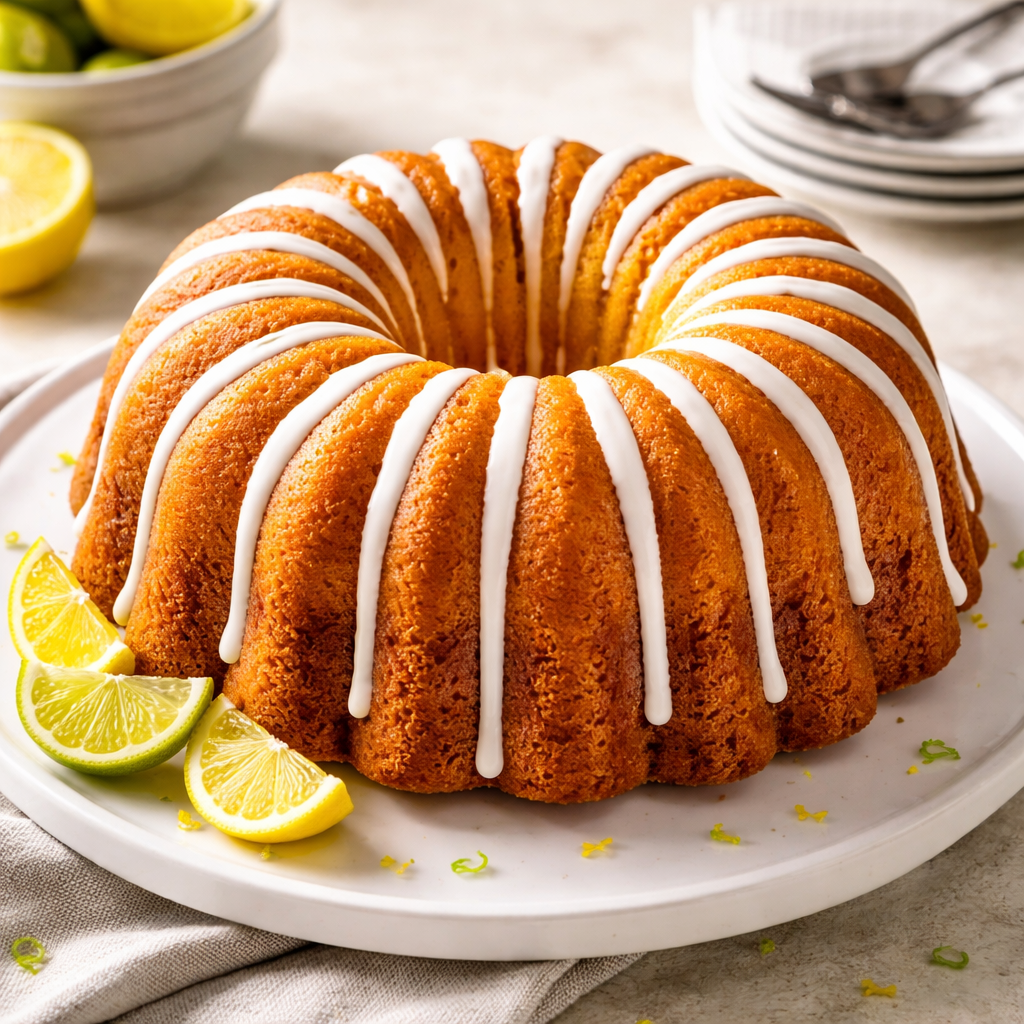
Precision in a Mountain Dew Cake Recipe is bolstered by using the right gear. Because this batter is relatively thin and high in sugar, the choice of pan is paramount.
- Standard 10-12 Cup Bundt Pan: Bundt pans are designed with a center tube that allows heat to reach the middle of the cake. This is vital for soda cakes, which are very moist and might otherwise remain raw in the center.
- Fine-Mesh Sieve: Use this to sift the cake mix and pudding mix together. Eliminating lumps before adding the soda prevents over-mixing later.
- Electric Hand Mixer: You want to incorporate air, but you don’t want to beat the carbonation out of the soda. A hand mixer on medium speed gives you better control than a high-powered stand mixer.
- Silicone Spatula: For folding in the zest and ensuring no dry pockets remain at the bottom of the bowl.
- Digital Scale: To ensure your dry ingredients haven’t settled and that you aren’t adding too much flour, which would ruin the “dewy” texture.
Structuring the Cooking Process
The workflow for a Mountain Dew Cake Recipe should be fast. Once the soda hits the dry ingredients, the “clock” starts on the carbonation.
- Phase 1: Prep (10 mins): Zest your fruit and grease your pan. Be meticulous with the greasing—Bundt pans are notorious for sticking, especially with high-sugar soda cakes.
- Phase 2: The Mix (5 mins): Combining wet and dry.
- Phase 3: The Bake (45–55 mins): The slow rise at 325°F or 350°F.
- Phase 4: The Glaze (10 mins): Applied while the cake is still slightly warm to allow for maximum absorption.
Writing a Natural Mountain Dew Cake Recipe Walkthrough
1. Preparing the Vessel
Start by preheating your oven to 325°F (165°C). I prefer a slightly lower temperature for this cake to prevent the high sugar content from browning the edges before the middle is set. Take your Bundt pan and grease it heavily with shortening, then dust with flour (or use a high-quality baking spray with flour included).
2. Sifting the Dry Base
In a large bowl, sift the yellow cake mix and the instant lemon pudding mix together. This ensures the pudding mix is evenly distributed, which prevents “clumps” of gelatinous cake.
3. The Emulsion
Add the 4 eggs, the 3/4 cup of oil, and the lemon/lime zest. Start your mixer on low and slowly pour in the 12 ounces of Mountain Dew. Increase the speed to medium and beat for exactly two minutes. You’ll notice the batter becomes pale and slightly foamy—that’s exactly what you want.
4. The Bake
Pour the batter into the prepared pan. Give the pan a sharp tap on the counter to release any large air bubbles. Slide it into the center of the oven. Bake for 45 to 55 minutes. You’re looking for the cake to pull away slightly from the sides of the pan and for a skewer to come out clean.
5. The Inversion
This is the most nervous part of any Mountain Dew Cake Recipe. Let the cake cool in the pan for exactly 10 to 15 minutes. Any longer, and the sugar will act like glue; any shorter, and the cake will be too fragile and break. Place a wire rack over the pan and flip it in one smooth motion.
6. The Glaze
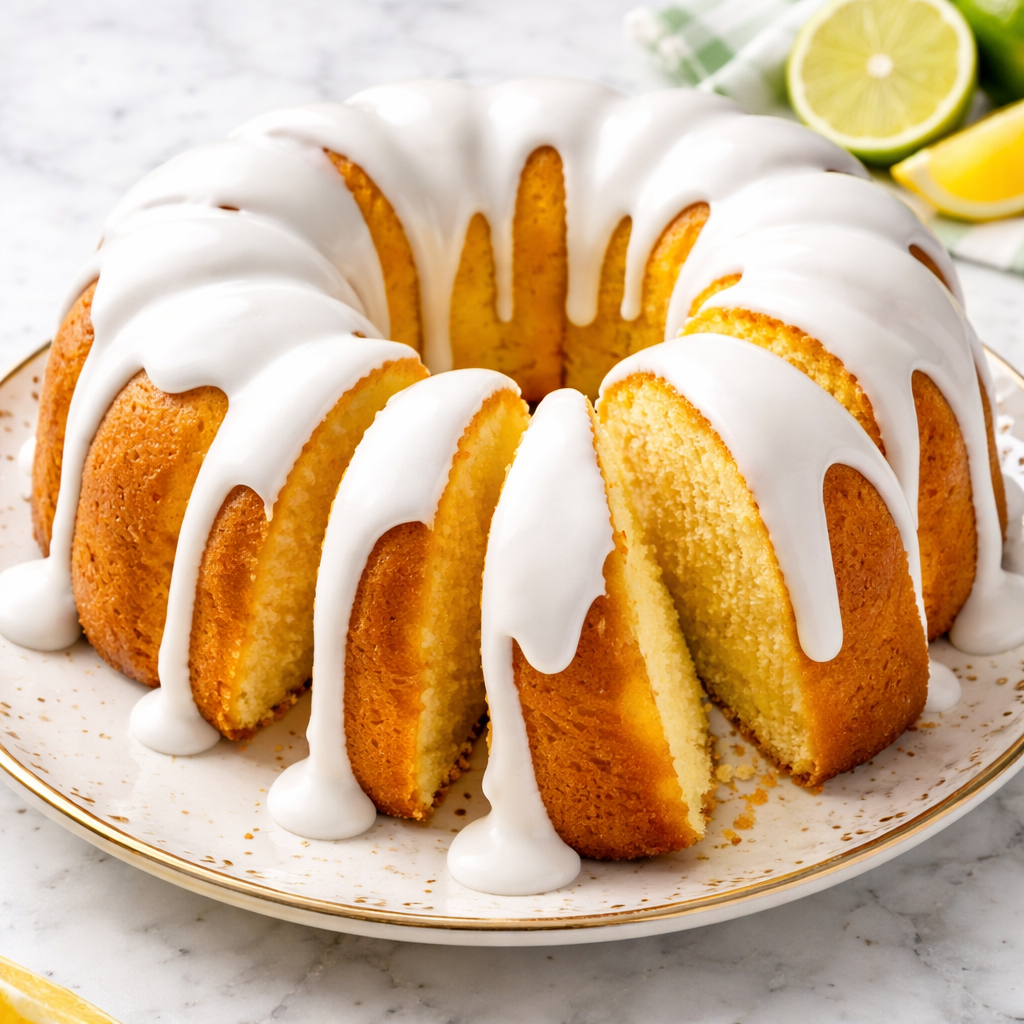
While the cake is warm, whisk together 1 ½ cups of powdered sugar with 2–3 tablespoons of Mountain Dew and a teaspoon of lemon juice. Drizzle it over the cake, allowing it to seep into the pores of the warm sponge.
Practical Issues Encountered During Cooking
Even a straightforward Mountain Dew Cake Recipe can present real-world challenges. Here is how to troubleshoot like a pro:
- The Cake Stuck to the Pan: This is usually due to the soda’s sugar caramelizing against the metal. Next time, try a “baker’s goop” (equal parts flour, oil, and shortening) to grease the pan. If it’s stuck now, try placing a warm, damp towel over the bottom of the inverted pan for 5 minutes to loosen the grip.
- The Center Sunk: This is often caused by opening the oven door too early or by using expired pudding mix. The “sink” can also happen if the soda was flat.
- The Cake is Too Brown on Top: Soda cakes have high surface sugar. If the cake is browning too fast, loosely tent the top with aluminum foil after the 30-minute mark.
- The Glaze Disappeared: If you glaze the cake while it is piping hot, the glaze will simply run off or soak in completely. Wait until the cake is “warm to the touch,” not “hot from the oven.”
FAQ Based on Common Reader Concerns
Can I use a different soda?
Yes. While it changes the flavor, the physics remain the same. Sprite, 7-Up, or even Mello Yello work perfectly. Some bakers even use Orange Crush for an “Orange Creamsicle” version of the Mountain Dew Cake Recipe.
Does the cake taste like soda?
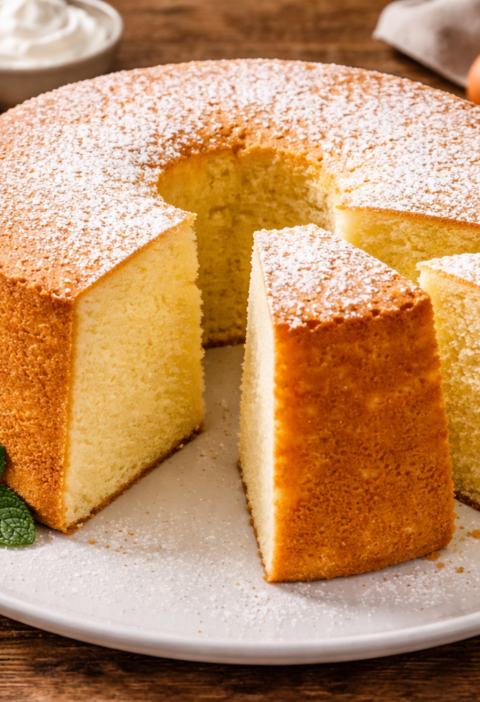
Surprisingly, no. It tastes like a very bright, very moist lemon-lime pound cake. The “chemical” flavor of the soda disappears during the baking process, leaving behind only sweetness and citrus.
Can I make this in a 9×13 pan?
Absolutely. If you don’t have a Bundt pan, a 9×13 pan works. Reduce the baking time to 30–35 minutes. It won’t be as “regal” looking, but it will be just as delicious.
How do I store this cake?
Because of the pudding mix and the soda, this cake stays moist longer than most. It can be kept in an airtight container at room temperature for up to 4 days. If you live in a very humid environment, refrigeration is better to keep the glaze from becoming too sticky.
Can I use a “homemade” cake base instead of a mix?
You can, but you must ensure your homemade recipe is formulated for high liquid volume. Box mixes are designed with emulsifiers that handle the “flooding” of 12 ounces of soda better than standard butter-and-sugar creaming methods.
Easy Mandarin Orange Cake Recipe for a Perfect Citrus Dessert
Homemade Chocolate Strawberry Cake Recipe – Perfect Dessert
Delicious Nothing Bundt Cake Recipe – Moist & Easy to Bake
Easy Chocolate Bundt Cake Recipe – Soft, Rich & Decadent
Fluffy Cloud Cake Recipe – Easy, Light & Perfect for Any Occasion
Earthquake Cake Recipe – Sweet, Moist & Decadent