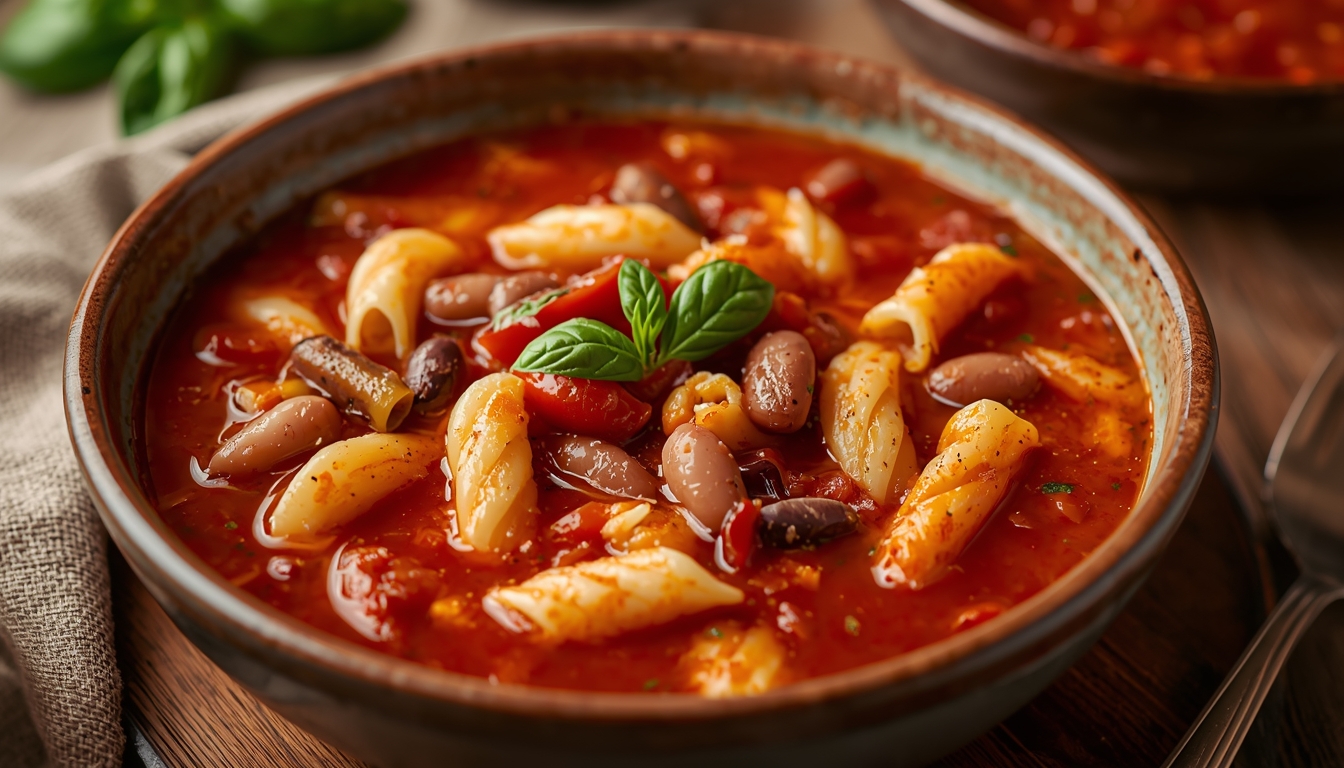
Olive Garden Pasta e Fagioli Recipe There’s something magical about Olive Garden’s Pasta e Fagioli. That hearty soup hits just right on a chilly evening. It mixes creamy beans, chewy pasta, and a rich tomato base into pure comfort. Fans line up for it at the restaurant. But why wait in line? You can whip up this Olive Garden Pasta e Fagioli recipe right in your kitchen. This guide walks you through every step. You’ll save money and tweak flavors to your taste. Get ready to impress your family with a spot-on copycat version.
The Anatomy of Authentic Pasta e Fagioli: Key Flavor Components
Olive Garden’s Pasta e Fagioli stands out because of its balanced tastes. It’s not just any bean soup. The mix of veggies, herbs, and proteins creates depth. Let’s break down what makes this dish tick. Understanding these parts helps you nail the recipe at home.
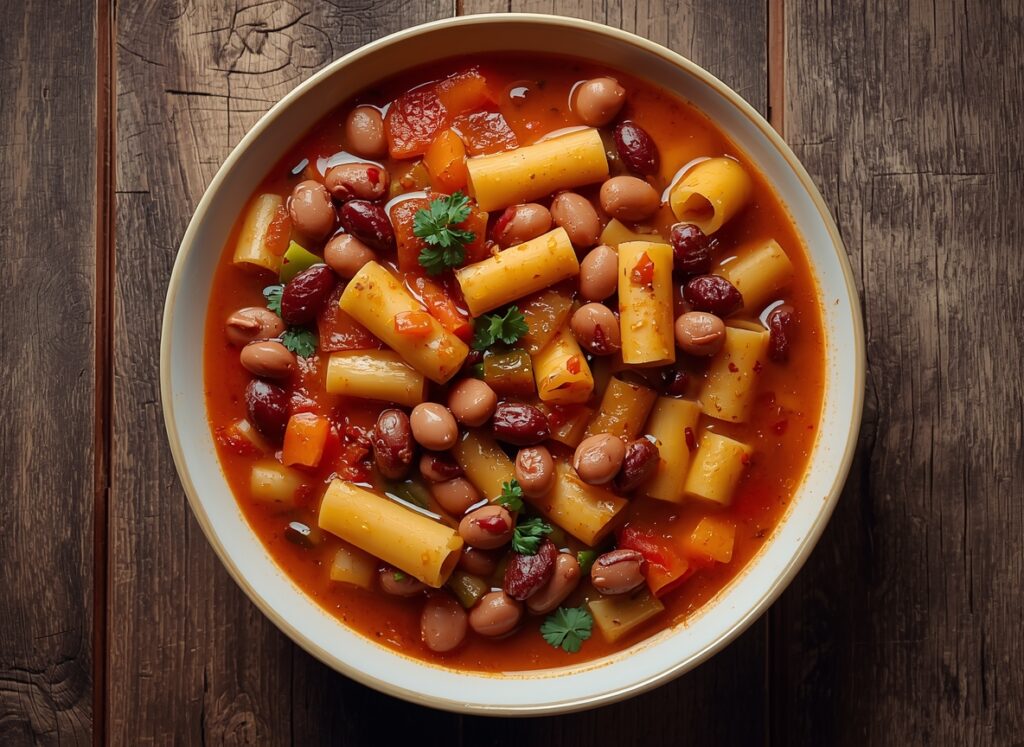
Quality ingredients matter most. Fresh produce and good broth build the foundation. Skip cheap canned stuff if you can. Opt for items that boost natural flavors instead.
Sourcing the Perfect Beans: Cannellini vs. Great Northern
Cannellini beans are the star in traditional Pasta e Fagioli. They offer a creamy texture and nutty taste. These white beans hold up well in soup. Olive Garden likely uses them for that smooth feel.
Great Northern beans work as a sub if you can’t find cannellinis. They’re smaller and firmer. This swap might make the soup a bit chunkier. But it still tastes great.
For best results, use canned beans rinsed well. Or soak dry ones overnight. This cuts down on extra salt and keeps textures right. Drain them before adding to avoid watery soup.
Building the Flavor Base: Mirepoix and Aromatics
Start with mirepoix: onions, carrots, and celery. Dice them small, about 1/4-inch pieces. Uniform size ensures even cooking. Sauté in olive oil over medium heat until soft. This takes 5-7 minutes.
Add fresh garlic next. Mince two or three cloves. Stir it in for 30 seconds. You want the aroma to bloom, but don’t let it brown. Burnt garlic turns bitter fast.
This base locks in sweet and earthy notes. It’s the heart of Italian soups like Pasta e Fagioli. Without it, your copycat recipe falls flat.
The Secret to Richness: Broth, Tomatoes, and Meat
Low-sodium chicken broth is key for that restaurant depth. It lets you control salt levels. Veggie broth works for a lighter take. Use 4-6 cups, depending on how brothy you like it.
Crushed tomatoes give the right chunky yet smooth vibe. Go for San Marzano style if possible. They add subtle sweetness without overpowering. Puree a portion for extra body.
Meat amps up the savoriness. Ground Italian sausage brings spice and fat. Pancetta offers a subtle smokiness. Brown 1/2 pound first. It melts into the broth for richness. Skip it for a veggie version, but expect less umami.
Restaurants often jazz up stock with bases. At home, a dash of Worcestershire can mimic that. Just don’t overdo it.
Step-by-Step: Mastering the Cooking Process for Depth of Flavor
Cooking Pasta e Fagioli is straightforward. Follow the order to layer flavors. Rush it, and you’ll miss the magic. This method builds taste slowly. Aim for a total cook time of 45 minutes.
You’ll need a large pot. Medium heat works best. Stir often to prevent sticking.
Step 1: Browning the Meat and Developing the Soffritto
Begin by heating 2 tablespoons of olive oil in your pot. Add the meat if using sausage or pancetta. Cook until browned, about 5 minutes. Break it up with a spoon.
The fat from the meat flavors everything. Toss in the mirepoix right after. Stir to coat. Let it soften and pick up those browned bits.
Drain excess fat if it pools too much. A slotted spoon helps. You want flavor, not grease. This step sets the tone for your Olive Garden copycat.
Step 2: Simmering the Broth and Seasoning Infusion
Pour in the broth and tomatoes now. Add 1 teaspoon each of dried oregano and basil. Throw in one bay leaf. Bring to a gentle boil.
Lower the heat. Let it simmer uncovered for 20-30 minutes. Flavors meld here. The herbs release their oils slowly.
Taste midway. Adjust if needed, but go light on salt early. Broth reduces, so it concentrates. This simmer makes your Pasta e Fagioli soup hearty and aromatic.
Step 3: The Pasta Integration and Preventing Starch Bloat
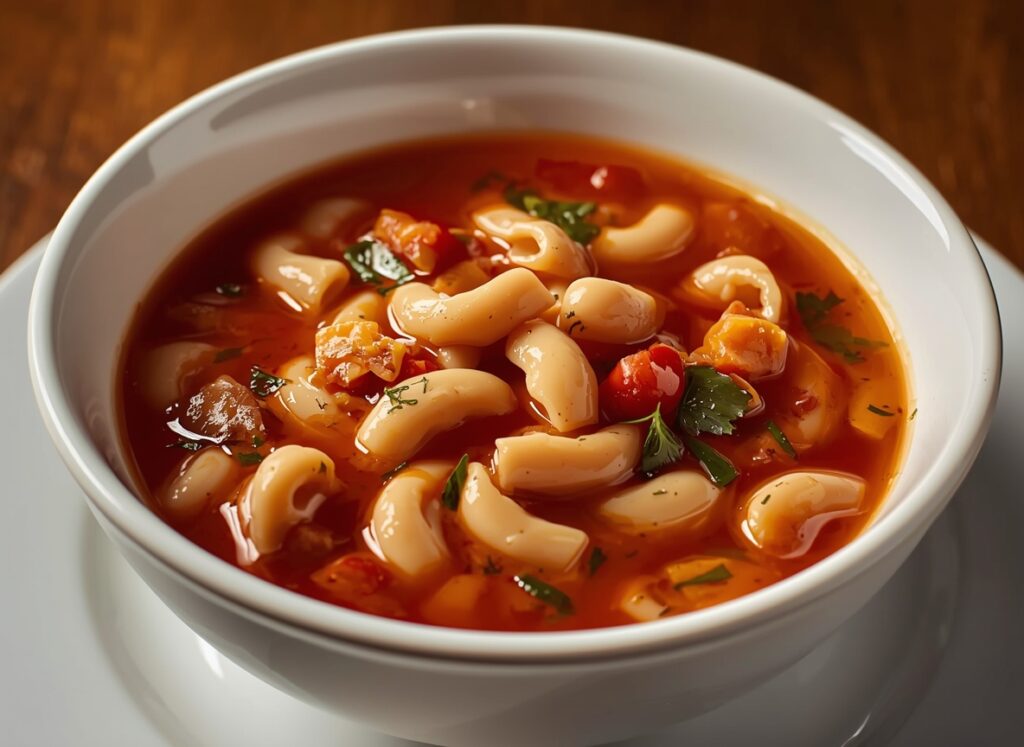
Pick ditalini pasta for authenticity. It’s short and tubular, perfect for scooping broth. Small elbows work too. Use 1 cup dry.
Add pasta in the last 8-10 minutes of simmering. Cook until just al dente. Overdone pasta turns mushy in leftovers.
To keep soup from thickening too much later, undercook slightly. It absorbs more liquid as it sits. Rinse pasta first if you pre-boil, but direct addition is easier.
Achieving Olive Garden’s Signature Texture and Finish
What sets Olive Garden’s version apart? That creamy, not-too-thick consistency. It’s hearty but not heavy. The trick lies in blending.
Pureeing part of the mix creates silkiness. Whole beans add bite. Balance is everything.
The Bean Puree Technique
After simmering but before pasta, scoop out 1-2 cups of beans and broth. Blend until smooth. A immersion blender saves dishes. Or use a regular one.
Stir the puree back in. Aim for one-third pureed to two-thirds whole. This gives velvety mouthfeel. Too much puree, and it tastes like bean dip.
Do this off heat to avoid splatters. It thickens the soup naturally. No need for cream.
Final Seasoning Adjustments and Acidity Balance
Taste the soup now. Add black pepper and a pinch of salt. The meat and broth bring most flavor.
Brighten it with acid. Stir in 1 teaspoon of red wine vinegar or balsamic at the end. It cuts richness without sourness.
This step mimics restaurant polish. Your homemade Pasta e Fagioli will pop with fresh notes.
Serving and Storing Your Homemade Pasta e Fagioli
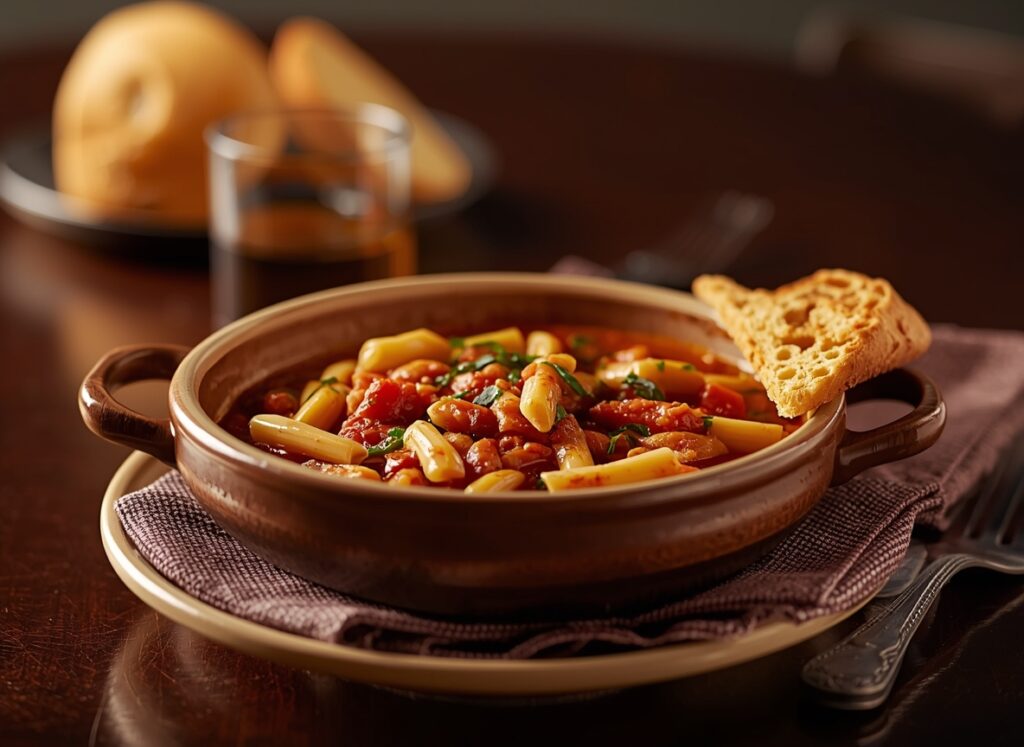
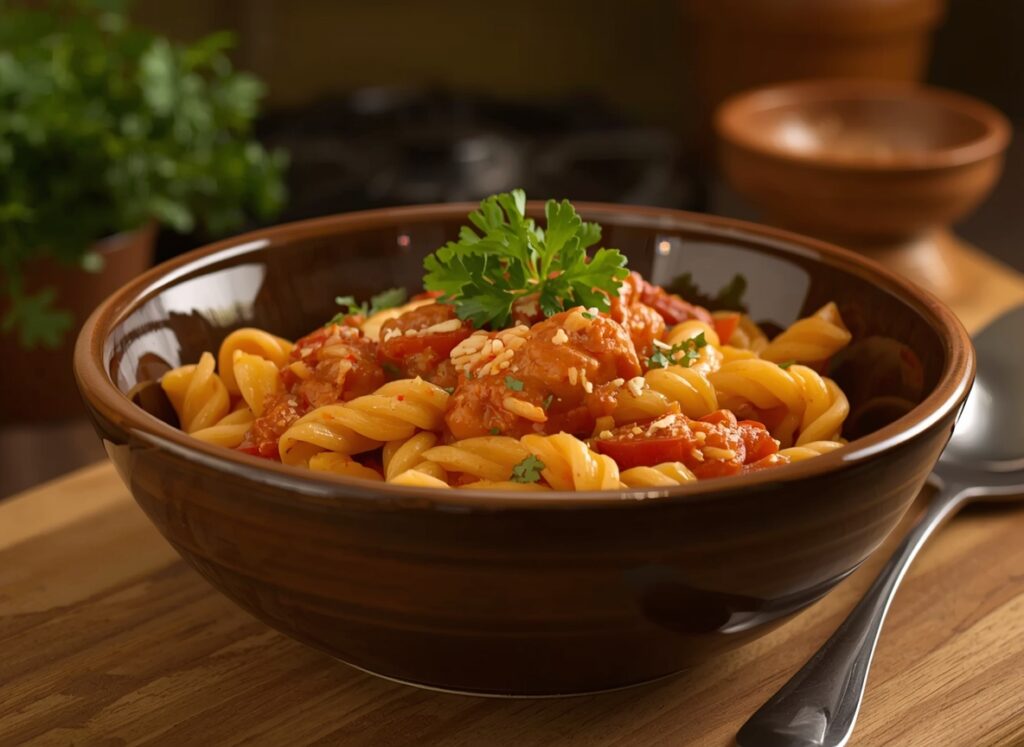
Serve hot in big bowls. Pair with crusty bread for dipping. It’s even better the next day as flavors deepen.
Presentation counts. A sprinkle of green lifts the look. Don’t skip it.
Garnishes That Matter: Toppings for Authenticity
Top with fresh grated Parmesan. It melts into the heat. Drizzle extra virgin olive oil for gloss.
Chop parsley for color and freshness. It adds a herbal kick. Skip dried versions; fresh is brighter.
When reheating, add a splash of broth. This thins it out. Stir gently to avoid breaking pasta.
Storage Guidelines for Optimal Freshness
Cool soup quickly after cooking. Portion into airtight containers. It lasts 3-4 days in the fridge.
Freeze in bags for up to 3 months. Thaw overnight before warming. Avoid multiple freezes.
Label with dates. This keeps things organized. Enjoy within a week for best taste.
Marry Me Chicken Pasta Recipe Delicious & Easy
Spicy Chipotle Chicken Pasta Recipe – Quick & Tasty
Easy Rotel Chicken Spaghetti Recipe (Creamy & Cheesy)
Grilled Chicken and Pasta Recipes – Easy & Delicious
FAQ – Olive Garden Pasta e Fagioli Recipe
1. What is Pasta e Fagioli?
Pasta e Fagioli is a classic Italian soup made with pasta, beans, vegetables, and a flavorful broth. The name literally means “pasta and beans.”
2. Can I use canned beans for this recipe?
Yes! Canned beans like cannellini or kidney beans work perfectly and save time. Just rinse them before adding to the soup.
3. Can I make this soup vegetarian?
Absolutely! Use vegetable broth instead of chicken broth and skip any meat. The flavors will still be rich and comforting.
4. What type of pasta is best for Pasta e Fagioli?
Small pasta shapes like ditalini, elbow macaroni, or small shells are ideal because they blend well with the beans and vegetables.
5. How can I thicken the soup if it’s too watery?
Simmer it a little longer uncovered, or mash some of the beans against the side of the pot to release their starch, which naturally thickens the soup.
6. Can I make this soup ahead of time?
Yes! Pasta e Fagioli tastes even better the next day as the flavors meld. Keep pasta separate if you plan to reheat, to prevent it from getting mushy.
7. What toppings go well with Pasta e Fagioli?
Top with freshly grated Parmesan cheese, chopped parsley, or a drizzle of olive oil for extra flavor.
8. Can I freeze Olive Garden-style Pasta e Fagioli?
Yes, but freeze the soup without the pasta for best results. Add fresh pasta when reheating to keep the texture perfect.
Conclusion: Your New Italian Kitchen Staple
Making Olive Garden Pasta e Fagioli at home is simple and fun. Start with a solid soffritto base. Simmer long for infused flavors. Puree some beans for that creamy texture.
This copycat recipe beats takeout every time. You control ingredients and portions. It’s fresher and cheaper too. Try it tonight. Your kitchen will smell like Italy. Share the bowl with loved ones. You’ve got this!

[…] best way to Make olive garden pasta e fagioli recipe at Home […]