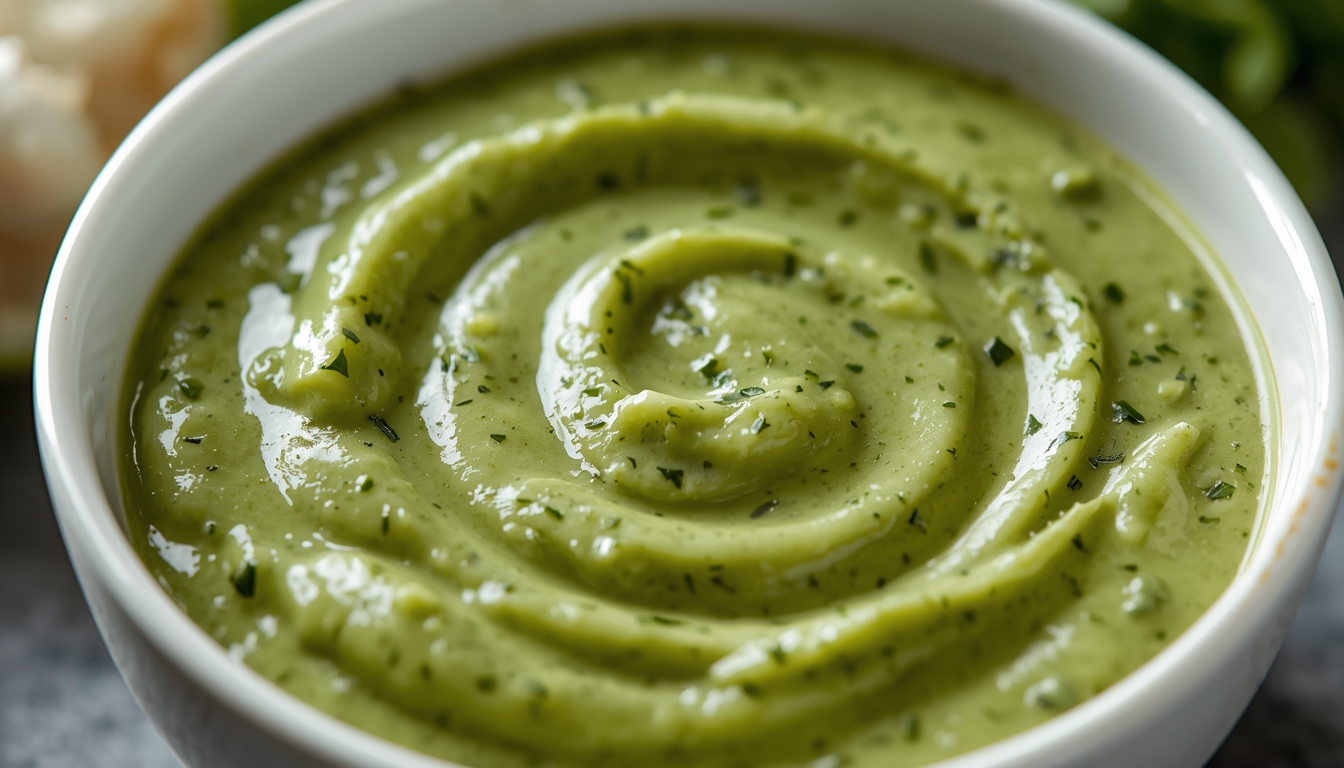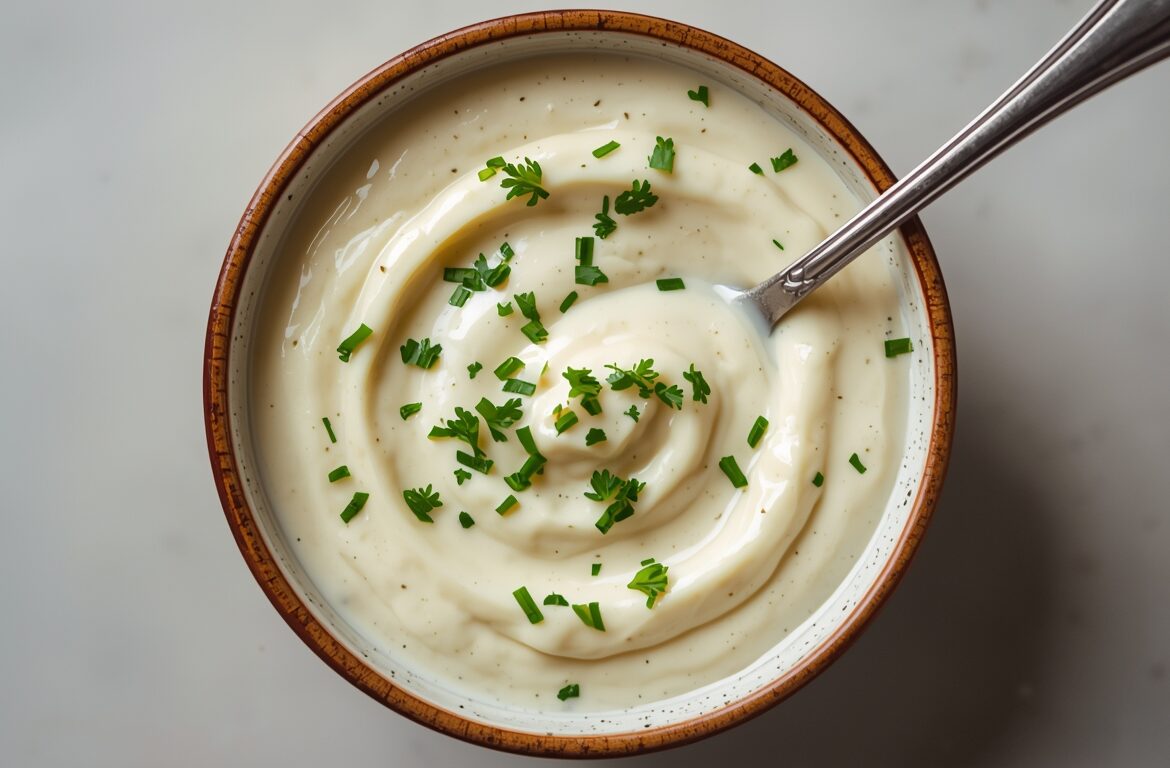
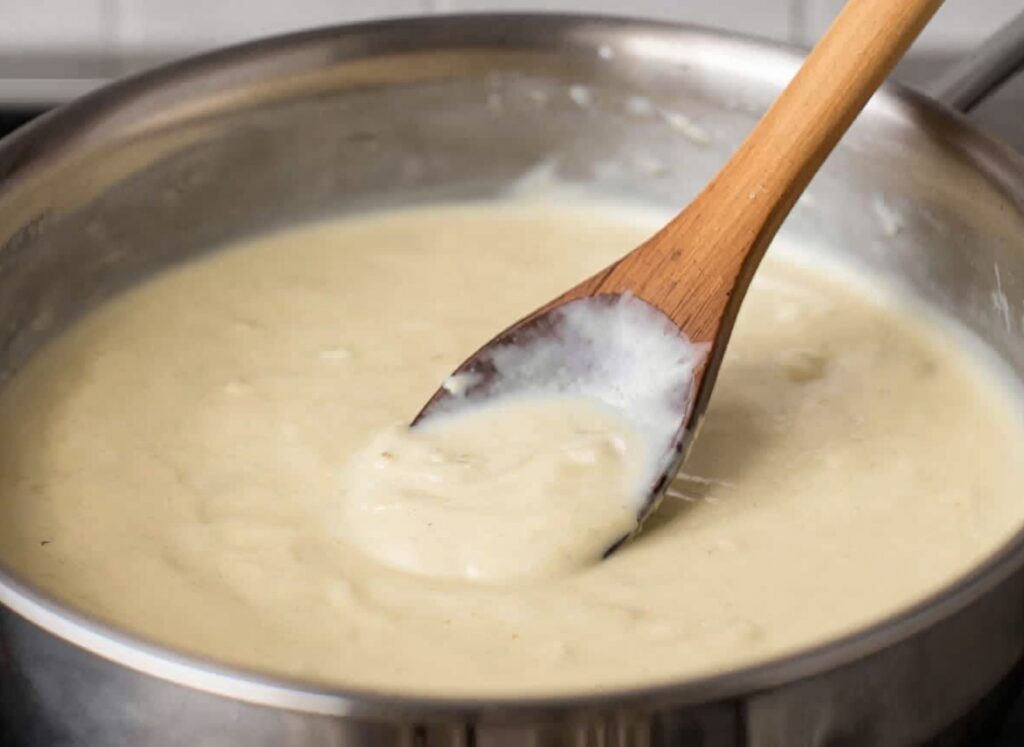
A masterfully prepared Parmesan Sauce Recipe is the backbone of countless classic Italian-American comfort dishes. This silky, ivory-colored sauce relies on the bold, nutty profile of aged Parmesan cheese to create a flavor that is both sharp and comforting. Unlike a basic white sauce, a true parmesan sauce has a complexity that comes from the slow melting of cheese into a perfectly emulsified base.
Mastering a homemade parmesan sauce allows you to move beyond the artificial flavors of jarred alternatives. By controlling the quality of the dairy and the age of the cheese, you can create a restaurant-quality glaze that clings perfectly to pasta, vegetables, or proteins. This guide will focus on the technical nuances of heat management and whisking to ensure your sauce remains stable and velvety every time.
Why Everyone Loves This Dish
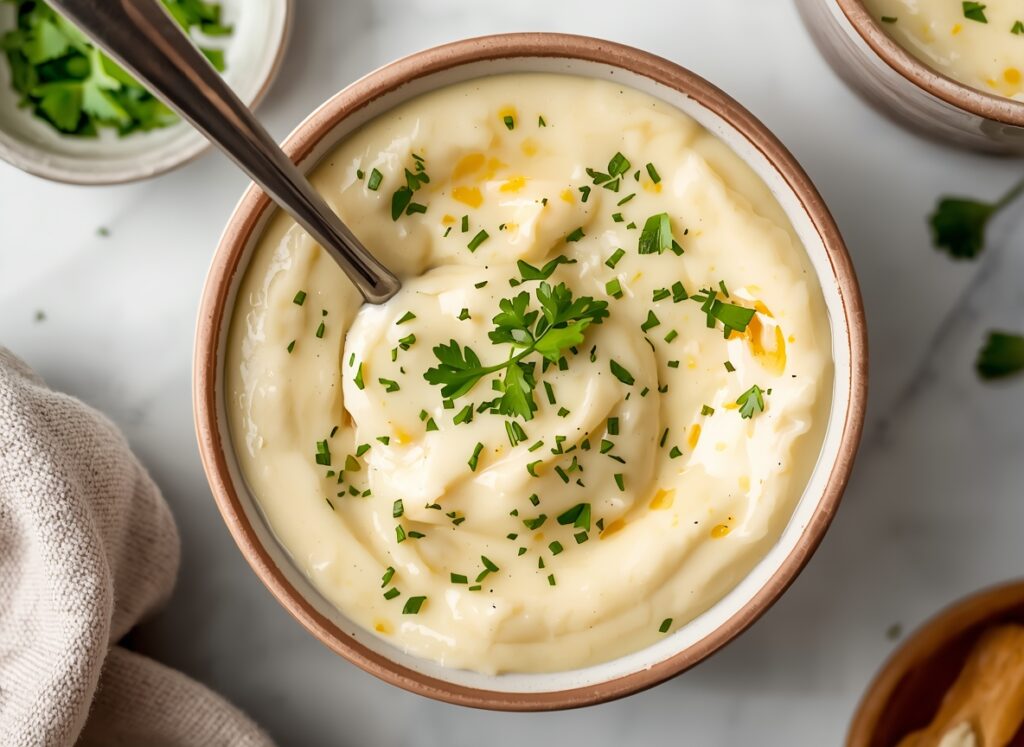
The primary reason this easy parmesan sauce recipe is a fan favorite is its incredible versatility. It occupies the middle ground between a heavy Alfredo and a lighter Béchamel, offering enough richness to satisfy cravings without overwhelming the palate. The saltiness of the Parmesan provides a natural flavor enhancer, making even simple steamed broccoli or plain fettuccine feel like a gourmet indulgence.
Furthermore, this sauce is a “mother sauce” variation that acts as a foundation for culinary creativity. Once you understand the mechanics of this recipe, you can easily transform it into a garlic-heavy sauce, a spicy peppercorn blend, or a bright herb-infused topping. It is a reliable, quick-cooking staple that elevates any meal with minimal effort.
Ingredients Breakdown (With Tips)
To achieve the perfect consistency in your Parmesan Sauce Recipe, the quality of your fats and solids is paramount.
- Aged Parmesan Cheese: For the best results, use Parmigiano-Reggiano. It melts more smoothly than pre-shredded varieties, which are often coated in anti-caking starches that can lead to a grainy texture.
- Heavy Cream or Whole Milk: Heavy cream provides the most luxurious mouthfeel and is more stable under heat. If using milk, you will need a small amount of flour to ensure thickening.
- Unsalted Butter: This provides the fat base for the aromatics. Using unsalted butter allows you to control the final salt level, which is important since the cheese itself is quite salty.
- Fresh Garlic: Minced garlic should be sautéed just until fragrant. Avoid browning it, as burnt garlic will turn the sauce bitter.
- Nutmeg and Black Pepper: A tiny pinch of freshly grated nutmeg is the “secret” to professional cream sauces; it enhances the dairy notes without tasting like spice.
Substitute Options for Missing Ingredients
If you are missing a few items for your homemade parmesan sauce, these professional-grade swaps will keep your dinner on track:
- Dairy-Free: You can use full-fat canned coconut milk or unsweetened cashew cream paired with nutritional yeast to mimic the cheesy flavor.
- The Cheese: If you run out of Parmesan, Pecorino Romano is an excellent substitute, though it is saltier and tangier. Grana Padano is another milder, smooth-melting alternative.
- Thickening Agents: If you prefer not to use a roux (flour and butter), you can reduce heavy cream by half over low heat to achieve a natural, gluten-free thickness.
Must-Have Kitchen Tools
- Heavy-Bottomed Saucepan: This is vital for even heat distribution. Thin pans have “hot spots” that can cause the dairy to scorch on the bottom.
- Fine Wire Whisk: Essential for emulsifying the cheese into the liquid and ensuring no lumps of flour or cheese remain.
- Microplane or Fine Grater: For shredding your Parmesan. The finer the cheese is grated, the faster and more evenly it will melt into the sauce.
- Silicone Spatula: Use this to scrape the sides and bottom of the pan to prevent a “film” from forming during the reduction process.
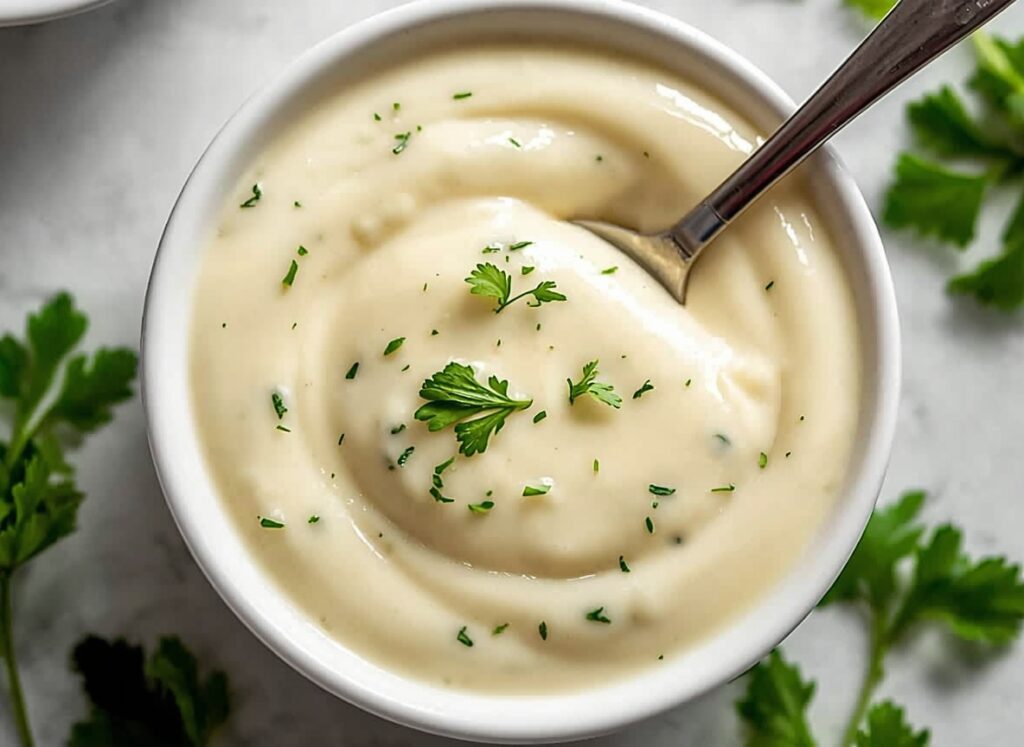
Quick Prep & Cooking Schedule
- Prep Time: 10 minutes (grating cheese and mincing garlic).
- Cook Time: 10–12 minutes.
- Total Time: Approximately 22 minutes.
- Yield: Approximately 2 cups of sauce.
How to Cook Parmesan Sauce Recipe Step by Step
1. Sauté the Aromatics
Melt 2 tablespoons of butter in a saucepan over medium-low heat. Add 2 cloves of minced garlic and sauté for 60 seconds until fragrant. Do not let the garlic change color.
2. Create the Base
If you are using milk, whisk in 1 tablespoon of flour and cook for 1 minute to create a light roux. If using heavy cream, skip the flour and pour in 1.5 cups of cream directly into the butter and garlic.
3. Simmer and Reduce
Bring the liquid to a very gentle simmer. Do not let it reach a rolling boil. Allow the sauce to simmer for 3–5 minutes, stirring frequently, until it has thickened enough to coat the back of a spoon.
4. Temper the Cheese
Lower the heat to the lowest setting. Add 1 cup of finely grated Parmesan cheese one handful at a time. Whisk constantly in a figure-eight motion until each addition is completely melted before adding the next.
5. Season and Finish
Remove from heat. Stir in a pinch of black pepper and a tiny grating of nutmeg. Taste before adding any extra salt, as the cheese usually provides sufficient sodium.
Mistakes That Can Ruin Parmesan Sauce Recipe
- High Heat: The most common error is adding cheese to boiling liquid. This causes the proteins in the cheese to clump and the fats to separate, resulting in an oily, grainy sauce. Always add cheese over low or residual heat.
- Using Pre-Shredded Cheese: These products contain potato starch or cellulose to prevent sticking in the bag. These additives will prevent your sauce from reaching a perfectly smooth, “glassy” finish.
- Boiling After Adding Cheese: Once the Parmesan is incorporated, never bring the sauce back to a boil, or it will break.
Expert Tips for Extra Stickiness
In the context of a Parmesan Sauce Recipe, “stickiness” refers to the sauce’s ability to cling to the pasta rather than pooling at the bottom of the bowl. This is technically known as “sauce adhesion.”
To achieve a sauce that hugs your pasta, always reserve a half-cup of your starchy pasta cooking water. When you combine the pasta and sauce, add a splash of this water. The starches act as a bridge, binding the fats in the sauce to the carbohydrates in the pasta, resulting in a perfectly coated bite.
Serving Ideas & Pairings
This easy parmesan sauce recipe is a versatile workhorse in the kitchen.
- The Classic Fettuccine: Toss with long noodles and top with grilled chicken or sautéed shrimp.
- Vegetable Glaze: Drizzle over roasted asparagus, steamed cauliflower, or Brussels sprouts.
- Pizza White Base: Use this instead of tomato sauce for a gourmet white pizza topped with spinach and mushrooms.
- Steak Topping: Add a tablespoon of cracked black pepper to the sauce and serve it over a seared ribeye.
Nutritional Value Overview
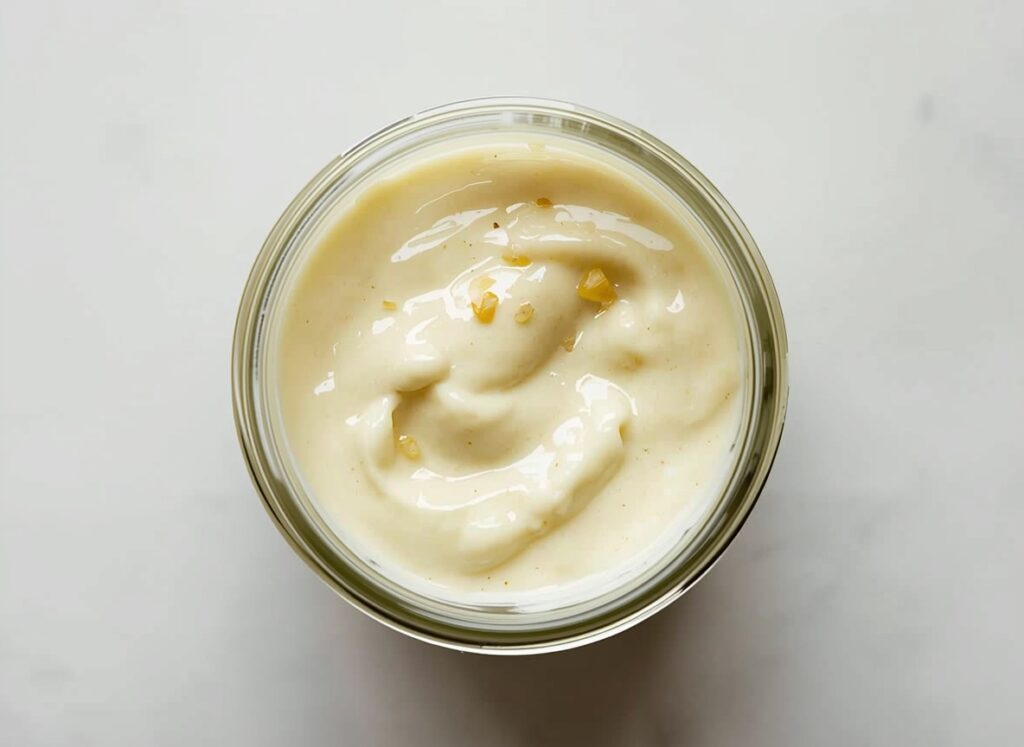
While a parmesan sauce is an indulgent addition to a meal, it provides a high concentration of calcium and Vitamin A from the dairy and aged cheese. Using high-quality, grass-fed butter or cream can also provide healthy fatty acids. To balance the nutritional profile, serve the sauce over whole-wheat pasta or as a dip for nutrient-dense vegetables.
Calories, Protein & Carbs
(Per 1/4 cup serving)
| Nutrient | Amount |
| Calories | 210 kcal |
| Protein | 6g |
| Total Fat | 19g |
| Total Carbs | 3g |
| Calcium | 15% DV |
Make-Ahead & Storage Advice
- Refrigeration: Store any leftover homemade parmesan sauce in a glass airtight container for up to 4 days. A skin may form on the top; simply stir it back in during the reheating process.
- Freezing: We do not recommend freezing cream-based cheese sauces. The emulsion often breaks during the thawing process, resulting in a watery, separated texture that is difficult to fix.
Reheating Tips for Best Texture
Reheating is the stage where most people ruin their parmesan sauce.
- Stovetop (Best): Place the sauce in a small pan over very low heat. Add a splash of milk or water to loosen the proteins. Whisk constantly as it warms.
- Microwave: If you must use a microwave, use 50% power in 20-second intervals. Stir vigorously between each interval to prevent hot spots from breaking the sauce.
FAQs About Parmesan Sauce Recipe
Q: Why is my sauce grainy?
A: Graininess usually occurs because the cheese was added to a liquid that was too hot, or because you used pre-shredded cheese. Next time, turn the heat down and use freshly grated Parmesan.
Q: Can I make this sauce thicker?
A: Yes. You can either simmer the cream for a few extra minutes to reduce the water content further or add an extra handful of cheese.
Q: Is parmesan sauce the same as Alfredo?
A: Traditional Italian Alfredo is just butter, Parmesan, and pasta water. This Parmesan Sauce Recipe is an American-style variation that uses cream or milk to create a more stable, pourable sauce suitable for a wider variety of dishes.
Q: How do I fix a broken sauce?
A: If the oil has separated, remove it from the heat and whisk in a tablespoon of very hot water or an extra splash of room-temperature cream. The sudden change in temperature and additional liquid can sometimes help re-emulsify the fats.
Easy Thai Peanut Sauce Recipe – Creamy & Flavorful
Authentic Béarnaise Sauce Recipe Made Simple
The Best Easy Alfredo Sauce Recipe for Pasta Nights
Easy Bordelaise Sauce Recipe for Steak & Meats
The Best Mornay Sauce Recipe for Pasta & Veggies
Quick & Flavorful Potsticker Sauce Recipe – Step-by-Step