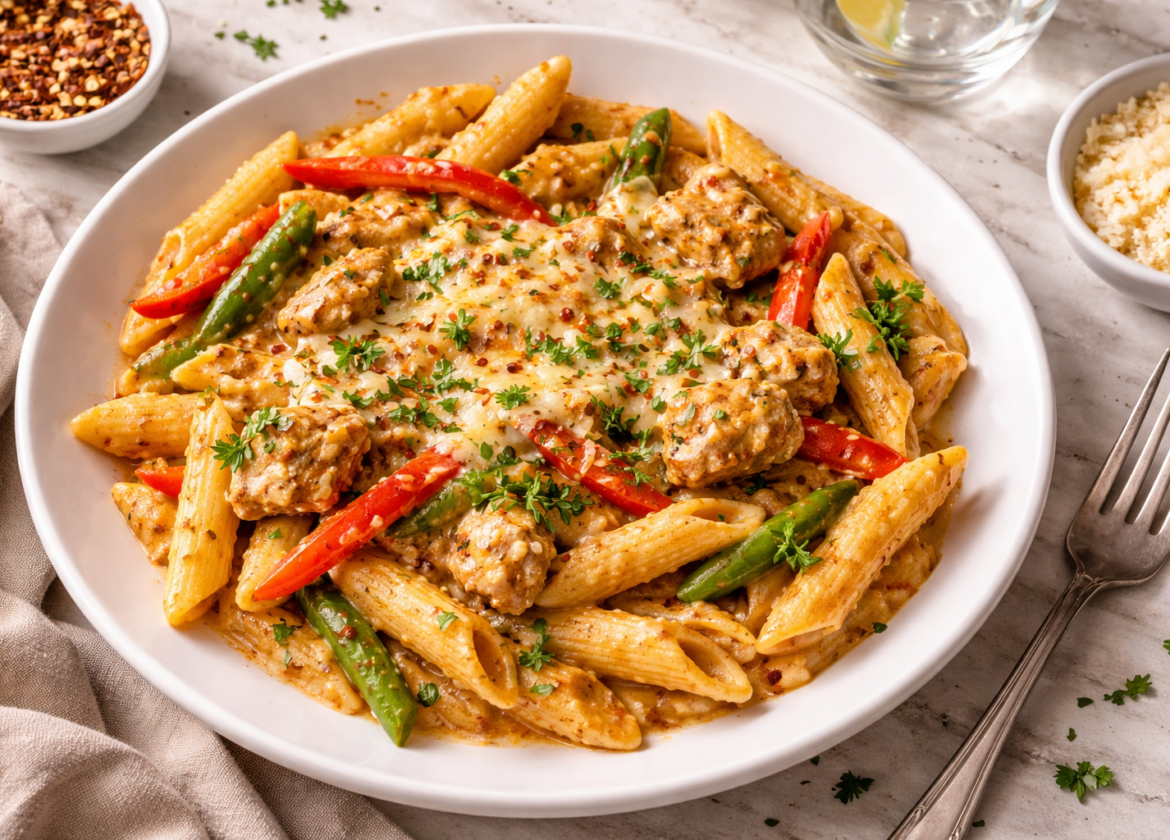
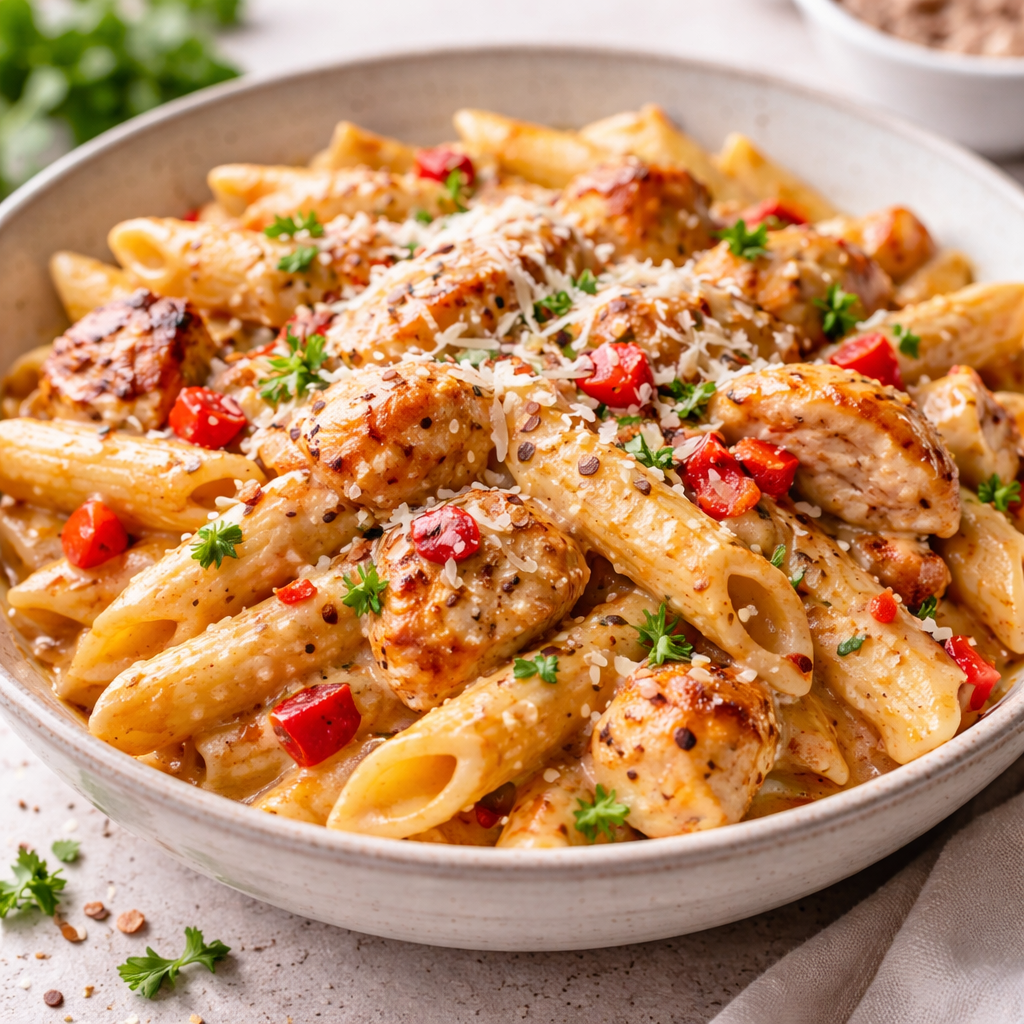
If you have ever spent time scanning the menus of popular American-Southwest fusion restaurants, you have likely encountered the legend of the Rattlesnake Pasta. Despite the provocative name, there is no actual reptile involved. Instead, the name refers to the “bite” of the heat provided by jalapeños and the winding, snake-like shape of the pasta noodles—usually linguine or fettuccine.
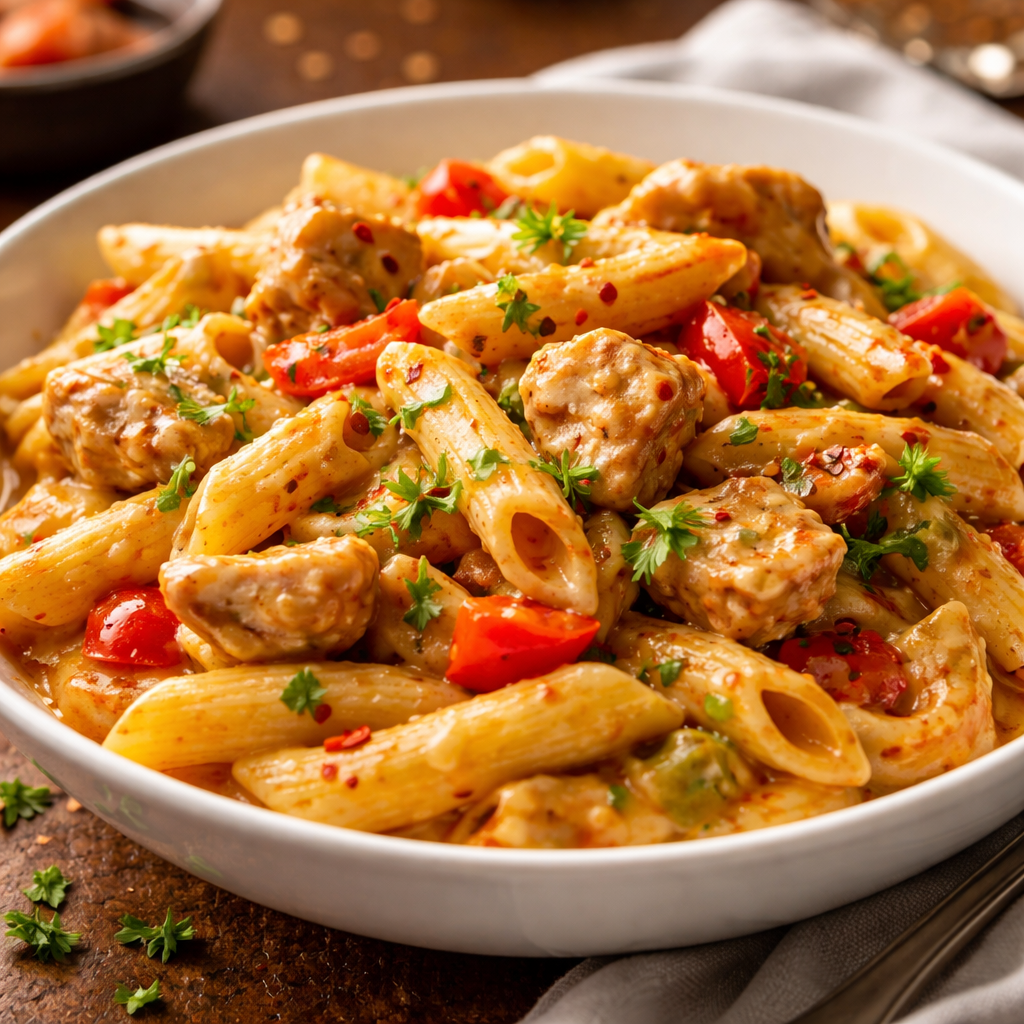
At its core, a Rattlesnake Pasta Recipe is a decadent, spicy chicken alfredo variation that swaps traditional Italian subtleties for bold, assertive flavors. The challenge for most home cooks is achieving that signature “creamy but spicy” balance without the sauce breaking or the chicken becoming dry. This approach focuses on building a stable emulsion where the fat of the cream and the acidity of the lime and peppers coexist perfectly. When done correctly, it is a restaurant-quality meal that delivers comfort and excitement in equal measure.
What Makes This Method Worth Using
Most amateur versions of this dish fail because they simply toss peppers into a standard white sauce. This method is different because it utilizes staged flavor layering. We aren’t just adding heat; we are building a profile that includes smokiness, tang, and richness.
The primary reason this specific Rattlesnake Pasta Recipe is worth your time is its focus on the “fond”—those browned bits of chicken and spice left on the bottom of the pan. By deglazing the pan with aromatics and peppers, we incorporate the chicken’s savory essence directly into the cream base. This results in a cohesive flavor where the spice feels integrated rather than like an afterthought. Additionally, by using a specific ratio of heavy cream to Parmesan, we ensure the sauce stays thick enough to cling to the noodles without becoming oily or clumping as it cools.
Ingredient Choices That Improve Results
Success in a Rattlesnake Pasta Recipe is dictated by the chemical properties of your ingredients. Substituting the wrong items can lead to a sauce that separates or tastes flat.
The Protein: Chicken Breast vs. Thighs
While many recipes call for chicken breast, I recommend boneless, skinless chicken thighs if you are looking for maximum juiciness. However, if you prefer breast meat, ensure you slice it thinly and sear it quickly over high heat to prevent it from turning rubbery.
The “Bite”: Jalapeños and Bell Peppers
For the authentic look and taste, you need a mix of diced jalapeños and colorful bell peppers. Bold Tip: To control the heat, remove the white pith and seeds from the jalapeños. If you want a more “rattlesnake” kick, keep the seeds in or add a pinch of cayenne pepper to the seasoning blend.
The Liquid Gold: Heavy Cream
Do not attempt this with half-and-half or milk. The acidity of the lime juice and jalapeños will curdle lower-fat milks. Heavy whipping cream has the fat content necessary to remain stable when mixed with acidic components.
The Pasta
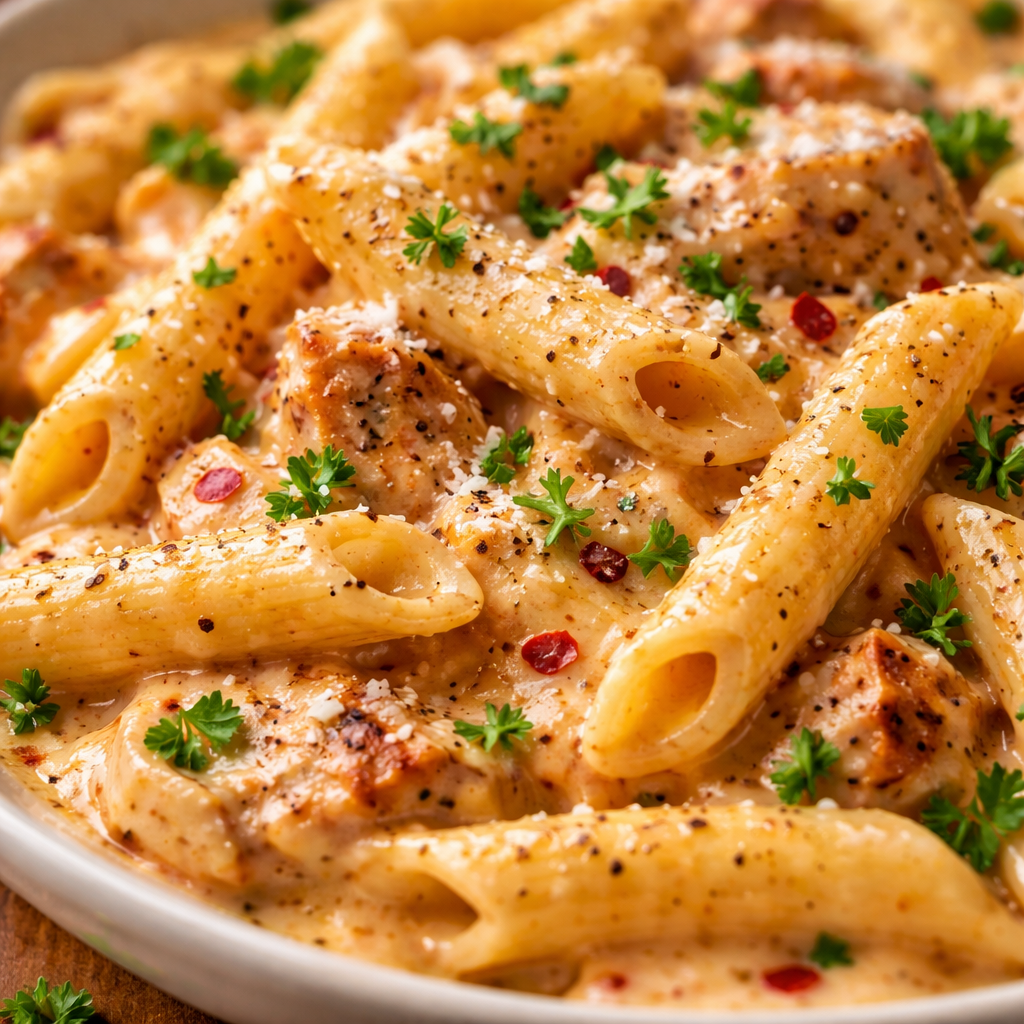
Linguine is the classic choice, but Fusilli or Cavatappi (corkscrew shapes) are excellent alternatives because their grooves catch the spicy cream sauce, ensuring every bite is fully coated.
Tools That Support Consistent Cooking
You do not need an industrial kitchen, but three specific tools make a Rattlesnake Pasta Recipe significantly easier to manage.
- A Wide, Deep Sauté Pan: You need a pan that can accommodate both the sauce and the pound of pasta. A 12-inch sauté pan with high sides allows you to toss the noodles vigorously without splashing cream over the edges.
- Fine-Mesh Sieve or Colander: For draining the pasta. Bold Tip: Never rinse your pasta. The surface starch is what helps the rattlesnake sauce “stick” to the noodles.
- A Microplane or Fine Grater: Freshly grated Parmesan cheese melts much more smoothly than the pre-shredded stuff in a bag, which is often coated in potato starch to prevent clumping.
Timing Strategy for Best Texture
The most common mistake in making a Rattlesnake Pasta Recipe is “dead time”—waiting for the pasta to boil while the sauce is already finished. This leads to a thickened, clumpy sauce.
- The Parallel Track: Start your pasta water first. Once it reaches a boil and the noodles go in, you should immediately start searing your chicken.
- The 2-Minute Rule: You want the pasta to finish cooking roughly two minutes before it reaches the “perfect” al dente stage. It will finish cooking inside the hot sauce, absorbing the cream and flavor.
- The Resting Window: Allow the finished dish to sit for exactly three minutes before serving. This “sets” the sauce and allows the flavors to meld.
Step-by-Step Rattlesnake Pasta Recipe (Naturally Written)
1. Searing the Chicken
Dice 1 lb of chicken into bite-sized pieces. Season heavily with salt, pepper, garlic powder, and a dash of cumin. Heat a tablespoon of oil in your sauté pan over medium-high heat. Sear the chicken until it has a golden-brown crust. Remove the chicken from the pan and set it aside; don’t worry if it isn’t 100% cooked through yet.
2. The Vegetable Base
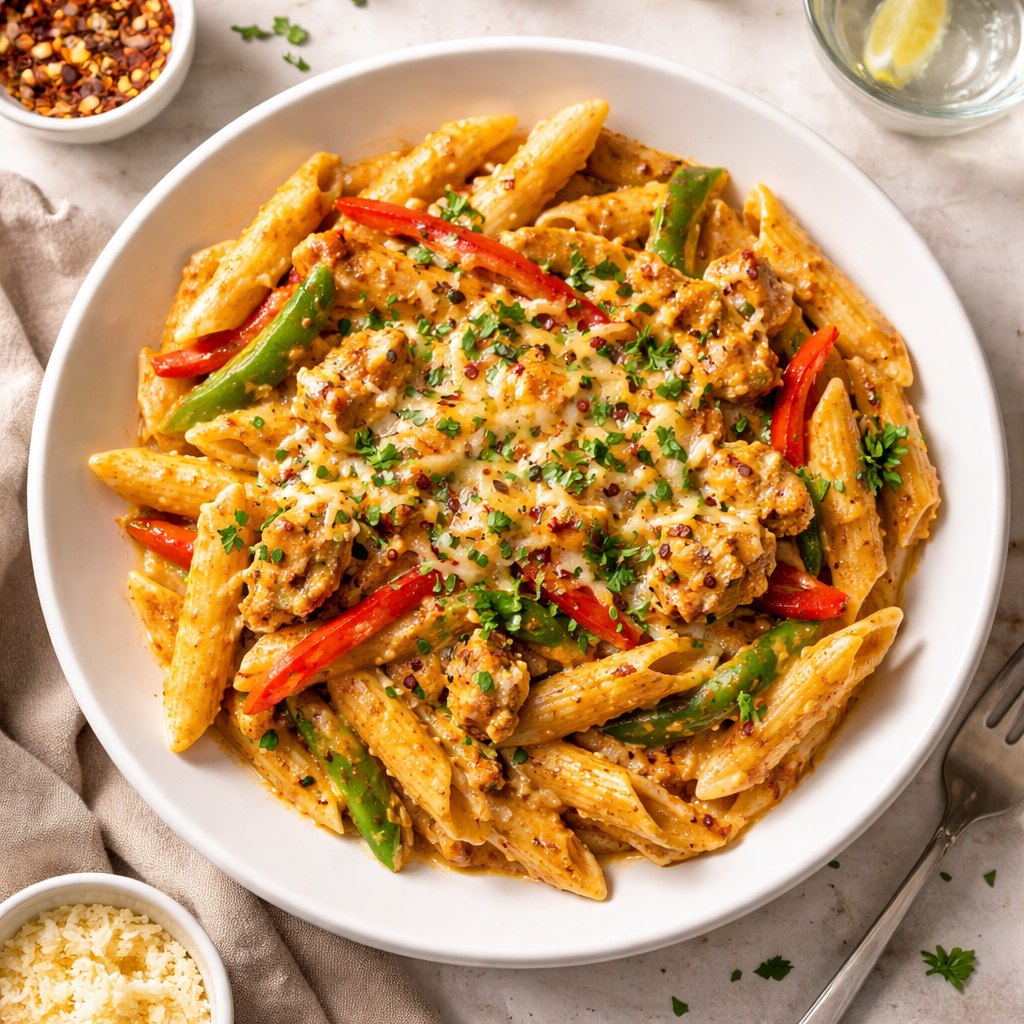
In the same pan, add another teaspoon of oil if needed. Toss in one diced bell pepper, two minced jalapeños, and half a diced yellow onion. Sauté for about 5 minutes until the vegetables are soft and the edges are slightly charred. Add three cloves of minced garlic in the last 60 seconds.
3. Deglazing and Reducing
Pour 1.5 cups of heavy cream into the pan. Use your spatula to scrape up all the browned bits from the chicken. Bring the cream to a gentle simmer. Do not let it reach a rolling boil.
4. The Emulsion
Stir in 3/4 cup of freshly grated Parmesan cheese. Whisk or stir constantly until the cheese is melted and the sauce begins to thicken. Stir in the juice of half a lime. The lime juice brightens the sauce and cuts through the heavy fat of the cream.
5. Recombining
Add the chicken and any accumulated juices back into the sauce. Then, using tongs, transfer the linguine directly from the boiling water into the sauté pan.
6. The Final Toss
Toss everything together over low heat for 2 minutes. If the sauce becomes too thick, add a ladle of the starchy pasta water to thin it out. The starch in the water will keep the sauce glossy. Serve immediately with fresh cilantro or parsley on top.
Common Cooking Problems and Solutions
Even if you follow a Rattlesnake Pasta Recipe to the letter, variables like humidity or stovetop power can cause issues. Here is how to fix them.
- Problem: The sauce is “broken” or oily.
- The Fix: This usually happens when the heat is too high or you use pre-shredded cheese. To save it, add two tablespoons of hot pasta water and whisk vigorously off the heat. The starch in the water can help pull the emulsion back together.
- Problem: The pasta is gummy.
- The Fix: This is a sign of overcooking the noodles before adding them to the sauce. Always pull the pasta out of the water when it still has a “bite” in the center.
- Problem: It’s not spicy enough.
- The Fix: If the jalapeños were mild, you can stir in a teaspoon of red pepper flakes or a dash of hot sauce at the very end. The lime juice can sometimes mask the heat, so taste as you go.
- Problem: The chicken is dry.
- The Fix: You likely seared it for too long. In your next batch, remember that the chicken continues to cook once it’s returned to the simmering cream sauce.
FAQ Based on Real User Questions
Can I make this Rattlesnake Pasta Recipe vegetarian?
Absolutely. This dish is excellent with sautéed mushrooms or zucchini substituted for the chicken. The mushrooms provide a similar “meaty” texture and absorb the spicy cream sauce beautifully.
Is this recipe the same as the one from J. Alexander’s or Cafe 501?
This is a “copycat” style approach. While those restaurants have their secret spice blends, this version captures the essential creamy-lime-jalapeño profile that made those dishes famous.
Can I use milk instead of heavy cream?
It is not recommended. If you use milk, you will need to create a “roux” (butter and flour) to thicken it. However, the lime juice will likely cause the milk to grain up or separate. Heavy cream is the most reliable path for this specific flavor profile.
How do I store and reheat leftovers?
Cream sauces are notoriously difficult to reheat. The best way is to put the pasta in a pan with a splash of milk or water over low heat. Stir constantly as it warms to prevent the oil from separating. Avoid the microwave if possible, as it tends to make the chicken rubbery and the sauce greasy.
What should I serve with Rattlesnake Pasta?
Because the dish is so rich and spicy, it pairs best with a clean, crisp side. A simple green salad with a vinaigrette or roasted asparagus works perfectly to balance the palate.
Quick & Flavorful Elote Pasta Salad Recipe
Quick & Delicious Chicken Fajita Pasta recipe Family Favorite
best way to Make olive garden pasta e fagioli recipe at Home
Boursin Cheese Pasta Recipes – Creamy, Easy & Flavorful
Semolina Pasta Recipe – Simple, Homemade & Delicious