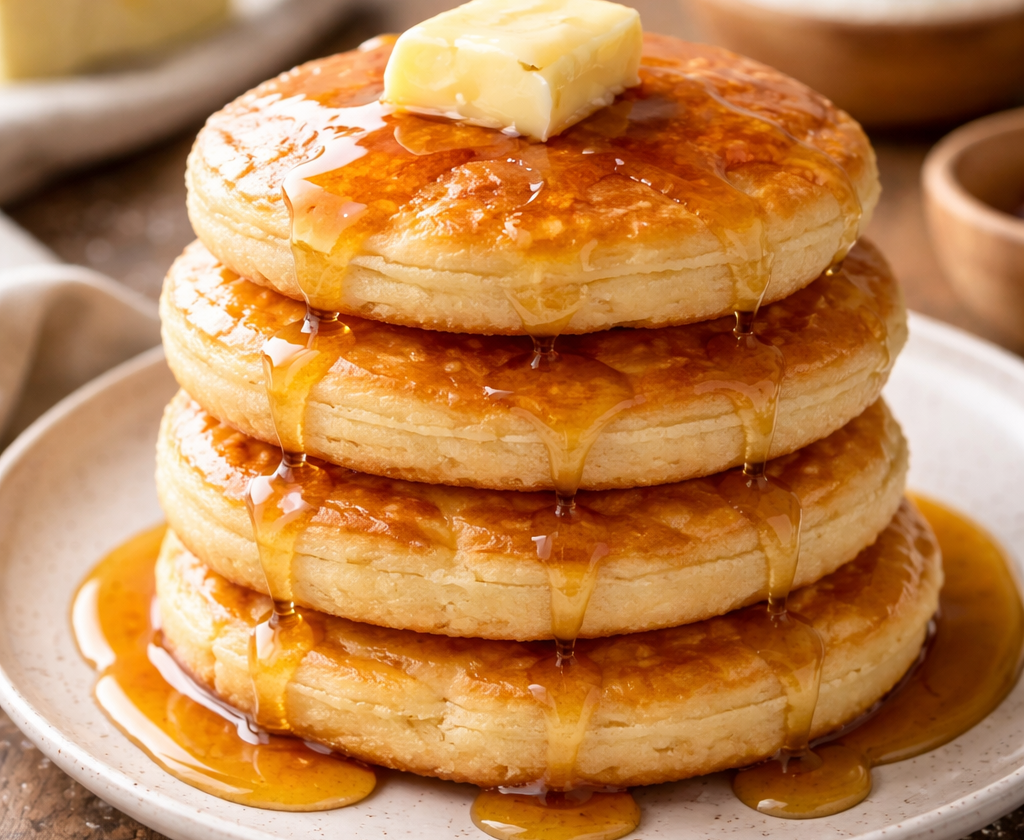
When attempting a traditional Recipe for Johnny Cakes, many home cooks encounter a frustrating gap between the simplicity of the ingredients and the difficulty of the execution. Historically, these cornmeal flatbreads—also known as journey cakes—were designed to be rugged and portable. However, in a modern kitchen, the most frequent complaint is a texture that is either too gritty, excessively dry, or prone to falling apart in the pan.
The primary hurdle lies in the nature of cornmeal itself. Unlike wheat flour, cornmeal lacks gluten, which means it has no inherent “elasticity” to hold the cake together. If the hydration process is rushed, the result is a sandy mouthfeel. Conversely, if the heat is not managed precisely, the exterior burns before the dense interior has a chance to set. Understanding these structural challenges is the first step toward mastering the Recipe for Johnny Cakes.
Why This Recipe Solves These Problems
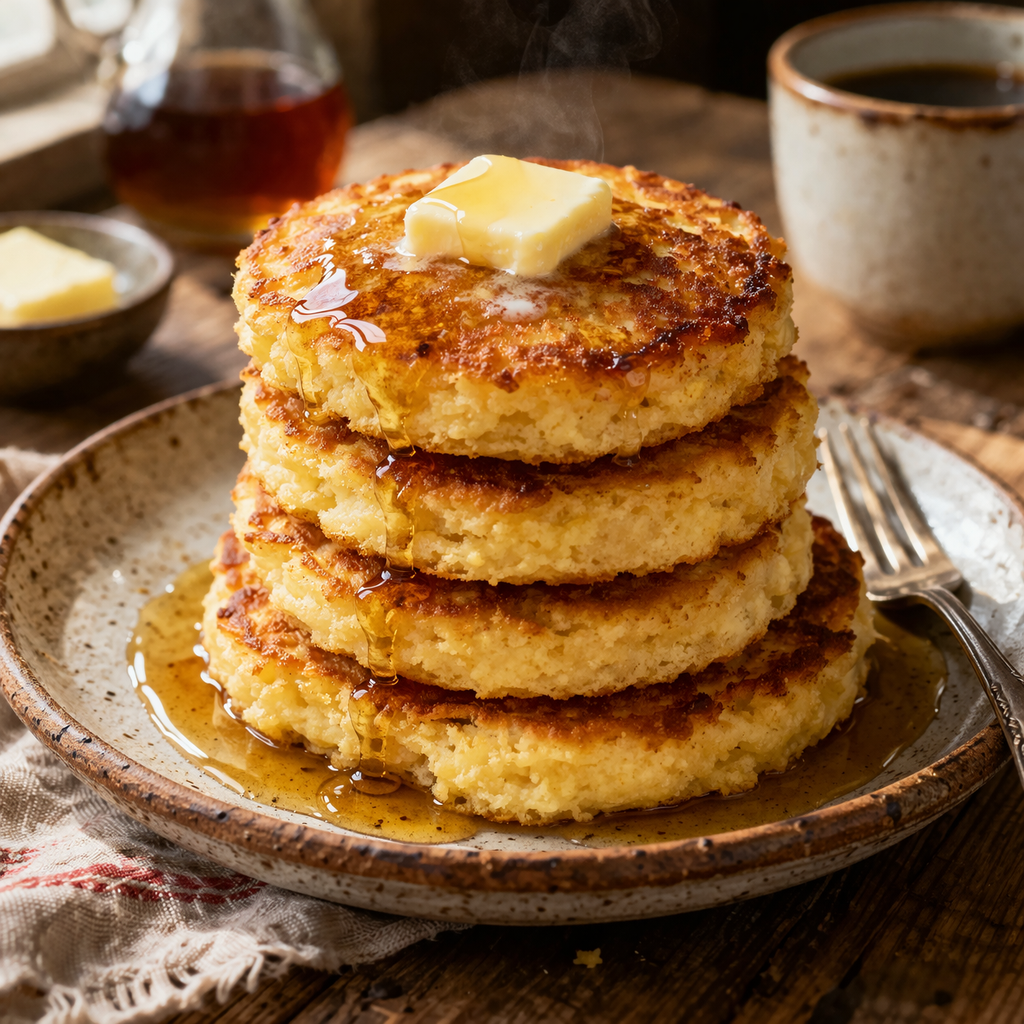
The solution to the “gritty” or “fragile” Johnny Cake is found in a specific technical approach known as the boiling water method. By scalding the cornmeal before it ever hits the frying pan, you initiate a process of starch gelatinization. This softens the individual granules and creates a cohesive “dough” that is much easier to manage.
This refined Recipe for Johnny Cakes solves three major issues:
- Structural Integrity: Scalding the meal creates a natural binder, reducing the need for excessive additives.
- Textural Refinement: The pre-hydration period ensures the center of the cake is creamy and tender, providing a stark, pleasant contrast to the crispy edges.
- Consistent Browning: By stabilizing the moisture content, the cakes cook more evenly, allowing for a deep golden crust without the risk of a raw middle.
Ingredient Handling for Better Control
Success starts with selecting the correct raw materials. A Recipe for Johnny Cakes is only as good as the cornmeal you provide.
The Cornmeal Selection
For an authentic result, seek out stone-ground white cornmeal. White cornmeal traditionally offers a more delicate, floral flavor than yellow varieties. Stone-ground meal is essential because it retains the germ and the hull, providing a superior flavor profile. Avoid “de-germinated” cornmeal if possible, as it lacks the character required for a stand-alone flatbread.
The Liquid Ratio
While many traditionalists use only water, substituting a portion of the liquid with whole milk or buttermilk can improve the browning process (due to the sugars in the milk) and add a richer depth of flavor. However, the liquid must be at a full rolling boil when it meets the cornmeal to ensure the starches react correctly.
Seasoning Balance
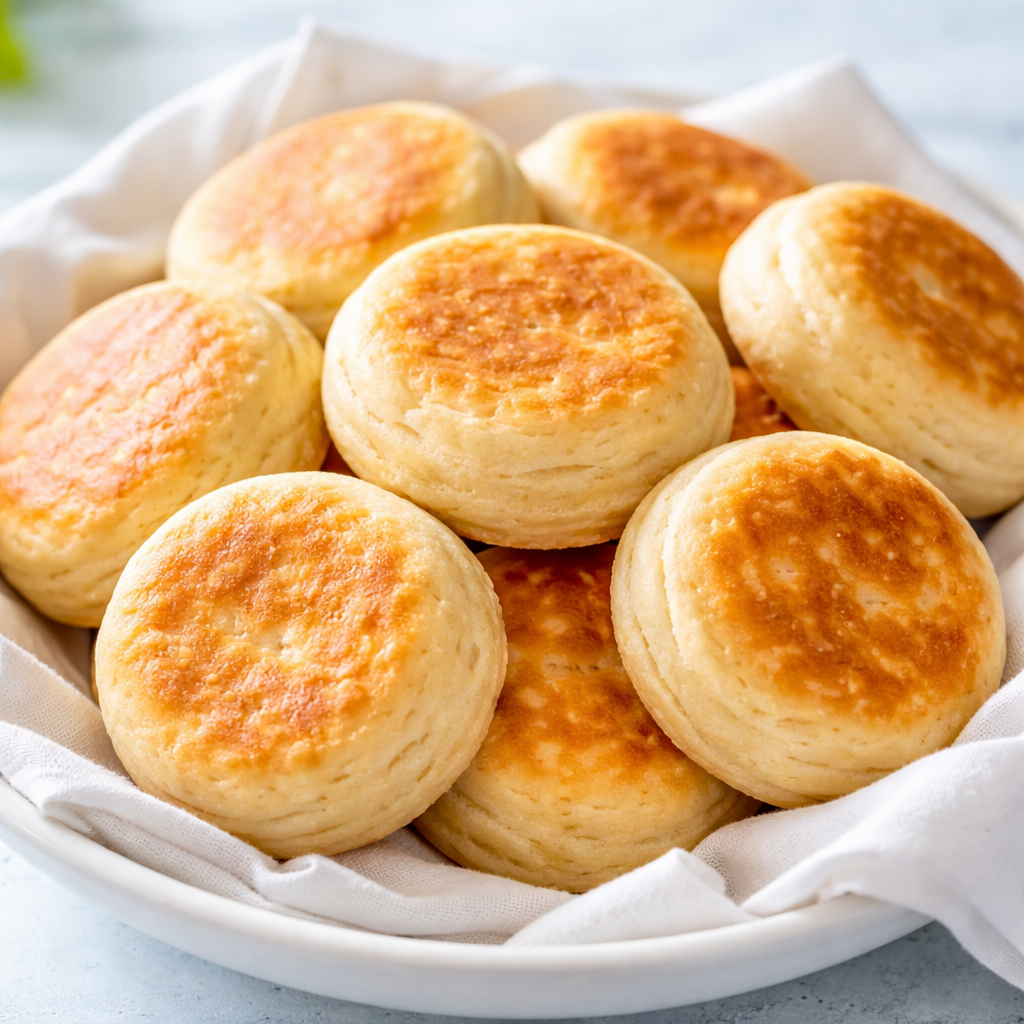
Because cornmeal is naturally sweet, a precise amount of fine sea salt is required to provide contrast. A small amount of melted butter or bacon fat added directly to the batter can also help keep the interior moist during the high-heat frying process.
Equipment Choices That Reduce Errors
The physical environment of your kitchen significantly impacts the outcome of a Recipe for Johnny Cakes.
- Cast Iron Skillet: This is the preferred tool. Cast iron provides high thermal mass, meaning the temperature won’t drop significantly when you add the cold batter. This leads to a superior, even crust.
- Stainless Steel Mixing Bowl: You will be pouring boiling water into this bowl, so avoid plastic, which can warp or leach chemicals under high heat.
- Flat-Edged Metal Spatula: A thin, sturdy spatula is necessary to get under the cakes. Because they can be delicate when hot, a thick plastic spatula may cause them to crumble.
- Digital Scale: Measuring cornmeal by volume (cups) is notoriously inaccurate. A scale ensures the hydration ratio is perfect every time.
Preventive Planning Before Cooking
Before you ignite the burner, you must account for the “Resting Phase.” A common error in the Recipe for Johnny Cakes is frying the batter immediately after mixing.
- Hydration Window (10 Minutes): After mixing the boiling water and cornmeal, the batter must sit. This allows the cornmeal to fully absorb the moisture. If you skip this, the steam will escape too quickly in the pan, leaving the cake dry.
- Temperature Calibration: Preheat your skillet on medium-low for at least five minutes. You want a steady heat. If the pan is “screaming hot,” the outside of the cake will carbonize before the starches inside have gelatinized.
- Testing the Batter: The consistency should be similar to a thick mashed potato, but slightly more fluid. If it is too stiff, the cakes will be heavy; if too thin, they will spread and break.
Executing the Recipe for Johnny Cakes
1. Scalding the Meal
Whisk together 1 cup (approx. 140g) of stone-ground white cornmeal, 1 teaspoon of sugar (optional, for browning), and 1/2 teaspoon of salt in a heat-proof bowl. Pour 1 cup of boiling water over the mixture. Stir vigorously until a thick paste forms.
2. The Rest
Let the mixture sit for 10 minutes. During this time, the cornmeal will soften. After the rest, stir in 2 tablespoons of room-temperature milk to reach a drop-batter consistency.
3. Preparing the Pan
Add 2 tablespoons of unsalted butter or bacon drippings to your preheated cast iron skillet. The fat should shimmer but not smoke.
4. Portioned Frying
Drop the batter by the tablespoonful into the hot fat. Do not crowd the pan. Use the back of your spoon to gently flatten each mound into a disc about 1/2 inch thick.
5. Managing the Flip
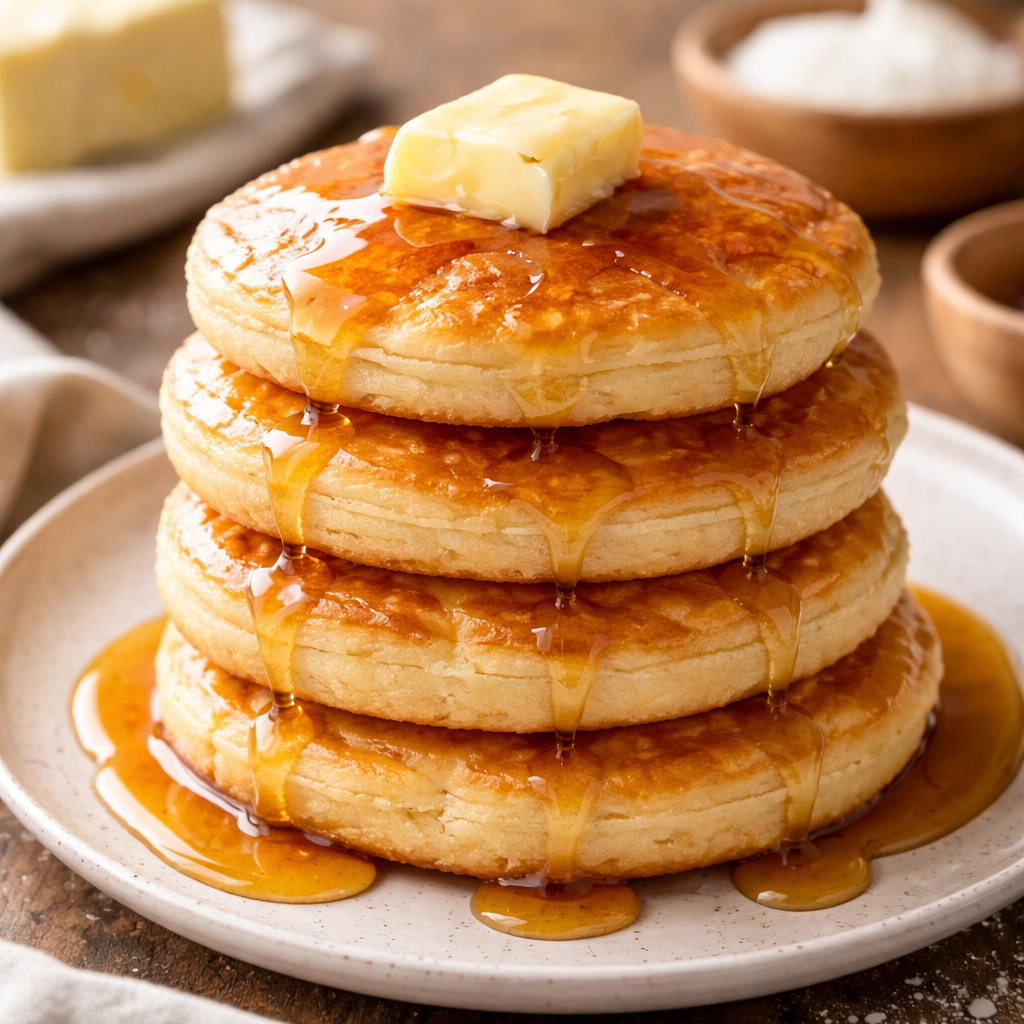
Cook for approximately 5 to 6 minutes on the first side. Wait for the edges to turn a visible dark golden brown. If you try to flip too early, the cake will stick. Flip and cook for another 4 to 5 minutes on the second side.
6. The Final Drain
Transfer the cooked cakes to a wire rack rather than a paper towel. A wire rack allows air to circulate, keeping the bottom crust crispy rather than steaming it into softness.
Fixing Texture or Flavor Problems
If your results with the Recipe for Johnny Cakes aren’t perfect, use these troubleshooting steps to adjust your next batch.
- Problem: The cakes are “doughy” or gummy in the middle.
- The Fix: You likely flattened them too much or cooked them too fast. Lower the heat and increase the cook time. You can also finish them in a $350^{\circ}F$ oven for 5 minutes to ensure the center is set.
- Problem: The cakes are falling apart in the pan.
- The Fix: This indicates insufficient hydration. Ensure the water is at a full boil when added to the meal. If the meal is very coarse, it may need an extra tablespoon of water and a longer resting time.
- Problem: The exterior is bland.
- The Fix: Increase the salt slightly in the next batch. Additionally, ensure you are using enough fat in the pan. Johnny cakes should partially “shallow fry” to develop that characteristic corn-nut flavor.
- Problem: The batter is too stiff to drop.
- The Fix: Different brands of cornmeal have different absorption rates. If the batter is like a brick after resting, whisk in more boiling water, one tablespoon at a time, until it is pliable.
Frequently Asked Questions Explained Simply
Is there a difference between a Johnny Cake and a pancake?
Yes. A standard pancake uses wheat flour, eggs, and milk to create a fluffy, cake-like texture. A Recipe for Johnny Cakes focuses on the earthy, rustic flavor of corn. Johnny cakes are denser, crispier, and contain no eggs or flour in their traditional form.
Can I make the batter in advance?
It is not recommended to keep the batter for more than an hour. As it sits, the cornmeal continues to absorb water, which can make the final cake too dense and dry. It is best to mix and fry within a 20-minute window.
What should I serve with Johnny Cakes?
While they are often served with maple syrup or honey for breakfast, they are traditionally a savory side. They pair exceptionally well with salt cod, hearty stews, or topped with a piece of sharp cheddar cheese.
Can I use yellow cornmeal?
You certainly can. The cooking method remains the same. Yellow cornmeal will result in a slightly stronger, “cornier” flavor and a more robust color, whereas white cornmeal is more subtle.
How do I reheat leftovers?
The best way to preserve the texture is in a toaster oven or back in a dry skillet over medium heat. Microwaving Johnny cakes is not recommended, as it removes the crispiness and makes them unpleasantly chewy.
By understanding the relationship between boiling water and cornmeal starch, you can overcome the common frustrations associated with this historical dish. This Recipe for Johnny Cakes ensures a result that is crispy on the outside, creamy on the inside, and structurally sound enough for any meal.
Homemade Easy King Cake Recipe Everyone Will Love
Homemade Crack Cake Recipe Made Simple
The Best Coconut Poke Cake Recipe for Dessert Lovers
Classic Carrot Cake Recipe – Moist & Perfect Every Time
Easy Chocolate Torte Cake Recipe – Rich & Elegant
Moist Chocolate Brownie Cake Recipe Made Simple