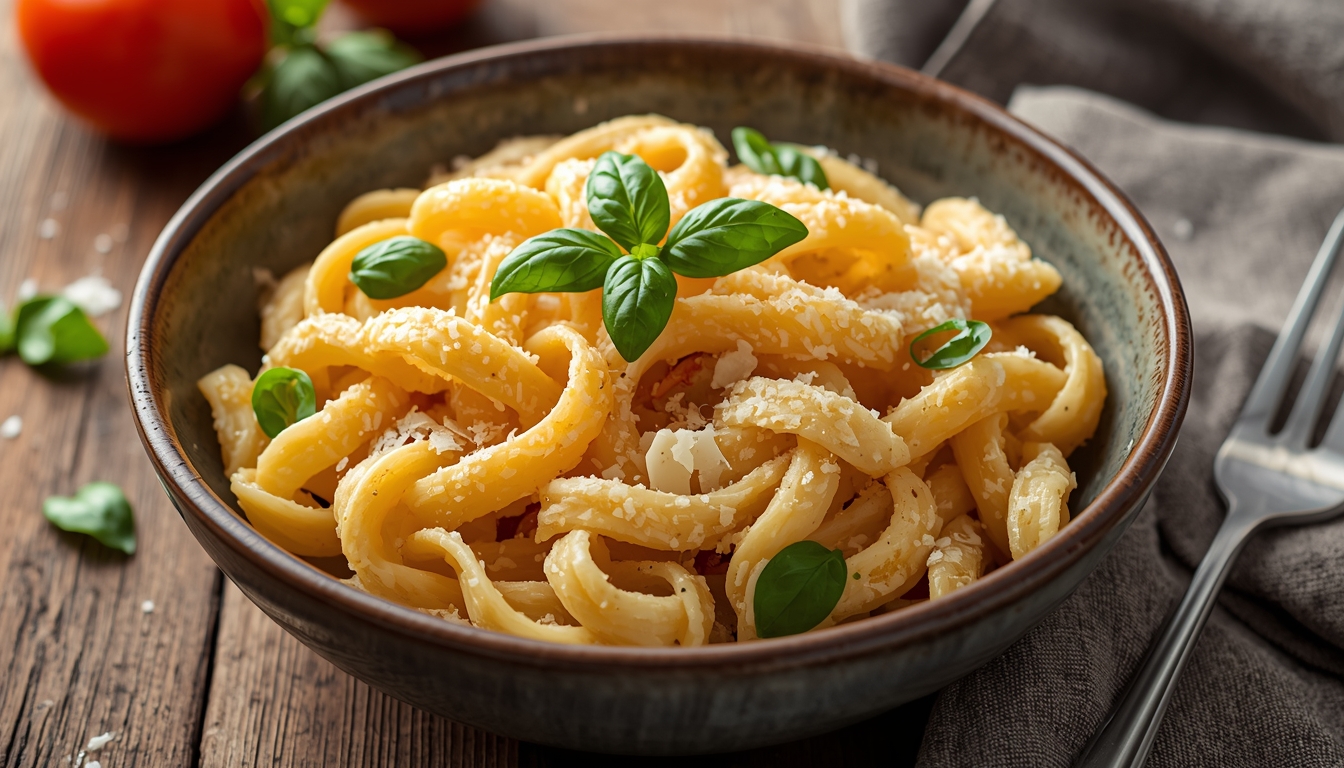
semolina pasta recipe Tired of bland store-bought pasta that turns mushy in seconds? Imagine twirling forkfuls of golden noodles with a perfect chew and nutty taste. Homemade semolina pasta changes everything. This traditional Italian staple uses semolina flour from durum wheat. It gives your dish that authentic bite you crave.
In this guide, you’ll get a foolproof semolina pasta recipe. Even if you’re new to the kitchen, you can nail it. We keep it simple with just two main ingredients. No fancy gear needed. By the end, you’ll whip up pasta that beats anything from a box.
Why Semolina is the Gold Standard for Pasta Making
Semolina stands out as the top choice for homemade pasta. It comes from durum wheat, a hard grain packed with protein. That makes your noodles strong and full of flavor.
Understanding Durum Wheat Semolina Flour
Semolina is coarsely ground from the endosperm of durum wheat. This part of the grain holds most of the protein and starch. High gluten levels help the dough hold shape when you boil it.
Look at semolina next to all-purpose flour. Semolina has a pale yellow color and gritty feel, like fine sand. All-purpose flour looks white and smooth, like baby powder. This difference shows up in the final pasta’s texture. Always pick fine semolina for smoother dough.
Texture, Flavor, and Al Dente Perfection
Semolina pasta hits that sweet spot of al dente—firm yet tender. The high protein creates a strong gluten network. It resists overcooking, unlike pasta from softer flours that go soft fast.
Think of it like this: soft flour pasta is like a soggy sponge. Semolina version? More like a springy rubber band. Italian cooks swear by it for the “bite.” Studies show durum wheat pasta keeps shape better in hot water, holding up to 30% longer before softening.semolina pasta recipe
Semolina vs. ’00’ Flour: Which to Choose for Your Recipe?
Semolina shines for sturdy shapes like spaghetti or penne. Its grit adds chew that pairs with thick sauces. ’00’ flour, finely milled from soft wheat, suits delicate tasks like ravioli.
Use semolina when you want bold texture for meaty ragù. Go for ’00’ with light fillings to avoid toughness. Both work, but semolina wins for classic dried-style pasta. Mix them sometimes for a custom feel.
Essential Ingredients and Equipment Checklist
You don’t need a stocked pantry for this semolina pasta recipe. Focus on quality basics. Let’s break it down.
The Perfect Two-Ingredient Dough Ratio
Start with 2 cups of semolina flour and about 3/4 cup of water. This ratio makes a firm dough. Use fresh, filtered water for best results.semolina pasta recipe
Keep water at room temperature. Cold water slows gluten formation, making kneading harder. Warm it slightly if your kitchen chills you. High-quality semolina ensures no off flavors sneak in.
- Semolina flour: 400 grams (about 3 cups)
- Water: 180-200 ml, adjusted as needed
- Optional add: A pinch of salt for subtle taste

Necessary Tools for the Home Pasta Maker
Gather these basics before you start. A clean counter works as your surface.
- Digital scale: For exact measurements
- Bench scraper: To gather and cut dough
- Rolling pin or pasta machine: For flattening
- Sharp knife or pasta cutter: For slicing shapes
- Large bowl: To mix if needed
Try the “well” method first. Pour flour on the counter, make a hole in the center. Add water slowly. It feels old-school but builds dough evenly. No well? Just mix in a bowl.semolina pasta recipe
Measuring Accurately: Weight vs. Volume
Skip cups and spoons—use a scale. Semolina packs differently, so volume tricks you. A cup might weigh 120 to 160 grams.
Weigh 400 grams for flour. This keeps your semolina pasta consistent every time. Volume works in a pinch, but expect tweaks. Pros always scale for pro results.
Step-by-Step Guide to Mixing and Kneading the Dough
Mixing sets the base for great pasta. Follow these steps. You’ll see progress fast.
Creating the Dough Well and Initial Hydration
Dump semolina on a flat surface. Shape it into a mound with a deep well. Pour water into the center bit by bit.
Stir with a fork to pull in flour edges. The mix turns shaggy, like wet sand. Stop when it holds together loosely. Too dry? Add water one teaspoon at a time. This stage takes under 5 minutes.

If it crumbles, don’t panic. Scrape it all and try again. Visual cue: no big dry spots left.
The Art of Kneading for Smoothness and Elasticity
Now, knead. Press the dough with your palm heel. Fold it over, turn a quarter, repeat.
Aim for 8-10 minutes by hand. It starts rough but smooths out. Ready dough feels soft, springs back when poked, and isn’t sticky.semolina pasta recipe
Too dry? Sprinkle water and knead more. Too wet? Dust with semolina. Press a finger in—if it bounces, you’re good. Machine kneading cuts time in half.
Resting the Dough: Why Patience Pays Off
Wrap the dough in plastic or a damp cloth. Let it sit 30 minutes at room temp. This relaxes the gluten strands.
Resting makes rolling easier. Tight gluten fights back otherwise. In a cool spot, it can rest up to an hour. No rush—patience builds better pasta.
Shaping Your Homemade Semolina Pasta
Shaping turns dough into fun forms. Pick your style. We’ll cover basics.
Rolling Techniques: Manual vs. Machine Methods
For a machine, start on the widest setting. Feed dough through twice. Narrow the gap each pass, up to setting 5 or 6 for thin sheets.
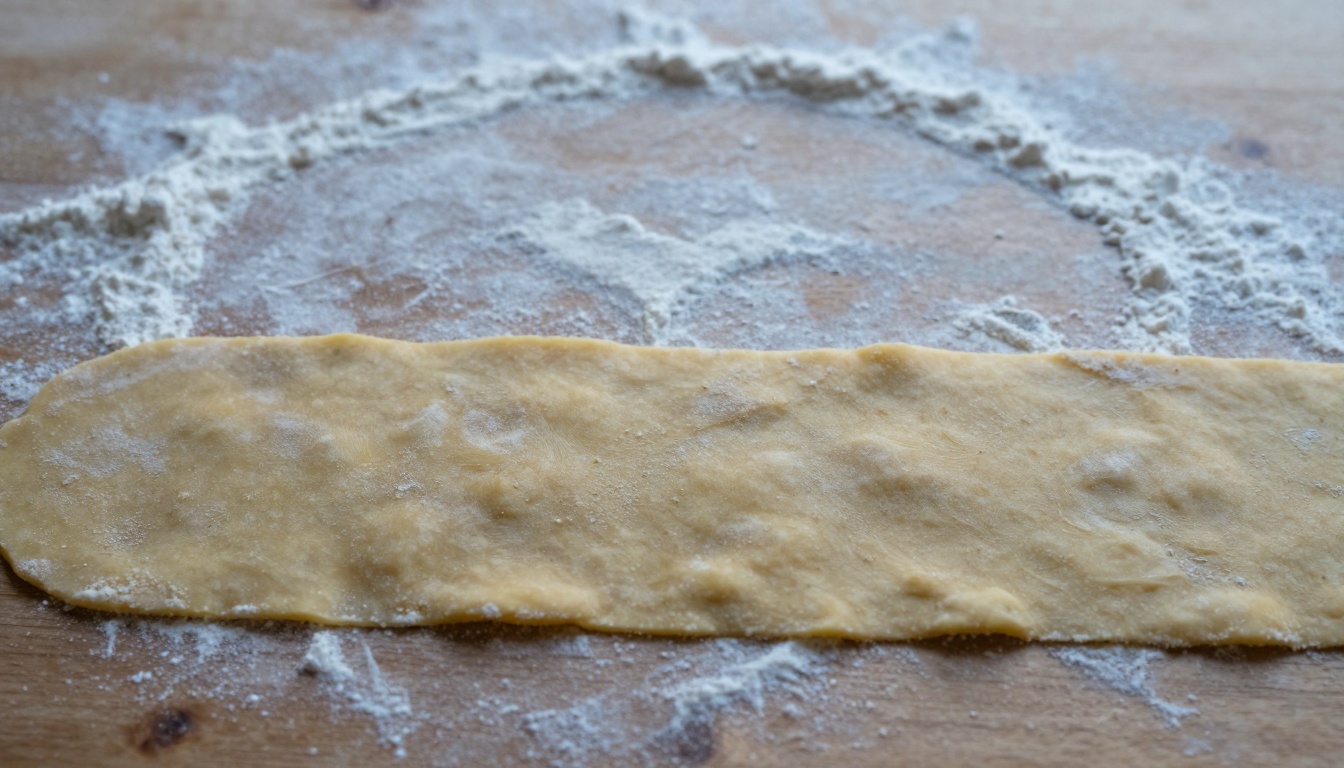
By hand, roll with a pin from center out. Aim for 1/16-inch thick. Dust semolina to stop sticking. Flip often for evenness.semolina pasta recipe
Machine gives uniform results fast. Hand-rolling builds skill. Either way, keep sheets soft, not dry.
Cutting Classic Shapes: Fettuccine and Spaghetti
For fettuccine, lay a sheet flat. Dust lightly. Fold loosely, slice into 1/4-inch strips.
Unfurl and hang to dry a bit. Spaghetti needs thinner dough. Use a spaghetti cutter or knife for fine strands. Shake to separate right away.
Toss cut pasta in semolina to avoid clumping. Fresh strands cook even. Practice makes perfect cuts.
Drying and Storing Fresh Pasta Properly
Let shapes air-dry 15-30 minutes on a rack. This firms them for cooking. Full dry takes 24 hours for shelf life.
Freeze extras on a tray, then bag. Lasts months. For long store, dry fully in a cool, dry spot. Check for mold if humid.semolina pasta recipe

Cooking and Serving Your Fresh Semolina Masterpiece
Cooking fresh pasta is quick joy. Time it right. Your sauce waits nearby.
The Quick Cook Time for Fresh Pasta
Boil a big pot of water. Add salt like the sea—1 tablespoon per quart. Drop pasta in rolling boil.
Fresh semolina pasta needs 2-4 minutes. Test a strand—firm but soft inside. Drain but save some water.
Don’t overcook. It firms more as it cools. Al dente rules here.
Finishing the Pasta in the Sauce (Mantecaura)
Scoop pasta straight to sauce pan. Over low heat, toss to coat. Add a splash of pasta water.
This starch thickens sauce, makes it cling. No watery pools. Stir 1 minute for creamy bind.
Italian trick: mantecaura means “butter it up” with sauce. Perfect for flavor lock-in.
Easy Rotel Chicken Spaghetti Recipe (Creamy & Cheesy)
Spicy Chipotle Chicken Pasta Recipe – Quick & Tasty
Chicken Asparagus Pasta Recipe – Quick & Delicious
Simple Pasta and Ground Chicken Recipes – Quick Weeknight Meals
Sauce Pairings Optimized for Semolina Texture
Semolina’s chew loves hearty matches. Try ragù with ground beef and tomatoes—slow-simmered for hours.semolina pasta recipe
Veggie option: eggplant and tomato sauce. Chunky bits grip the ridges. Skip light pesto; save for delicate pasta.
For winter, creamy mushroom sauce hugs strands well. Experiment, but match boldness to semolina’s strength.semolina pasta recipe
FAQ – Semolina Pasta Recipe
1. What is semolina pasta, and what makes it special?
Semolina pasta is made from durum wheat flour, which gives it a firm texture and slightly golden color. It holds sauces well and has a slightly chewy, satisfying bite compared to regular pasta.semolina pasta recipe
2. Can I use regular flour if I don’t have semolina?
Yes, you can try all-purpose flour or a mix of wheat and chickpea flour, but the texture will be softer and less al dente than semolina pasta.
3. How long does it take to make fresh pasta?
Making the dough takes about 10 minutes, plus 30 minutes to rest. After rolling and cutting, the total time is around 45–50 minutes.
4. How can I store fresh pasta?
Fresh pasta can be stored in an airtight container in the fridge for 1–2 days. For longer storage, freeze it on a tray first, then transfer to freezer bags—it can be cooked directly from frozen.semolina pasta recipe
5. How long should I cook fresh semolina pasta?
Fresh pasta cooks in boiling, salted water for about 2–4 minutes, depending on thickness. Dried pasta will naturally take longer.
6. How do I prevent the pasta from sticking when cutting or cooking?
Dust the rolled pasta with semolina flour before cutting, and stir frequently while cooking in boiling water to prevent sticking.
7. Can I add eggs or oil to improve the texture?
Yes, eggs make the pasta tender and hold together, while a small amount of olive oil helps the dough stay soft and easy to work with.
8. What sauces pair best with semolina pasta?
Semolina pasta works beautifully with tomato-based sauces, creamy Alfredo sauces, or seafood sauces. Adding some pasta water to the sauce helps it cling perfectly to the noodles.
Conclusion: The Reward of Handcrafted Tradition
Making homemade semolina pasta is easier than you think. With quality flour and these steps, you create something special. The texture and taste far outshine boxed kinds—nutty, firm, full of life.semolina pasta recipe
You’ve got the tools now. Try this semolina pasta recipe this weekend. Shape it your way, pair with seasonal sauces. Make it a habit. Your table deserves this fresh joy. What’s your first shape? Dive in and taste the difference.semolina pasta recipe
[…] Semolina Pasta Recipe – Simple, Homemade & Delicious […]