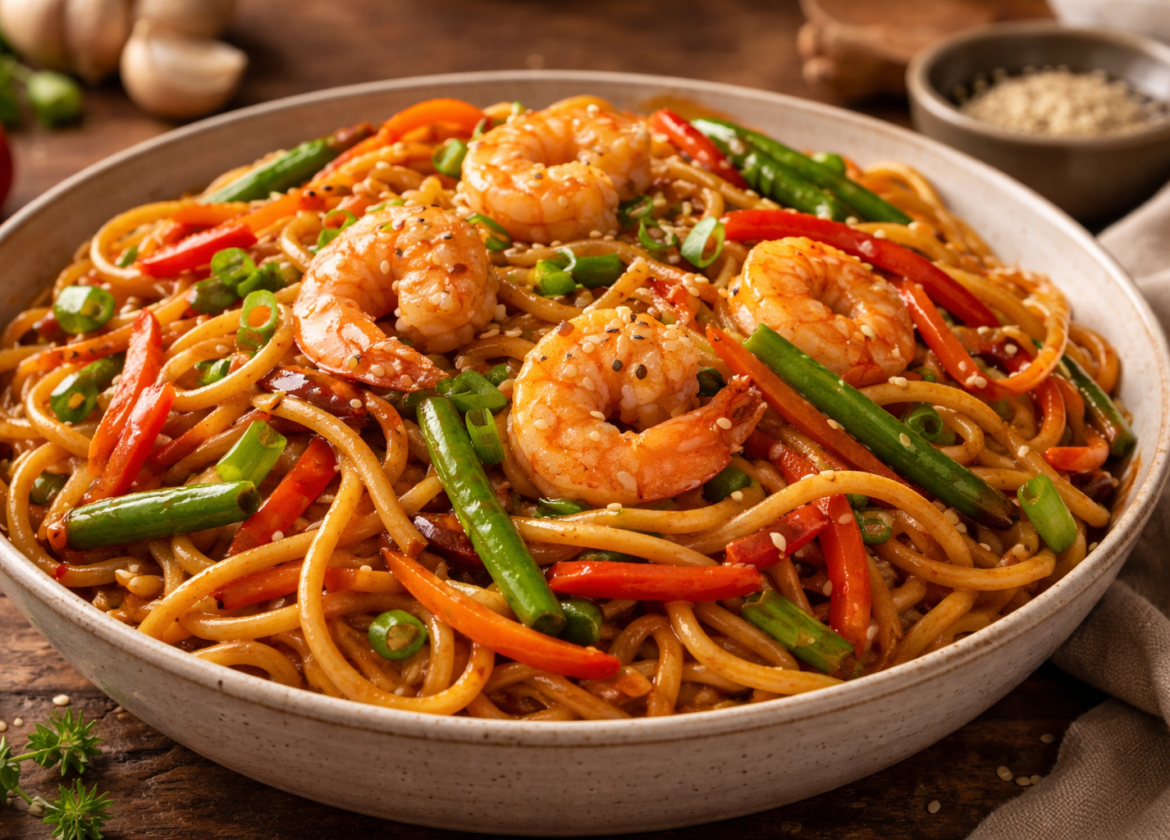
When you decide to tackle a Shrimp Lo Mein Recipe at home, you are stepping into a culinary tradition that prizes speed, high heat, and the harmony of textures. Unlike a slow-simmered stew where mistakes can be corrected over time, Lo Mein is a “sprint.” The mindset required for success is one of total preparation. In a professional kitchen, this is called mise en place, but for the home cook, it simply means having every single component sliced, measured, and within arm’s reach before you even think about turning on the stove.
The beauty of a high-quality Shrimp Lo Mein Recipe is the balance between the “snap” of fresh vegetables, the tender bite of the shrimp, and the “slurpable” quality of the noodles. You aren’t looking for a dish that is swimming in a heavy, syrupy sauce; rather, you want a light, savory glaze that seasons the noodles without making them soggy. Approaching the wok with calm, organized energy is the first step toward achieving that restaurant-grade result.
Understanding the Cooking Environment
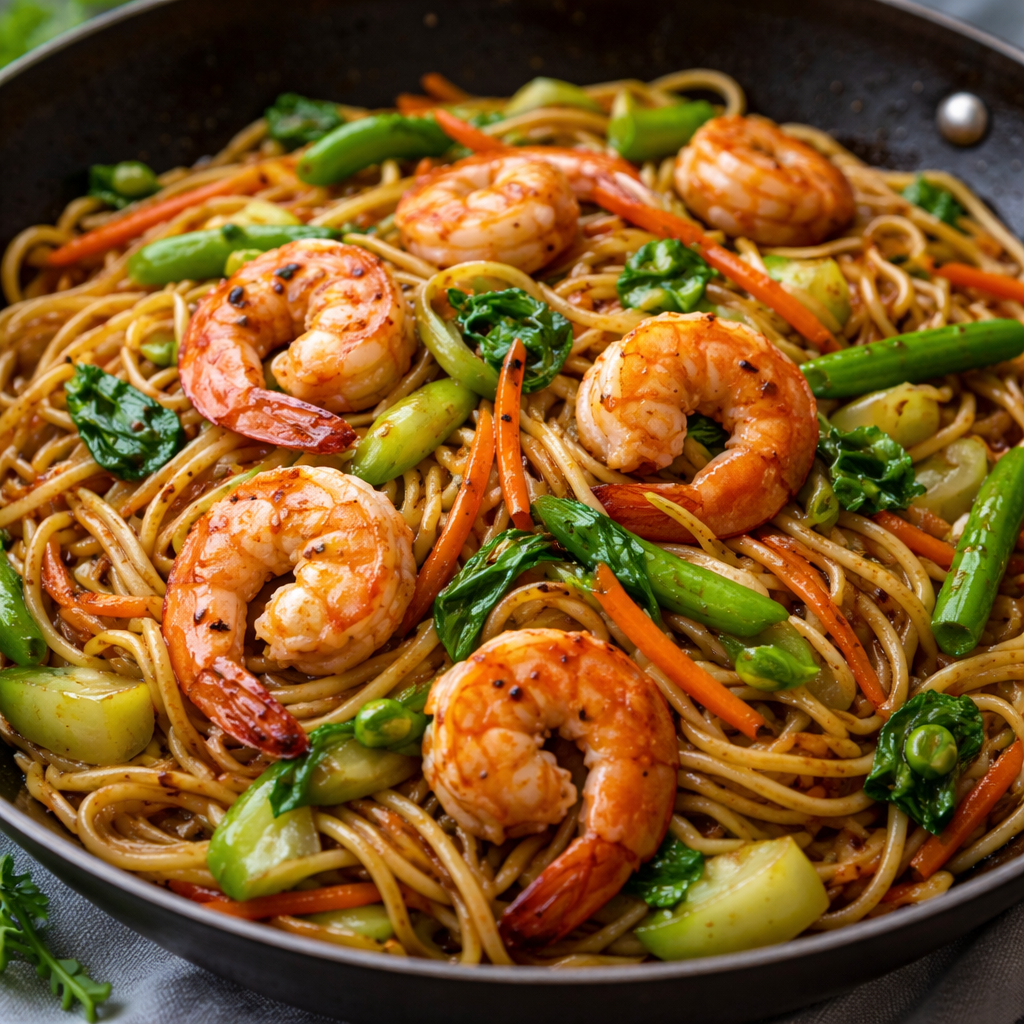
To cook a Shrimp Lo Mein Recipe correctly, you have to understand the environment inside the pan. Stir-frying is a dry-heat cooking method that relies on conduction. Because we are using shrimp—a protein that can go from perfect to rubbery in less than sixty seconds—temperature management is your most important variable.
- The Searing Zone: The bottom of your pan should be hot enough that the oil shimmers. When the shrimp hit the pan, you should hear an immediate, aggressive sizzle. This creates the “sear” that locks in the juices.
- The Steam Effect: Vegetables like bok choy or snap peas release moisture when they hit the heat. If your pan isn’t hot enough, the vegetables will steam in their own juices, making them limp and turning your noodles mushy.
- Noodle Integrity: Lo Mein noodles are wheat-based. They are designed to absorb flavor, but they can easily overcook. The cooking environment for the noodles should be a brief, high-heat toss to coat them in sauce, not a prolonged simmer.
Preparing Ingredients With Purpose
Every ingredient in a Shrimp Lo Mein Recipe serves a specific functional purpose. If you cut your vegetables into different sizes, they will cook at different rates, leading to an inconsistent dish.
The Protein: Shrimp
Choose large or jumbo shrimp (16/20 count). Smaller shrimp cook too fast and get lost in the noodles. I always suggest peeling and deveining them, but leaving the tails on is a stylistic choice. Pro tip: Pat the shrimp completely dry with paper towels. If they are wet, they will steam instead of searing.
The Noodles
Authentic Shrimp Lo Mein Recipe results come from using fresh yellow egg noodles, usually found in the refrigerated section. If you can only find dried, cook them al dente—one minute less than the package instructions—and rinse them in cold water to stop the cooking and remove surface starch.
The Aromatics and Vegetables
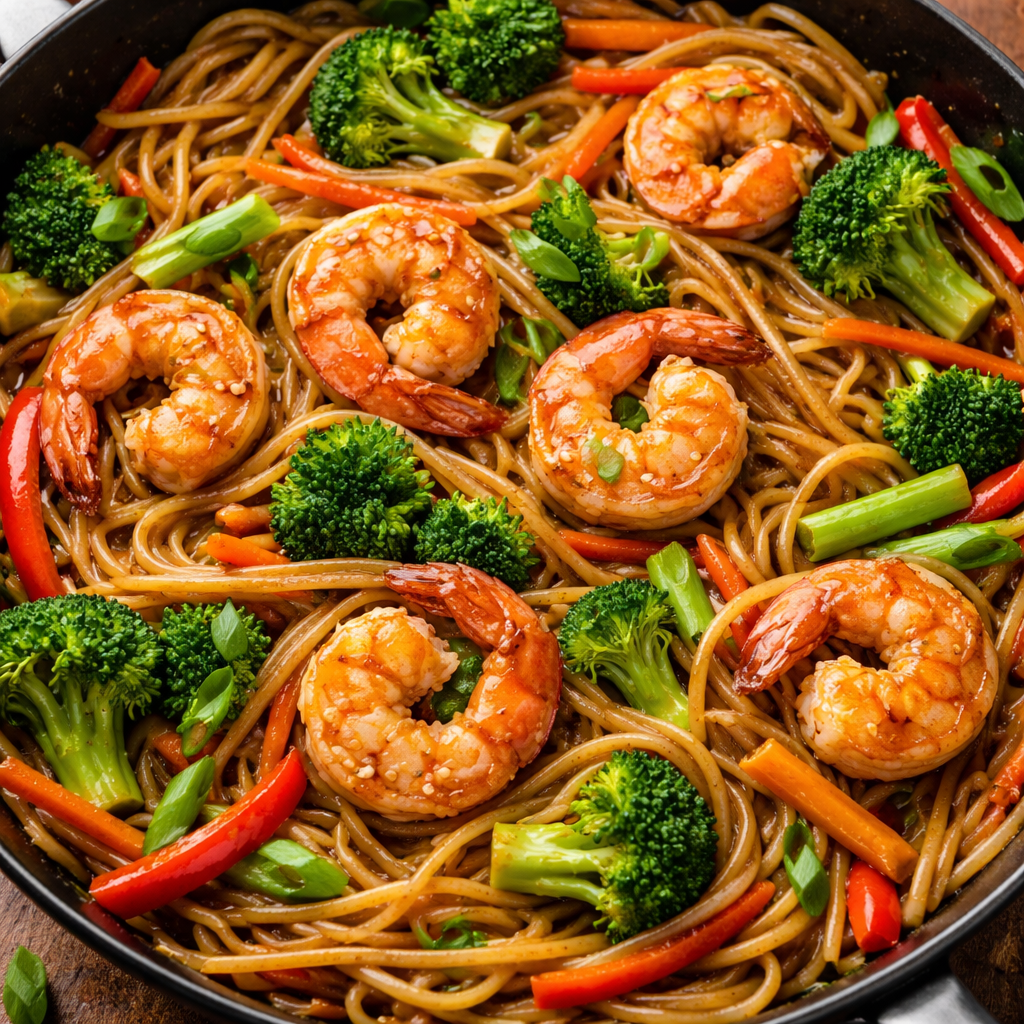
- The Foundation: Fresh ginger, garlic, and scallions (the white parts for frying, the green parts for garnish).
- The Crunch: Julienned carrots, sliced bell peppers, and snow peas.
- The Sauce: A blend of light soy sauce (for salt), dark soy sauce (for that rich mahogany color), oyster sauce (for umami), and a dash of toasted sesame oil.
Equipment Readiness and Setup
You do not necessarily need a traditional carbon steel wok to make a great Shrimp Lo Mein Recipe, though it is the preferred tool. A large, heavy-bottomed stainless steel or cast-iron skillet can work, provided it has high sides.
- The Vessel: A 12-inch or 14-inch wok is ideal. Its flared sides allow you to push cooked ingredients away from the “hot zone” in the center while you work on the next component.
- The Spatula: A wide, thin-edged spatula (or a “wok hoak”) is necessary for tossing the noodles without breaking them.
- High-Smoke Point Oil: Do not use extra virgin olive oil or butter. Use grapeseed, peanut, or vegetable oil. These can withstand the high temperatures required for stir-frying without smoking or breaking down.
Timing Decisions Before Cooking
In a Shrimp Lo Mein Recipe, timing isn’t just a suggestion; it is the difference between success and failure. You should mentally walk through the steps before you light the burner.
- Shrimp first: They are seared and then removed. This prevents them from overcooking while the vegetables sauté.
- Vegetables second: Harder vegetables (carrots) go in before softer ones (leafy greens).
- Noodles and Sauce last: This is the “homestretch.” You are just heating the noodles through and emulsifying the sauce.
Total cook time on the stove: Approximately 6 to 8 minutes. If you find yourself standing at the stove for 15 minutes, the heat is likely too low.
Cooking Through the Shrimp Lo Mein Recipe
1. The Initial Sear
Heat two tablespoons of oil in your wok until it is just starting to smoke. Add the shrimp in a single layer. Let them sit undisturbed for 30 seconds to get a golden crust, then toss and cook for another 30 seconds. They should be pink on the outside but slightly translucent in the center. Remove them immediately and set them aside.
2. Blooming the Aromatics
Add another tablespoon of oil if the pan looks dry. Toss in the minced ginger and garlic. You only need 15–20 seconds here. If the garlic turns dark brown, it will be bitter; aim for a pale gold.
3. The Vegetable Flash
Add your carrots, peppers, and snap peas. Stir-fry for 2 minutes. You want them vibrant in color and “fork-tender”—they should still have a definitive “snap” when bitten.
4. The Noodle Integration
Add your pre-cooked/rinsed noodles to the wok. Use your spatula to spread them out. Pour your sauce mixture (soy sauces, oyster sauce, sugar, and sesame oil) directly over the noodles.
5. The Final Toss
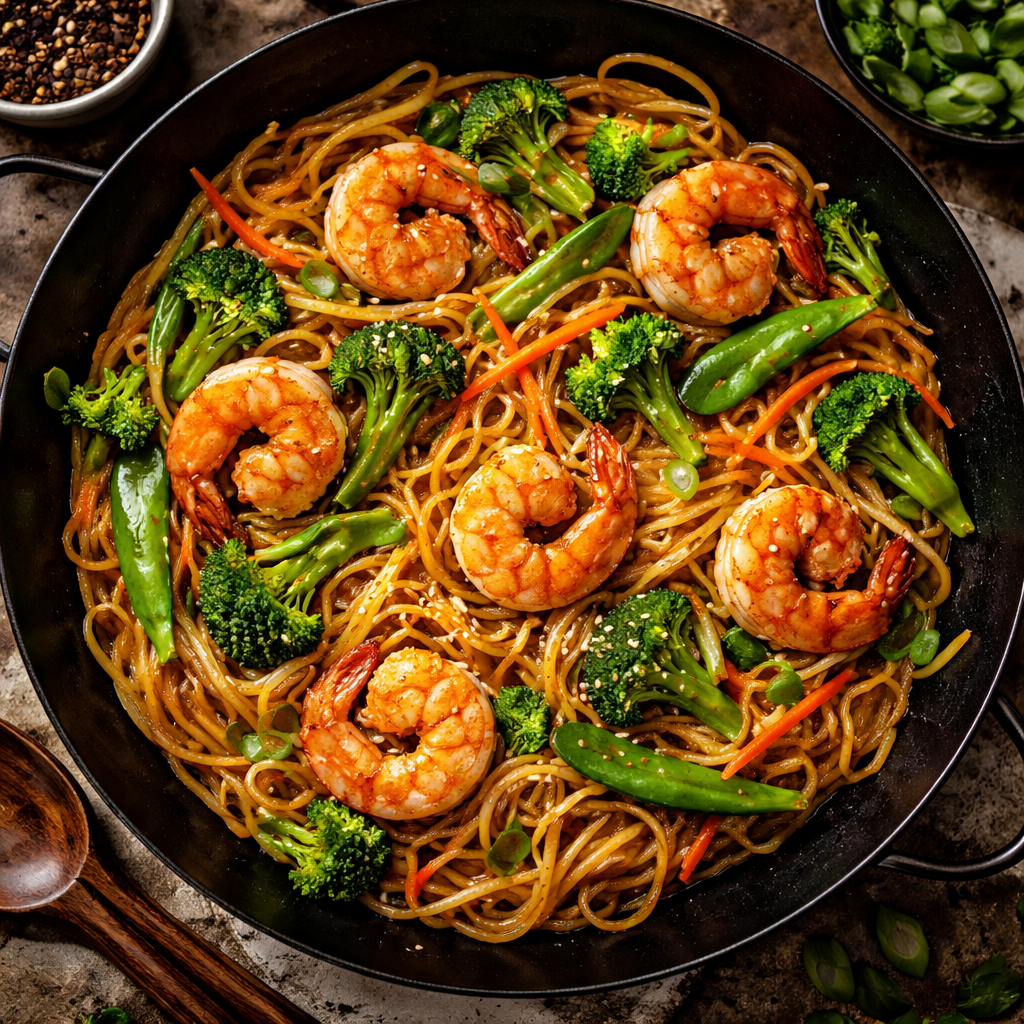
Add the shrimp back into the pan along with the green parts of the scallions. Toss everything together for 1–2 minutes over high heat. The noodles should absorb the sauce, and the shrimp will finish cooking through in the residual heat.
6. The Finish
Turn off the heat. Drizzle with an extra teaspoon of sesame oil and a sprinkle of toasted sesame seeds. Serve immediately.
Signs Something Is Going Wrong
Even with a solid Shrimp Lo Mein Recipe, things can go off-track. Here is how to spot and fix issues in real-time:
- The Pan is Smoking Excessively: Your heat is too high or your oil has a low smoke point. Move the pan off the burner for 30 seconds to let it cool, and add a splash of fresh oil before continuing.
- The Noodles are Sticking: This usually means there isn’t enough fat in the pan or the noodles were too wet. Add a tablespoon of broth or water to “loosen” them, and keep the ingredients moving constantly.
- Water is Pooling in the Bottom: This is a sign of overcrowding. You’ve added too many vegetables at once, and the pan temperature dropped. Turn the heat to maximum and stir-fry aggressively to evaporate the moisture.
- The Shrimp are “C-Shaped” and Tiny: This means they are overcooked. If they look like a tight “O,” they will be rubbery. Next time, pull them off the heat even earlier than you think—they carry a lot of residual heat.
FAQ for First-Time Users
Can I use frozen shrimp?
Yes, but they must be fully thawed and dried. Frozen shrimp release a significant amount of water. If you drop partially frozen shrimp into a hot wok, the temperature will plummet, and you will end up boiling your Shrimp Lo Mein Recipe instead of stir-frying it.
What is the difference between Lo Mein and Chow Mein?
It comes down to the noodles and the cooking method. Lo Mein uses soft, precooked wheat noodles that are tossed with sauce at the end. Chow Mein usually involves frying the noodles until they are crispy before adding the other ingredients.
How do I store and reheat leftovers?
Lo Mein stays fresh in the fridge for up to two days. To reheat, avoid the microwave if possible; it tends to make the shrimp rubbery. Instead, toss the leftovers in a hot skillet with a teaspoon of water or broth to “refresh” the noodles.
Can I make this gluten-free?
Yes. Substitute the soy sauces with Tamari or liquid aminos, and use a gluten-free oyster sauce (usually made with mushroom extract). For the noodles, use rice sticks or gluten-free spaghetti, though the texture will be slightly different.
Is the dark soy sauce necessary?
While light soy sauce provide the salt, dark soy sauce is what gives Lo Mein its signature color and a hint of molasses-like sweetness. If you don’t have it, the dish will still taste good, but it will look pale and lack a certain depth of flavor.
Easy Shrimp Francese Recipe – Lemon, Butter & Perfection
easy Dynamite Shrimp Recipe Better Than Restaurant Style
The Best Shrimp Piccata Recipe – Quick & Flavorful
Easy Shrimp Louie Salad Recipe – Fresh & Delicious