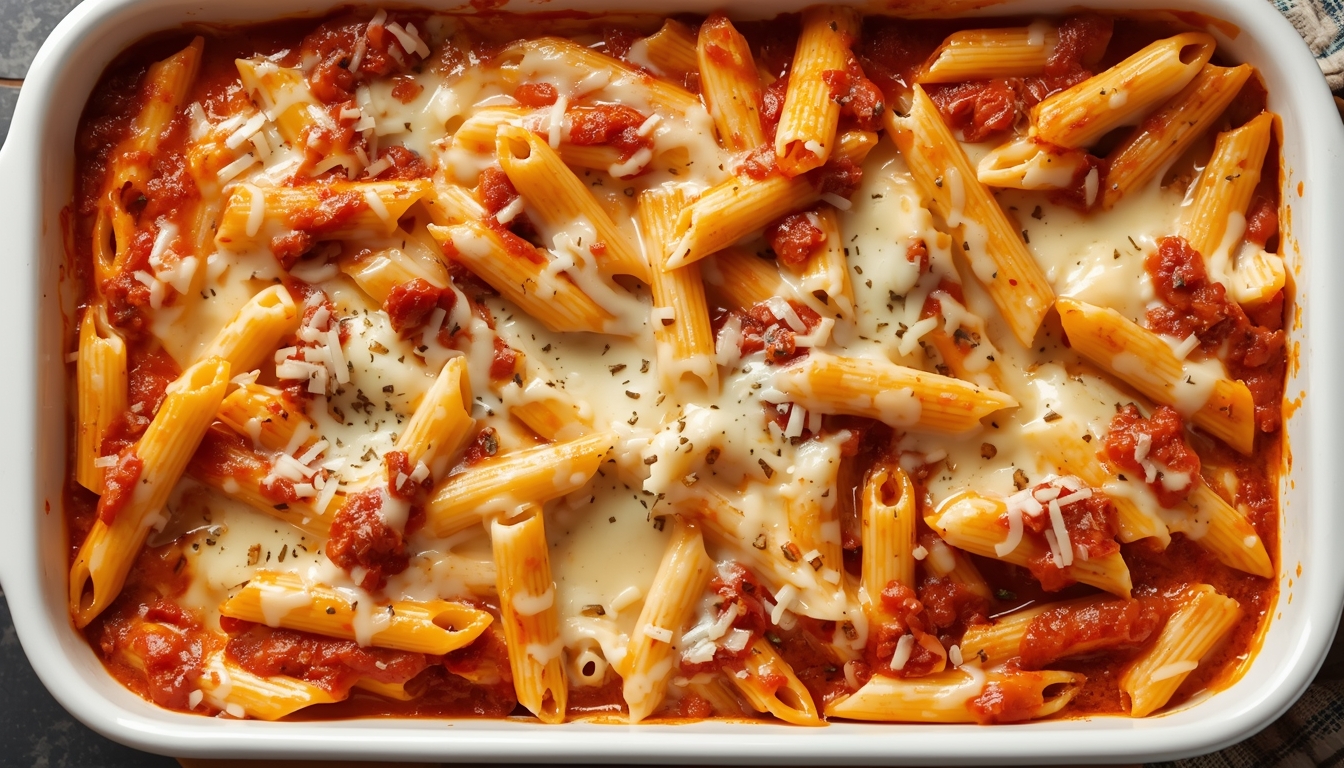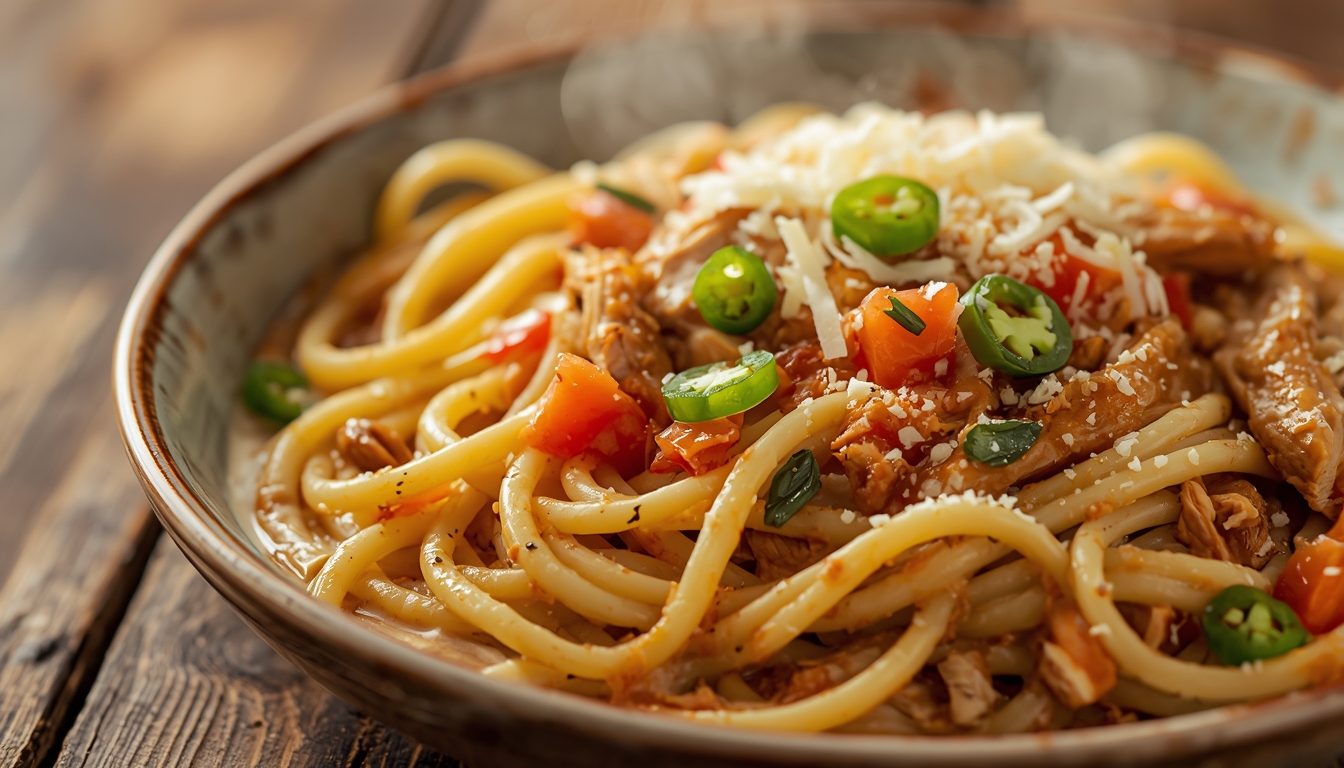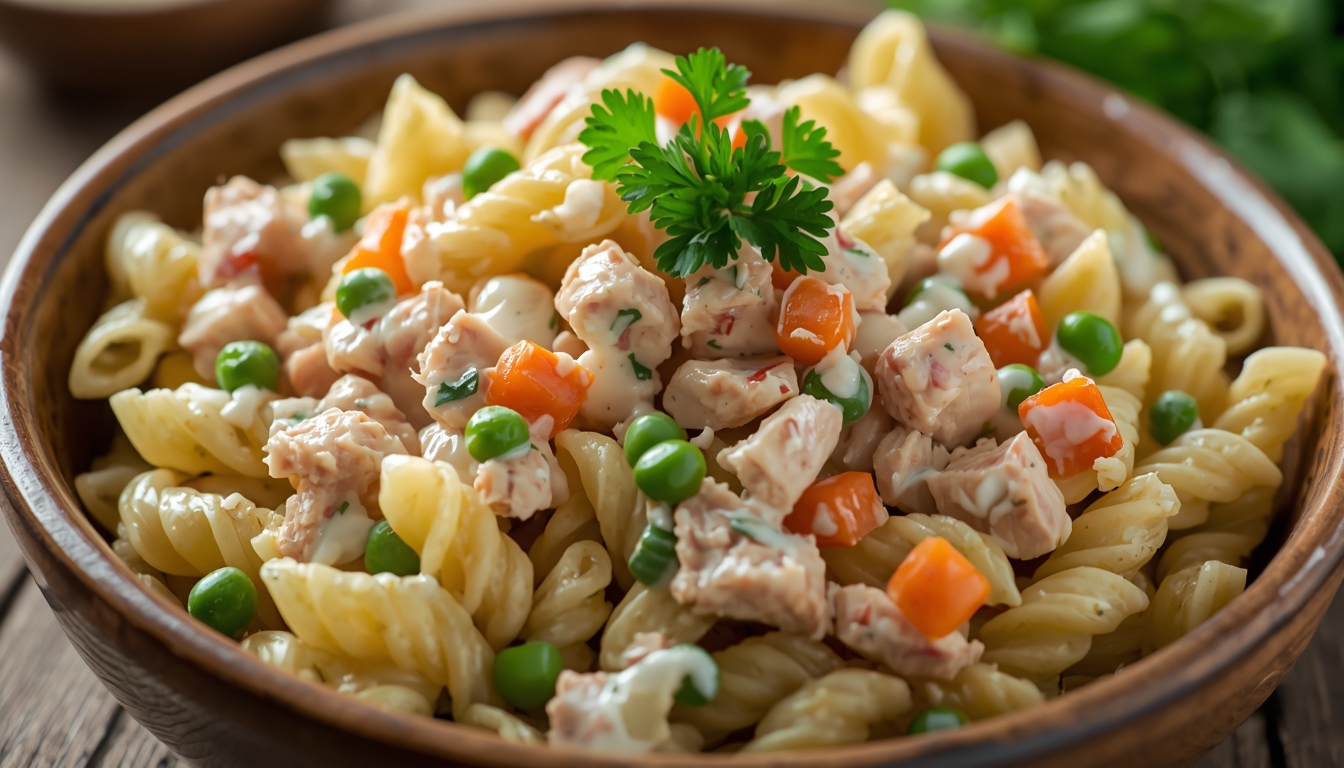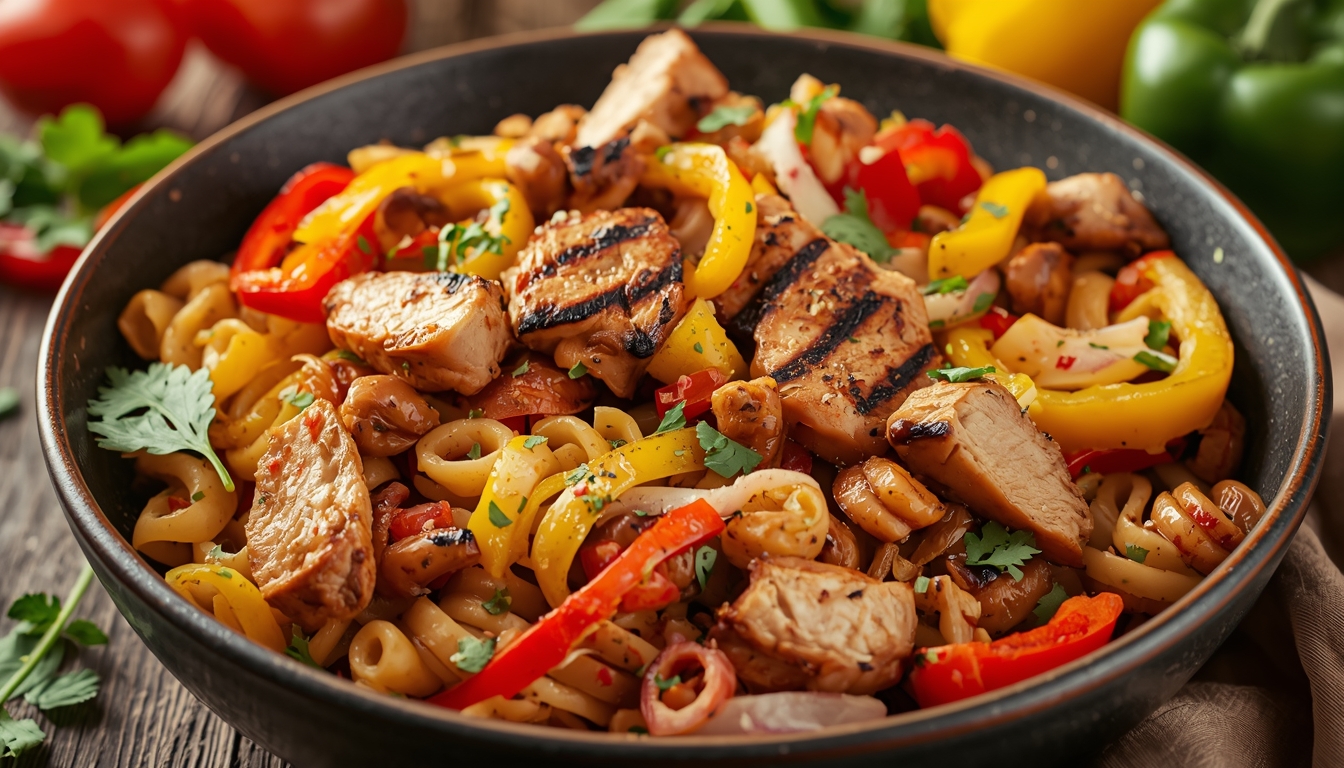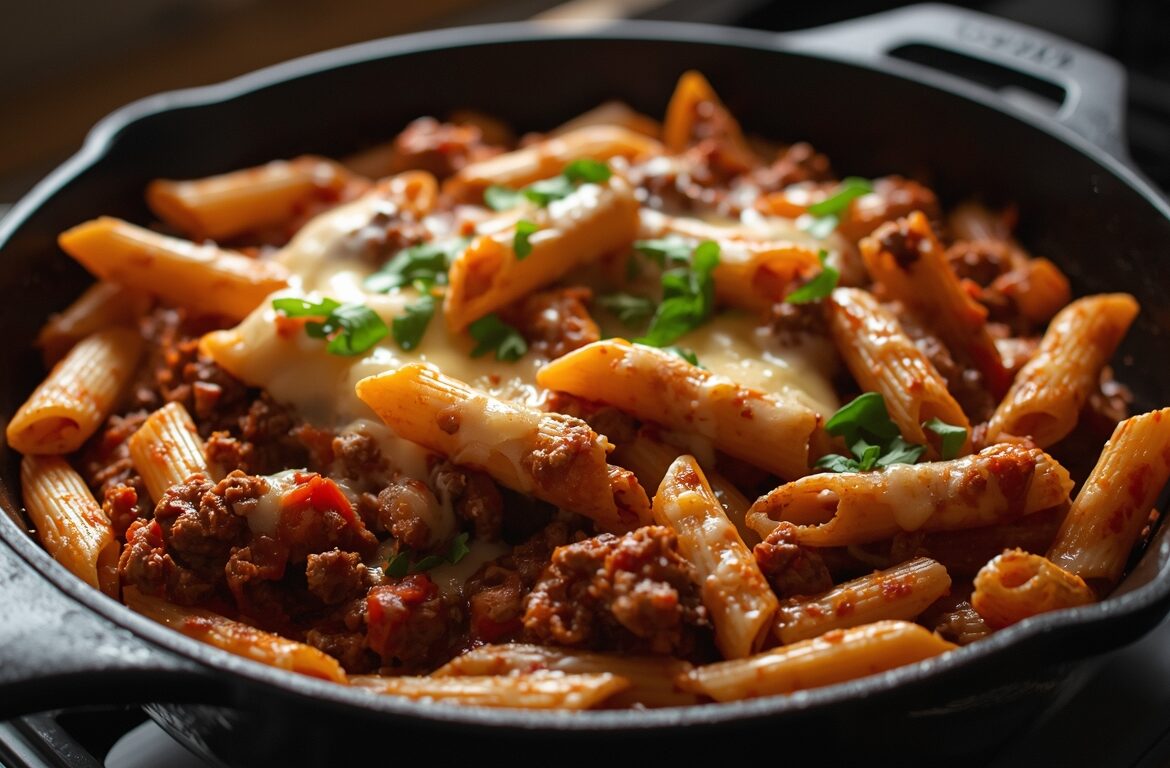
For the modern home cook, Skillet Pasta Recipes represent a significant evolution in kitchen efficiency. Traditionally, pasta preparation requires a multi-step process: boiling a large volume of water in a stockpot, cooking the noodles, draining them, and then combining them with a separately simmered sauce. The skillet method, often referred to as “one-pan” or “one-pot” pasta, simplifies this by cooking the pasta directly within the sauce and aromatics.
This approach is not merely about saving time; it is about flavor integration. When pasta is cooked in a skillet with a measured amount of liquid, the starch released from the noodles stays in the pan. This starch acts as a natural emulsifier, binding the fats and liquids together to create a silky, restaurant-quality sauce that clings to every strand or shape. Mastering Skillet Pasta Recipes allows you to produce a cohesive, flavorful meal with minimal cleanup, making it an essential technique for daily cooking.
Understanding the Cooking Method
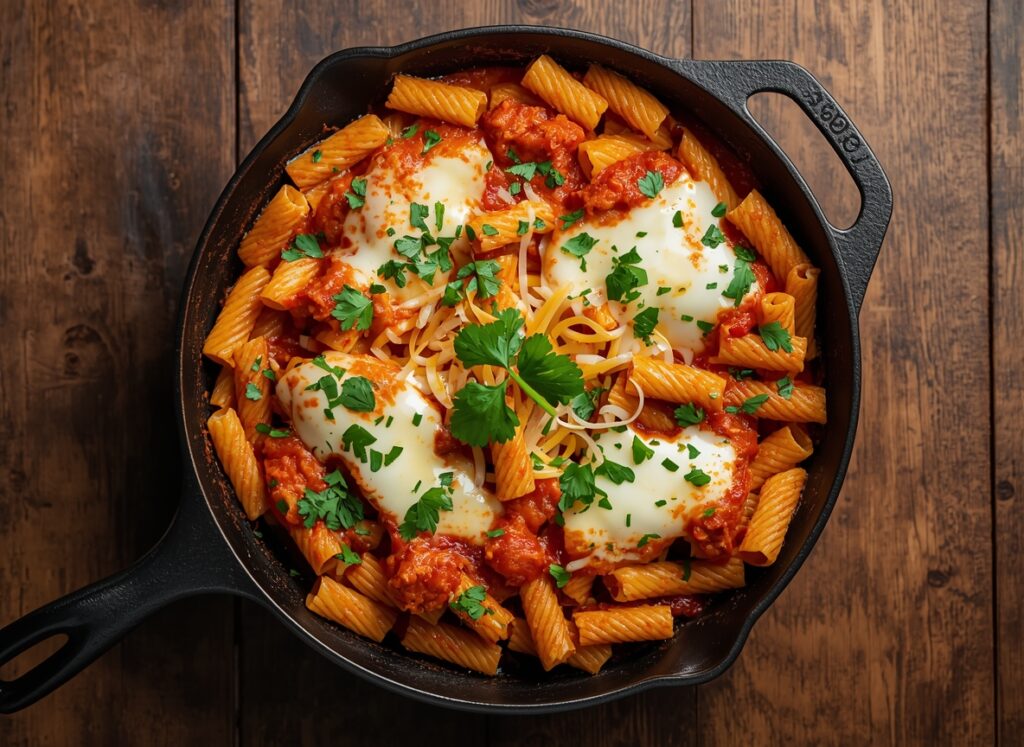
The fundamental logic behind Skillet Pasta Recipes is the absorption method. Instead of the pasta swimming in excess water, it is simmered in a mixture of broth, water, or tomato juice. As the liquid heats, the pasta softens and absorbs the seasoned moisture, flavoring the noodle from the inside out.
One of the primary advantages of this method is the conservation of energy and water. You are not waiting for five gallons of water to reach a boil; instead, you are heating a small amount of liquid that comes to a simmer almost instantly. Furthermore, because the heat is concentrated in a shallow, wide pan, the evaporation rate is higher, which helps to concentrate the flavors of your garlic, herbs, and proteins more effectively than traditional boiling.
Nutritional Information of Skillet Pasta
The nutritional profile of a skillet pasta dish depends largely on the choice of protein and the ratio of vegetables to noodles. On average, a standard serving of skillet pasta contains:
| Component | Amount per Serving |
| Calories | 450–600 kcal |
| Total Fat | 12g – 22g |
| Carbohydrates | 45g – 65g |
| Protein | 15g – 30g |
| Fiber | 4g – 8g |
Ingredients and Portion Guidelines
To ensure success with Skillet Pasta Recipes, the ratio of liquid to dry pasta must be precise. If there is too much liquid, the result is a soup; if there is too little, the pasta will remain crunchy and undercooked.
- The Pasta Choice: Short, sturdy shapes like penne, rigatoni, fusilli, or orecchiette are ideal for skillet cooking. They hold their structure well and are easy to stir. If using long pasta like linguine or spaghetti, you may need to break them in half to fit the diameter of the pan.
- The Liquid Ratio: A general rule for skillet pasta is 2 to 2.5 cups of liquid for every 8 ounces of dry pasta. This liquid can be a combination of chicken broth, vegetable stock, crushed tomatoes, or water.
- Aromatics and Proteins: Start with a base of healthy fats (olive oil or butter) and aromatics (onions, garlic, or shallots). Proteins such as ground turkey, Italian sausage, or shrimp should be browned or partially cooked before the liquid and pasta are added.
- Vegetables: Leafy greens like spinach should be added at the very end, while heartier vegetables like bell peppers or broccoli should be added with the pasta.
Tools for Home Pasta Cooking
The success of Skillet Pasta Recipes depends heavily on the vessel used. Because you are sautéing, simmering, and reducing all in one place, the pan must be versatile.
- 12-Inch Deep Skillet or Sauté Pan: This is the most critical tool. It must have high, straight sides (at least 2 inches deep) to contain the liquid and allow for vigorous stirring without spilling.
- Cast Iron or Heavy-Bottomed Stainless Steel: Materials with high thermal mass are preferred. They maintain a consistent simmer even when room-temperature ingredients are added, preventing the “gummy” texture that results from temperature fluctuations.
- Tight-Fitting Lid: While the pasta cooks uncovered for part of the time to allow for reduction, a lid is necessary during the initial phase to trap steam and soften the noodles evenly.
- Heat-Resistant Silicone Spatula or Wooden Spoon: These are necessary to scrape the bottom of the pan, ensuring that the starches do not stick and burn.
Cooking Schedule Overview
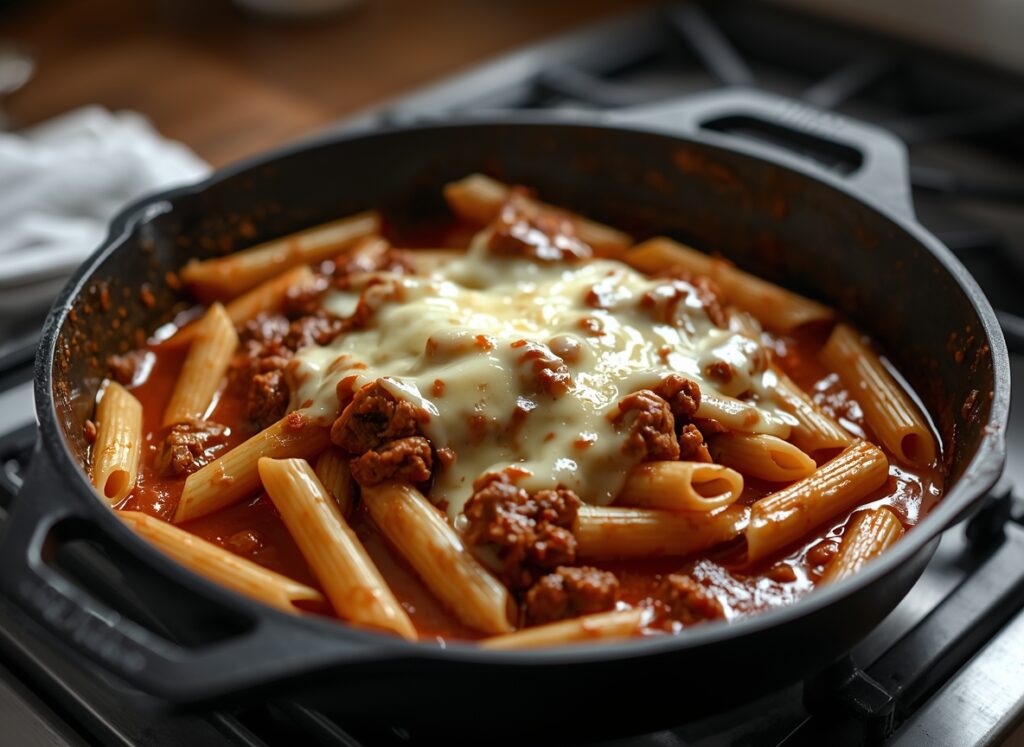
Efficiency in Skillet Pasta Recipes is achieved by following a structured timeline. Most recipes can be completed in approximately 30 minutes.
- Prep (10 Minutes): Mincing garlic, dicing onions, and measuring out the dry pasta and liquid.
- Browning (5 Minutes): Searing the protein and sautéing the aromatics to build a flavor foundation.
- Simmering (10–12 Minutes): This is the active cooking phase where the pasta absorbs the liquid.
- Finishing (3 Minutes): Stirring in cheese, fresh herbs, or cream and allowing the sauce to thicken off the heat.
Practical Skillet Pasta Recipes Guide
1. Building the Flavor Base
Heat two tablespoons of olive oil in your skillet over medium-high heat. Add your chosen protein (such as 1/2 lb of ground beef or sliced chicken). Cook until browned. Add one diced onion and three cloves of minced garlic. Sauté for 3 minutes until the vegetables are soft and fragrant.
2. Adding the Pasta and Liquid
Add 8 ounces of dry pasta directly to the skillet. Pour in 2 cups of chicken broth and 1 cup of tomato purée. Stir thoroughly to ensure the pasta is submerged as much as possible. Bold Tip: Do not be concerned if every piece of pasta isn’t fully underwater; the steam trapped by the lid will cook the top layers.
3. The Simmering Phase
Bring the liquid to a boil, then immediately reduce the heat to medium-low. Cover the skillet with a tight-fitting lid. Set a timer for 8 minutes.
4. Agitation and Reduction
After 8 minutes, remove the lid. The liquid should be significantly reduced. Stir the pasta vigorously for the remaining 2 to 4 minutes of cooking time. This agitation releases the starch from the pasta, which thickens the remaining liquid into a sauce.
5. Final Seasoning and Resting
Once the pasta is al dente, remove the pan from the heat. Stir in 1/2 cup of grated Parmesan cheese and a handful of fresh basil. Allow the skillet to sit for 2 minutes before serving. This rest period is crucial for the sauce to fully “set” and cling to the pasta.
Serving Tips for Skillet Pasta
Because Skillet Pasta Recipes create a starch-rich sauce, the dish should be served immediately. The sauce will continue to thicken as it cools. For a professional presentation, serve directly from the skillet to the table; the heavy metal pan will help keep the meal warm during service. A final drizzle of high-quality extra virgin olive oil and a sprinkle of cracked black pepper can enhance the aroma of the dish just before consumption.
Safe Storage & Reheating for Skillet Pasta
Proper storage is essential to prevent the pasta from becoming mushy.
- Storage: Transfer leftovers to an airtight container within two hours of cooking. Store in the refrigerator for up to 3 to 4 days.
- Reheating: Bold Tip: Skillet pasta absorbs more liquid as it sits in the fridge. When reheating on the stovetop or in the microwave, add 1 to 2 tablespoons of water or broth to loosen the sauce and restore its creamy consistency.
- Freezing: It is not recommended to freeze skillet pasta recipes containing dairy or cream, as the sauce may break and become grainy upon thawing. Tomato-based skillet pastas freeze better but may lose textural integrity.
Home Cooking Errors to Avoid
- Using Too Much Liquid: Adding too much broth at the start results in overcooked, soft pasta. It is better to start with slightly less liquid and add more in 1/4 cup increments if the pasta is still firm.
- Neglecting to Stir: Unlike traditional boiling, skillet pasta must be stirred occasionally—and more frequently toward the end—to prevent the noodles from sticking to the bottom of the pan.
- Cooking on High Heat: High heat will evaporate the liquid before the pasta has a chance to soften. A steady, low-to-medium simmer is the goal.
- Adding Delicate Vegetables Too Early: Ingredients like spinach, peas, or fresh herbs will lose their color and texture if cooked for the full duration. Add them only in the final 2 minutes.
Frequently Asked Questions for Home Cooks
Can I use whole wheat or gluten-free pasta in skillet recipes?
Yes, but the liquid requirements change. Whole wheat pasta typically requires slightly more liquid and a longer cooking time. Gluten-free pasta can be fragile; it is recommended to stir less frequently to prevent the noodles from breaking.
Do I need to salt the liquid?
If you are using store-bought broth, it likely contains enough sodium. Taste the liquid before adding the pasta. If using plain water, you must salt it as you would a traditional pasta pot to ensure the noodles are seasoned internally.
Can I add cream to a skillet pasta recipe?
Yes. To prevent curdling, stir in the cream at the very end of the cooking process after you have removed the pan from the heat.
What if my pasta is still hard but the liquid is gone?
Simply add 1/4 cup of hot water or broth, cover the pan again, and continue cooking for 2 to 3 minutes. The steam will finish the softening process.
Can I double the recipe in one skillet?
Only if your skillet is large enough to allow the pasta to sit in a relatively shallow layer. If the pan is too crowded, the pasta will cook unevenly, with the bottom layer becoming mushy before the top layer is done.
Simple Bucatini Pasta Recipes Made at Home
Homemade Pumpkin Pasta Recipe Everyone Will Love
Classic White Pasta Sauce Recipe Everyone Loves