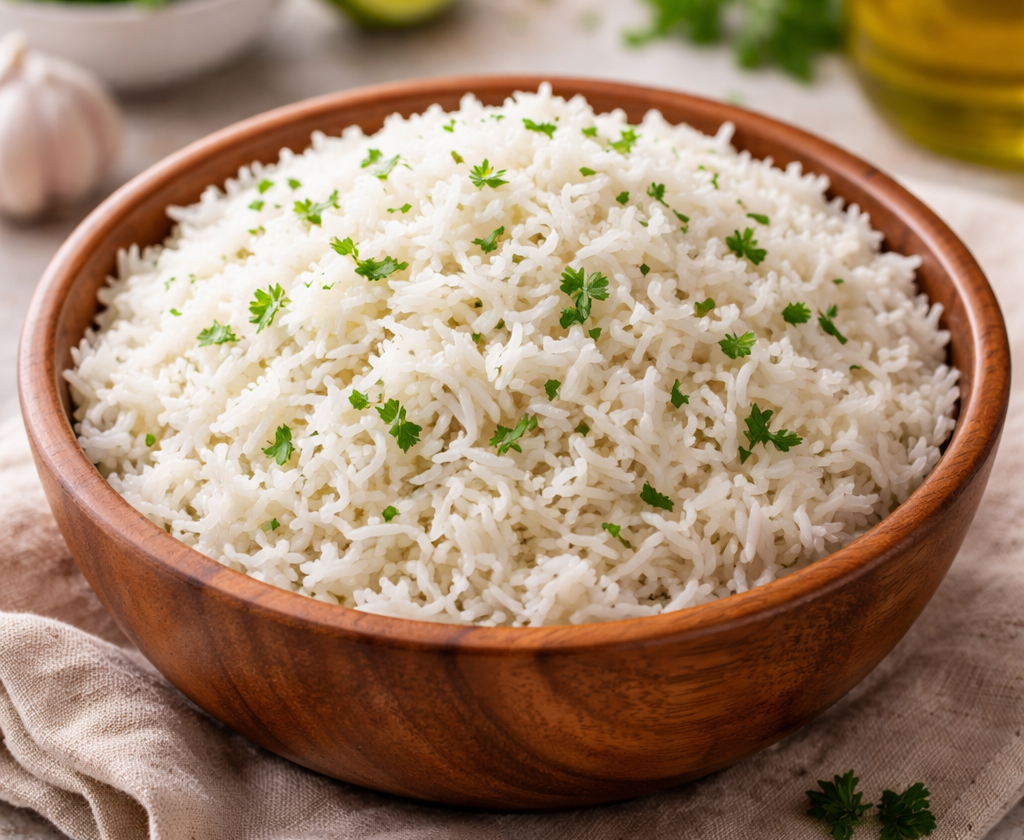
Steamed rice serves as the culinary foundation for more than half of the world’s population. While the process may appear simple, mastering steamed rice recipes requires an understanding of cereal chemistry, moisture ratios, and thermal application. Unlike boiled rice—where grains are submerged in a large volume of water and later drained—steaming relies on a precise amount of liquid being absorbed by the starch granules, resulting in a distinct, fluffy texture where individual grains remain intact.
A professional approach to steamed rice recipes transforms a humble commodity into a sophisticated side dish or a robust base for complex proteins. Whether you are preparing long-grain Basmati, short-grain Sushi rice, or aromatic Jasmine, the goal remains the same: achieving a uniform cook from the bottom of the pot to the top, without scorching or clumping. This guide provides a technical and authoritative breakdown of the steaming process, ensuring consistent results suitable for any gastronomic context.
Key Advantages of Steamed Rice Recipes
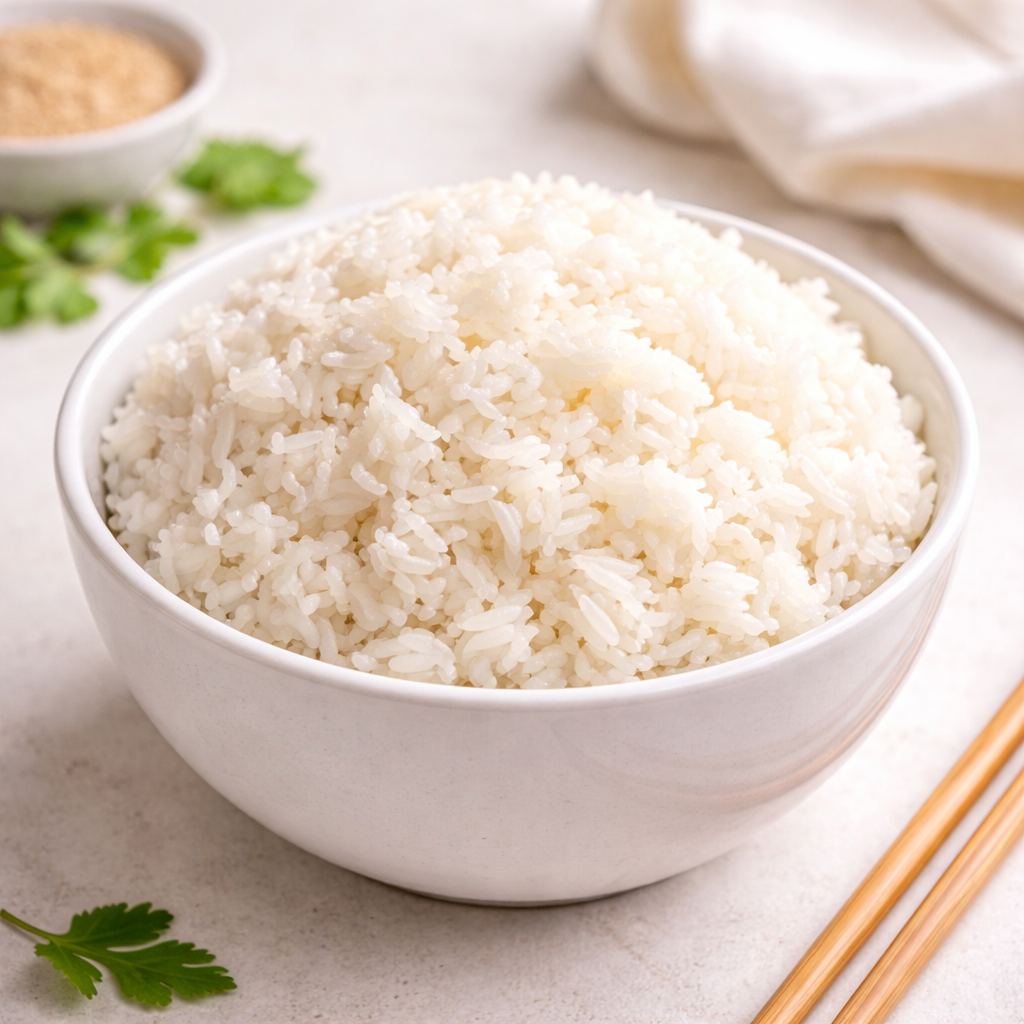
Opting for steamed rice recipes over other preparation methods like pilaf (frying before simmering) or boiling offers several distinct culinary and nutritional benefits:
- Nutrient Retention: Because the rice is not drained, water-soluble vitamins (such as B-vitamins) and minerals are retained within the grain rather than being discarded with the excess water.
- Texture Control: Steaming allows for the most precise control over grain separation. This is essential for dishes where “mushiness” is a failure, such as fried rice or poke bowls.
- Purity of Flavor: By using only water and heat, the natural fragrance of high-quality rice—such as the floral notes of Jasmine or the nuttiness of Basmati—is preserved without interference from oils or heavy seasonings.
- Versatility: Steamed rice provides a neutral pH and flavor profile, making it the ideal accompaniment to highly acidic, spicy, or salty main courses.
Ingredient Selection and Preparation
The success of steamed rice recipes begins long before the heat is applied. The variety of rice chosen dictates the water-to-grain ratio and the necessary preparation steps.
Choosing the Grain
- Long-Grain (Jasmine/Basmati): These contain higher levels of amylose, a starch that keeps grains firm and separate. They are the primary choice for most steamed rice recipes.
- Short-Grain (Japanese/Calrose): Higher in amylopectin, these grains are naturally stickier and require a more delicate steaming approach to prevent them from becoming a solid mass.
The Importance of Rinsing
Rinsing is a non-negotiable step in professional rice preparation. Always rinse your rice in a fine-mesh sieve under cold running water until the water runs clear. This process removes excess surface starch, which is the primary cause of gummy, sticky rice. For certain varieties like Basmati, a 30-minute soak post-rinse is recommended to allow the grains to elongate during the steaming process.
Water Quality
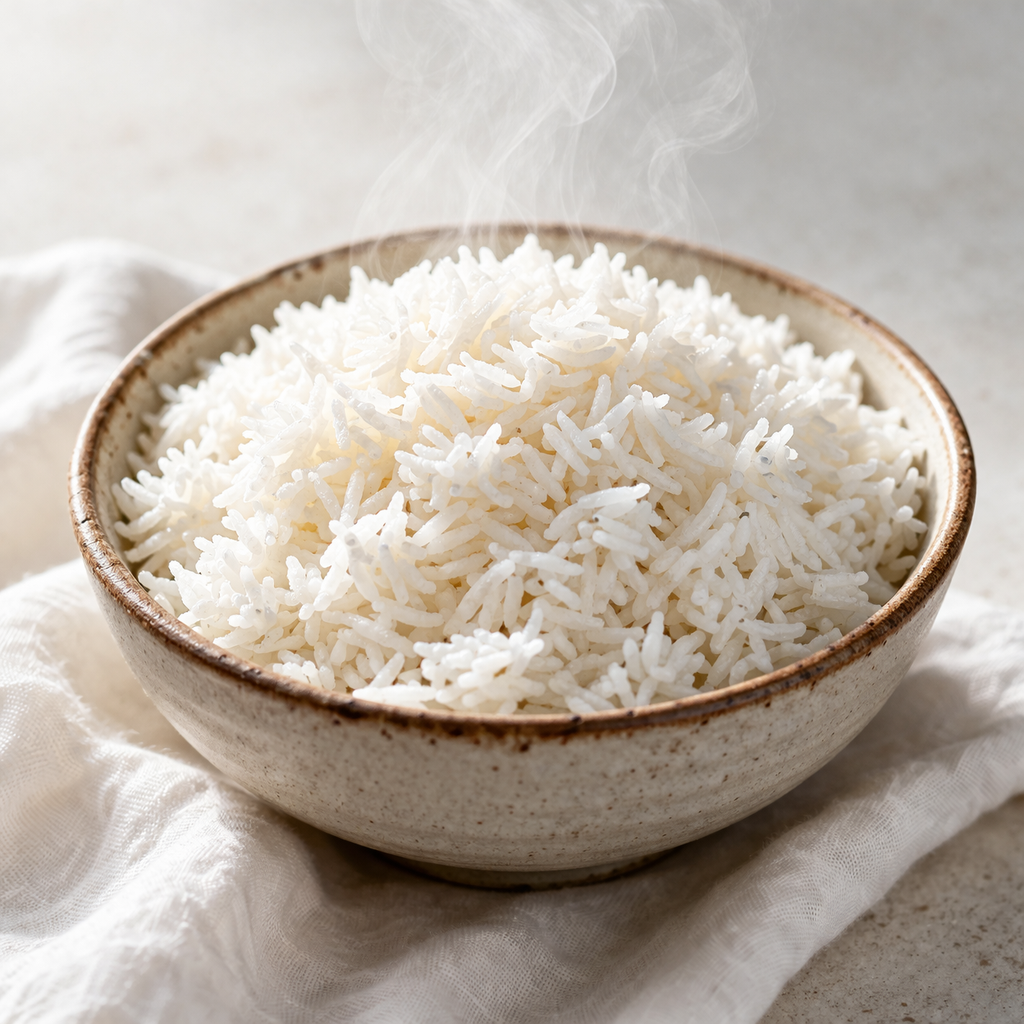
Since the rice will absorb all the liquid in the pot, the quality of your water matters. Filtered water is preferred to ensure that chlorine or mineral heavy-tastes do not permeate the delicate grain.
Required Kitchen Equipment
To execute steamed rice recipes with accuracy, the right tools are required to manage steam pressure and heat distribution.
- Heavy-Bottomed Pot with a Tight-Fitting Lid: The heavy base prevents hot spots that cause the bottom layer to burn. The tight lid is crucial for trapping the steam required to cook the top layer of grains.
- Electric Rice Cooker: These devices use internal thermostats to detect when all water has been absorbed, automatically switching to a “warm” setting.
- Bamboo Steamer: For a traditional approach, rice can be placed in a cheesecloth-lined bamboo steamer over a wok of boiling water. This method produces the fluffiest results as it prevents the rice from sitting in liquid.
- Fine-Mesh Sieve: Essential for the rinsing process described above.
- Rice Paddle (Shamoji): A wide, flat tool designed to “fold” the rice after cooking without mashing the grains.
Cooking Duration and Temperature Control
In steamed rice recipes, time and temperature are the variables that determine the degree of starch gelatinization.
- Initial Boil: The water should be brought to a boil over high heat.
- The Simmer: Once boiling, the heat must be reduced to the lowest possible setting.
- Resting Period: This is the most critical phase. After the heat is turned off, the rice must rest, undisturbed, for at least 10 to 15 minutes. This allows the moisture to redistribute evenly through the grains.
Standard Ratios
- White Jasmine: 1 cup rice to 1.5 cups water.
- White Basmati: 1 cup rice to 1.75 cups water.
- Brown Rice: 1 cup rice to 2 cups water (requires longer duration).
Detailed Steamed Rice Recipes Instructions
1. The Preparation Phase
Measure your desired quantity of rice. Place it in a bowl or sieve and rinse thoroughly. If you are using an aromatic long-grain variety, consider soaking it for 20 minutes to improve the final texture.
2. The Absorption Method
Place the rinsed rice and the measured water into your heavy-bottomed pot. Add a pinch of salt if desired. Bring the water to a rolling boil uncovered.
3. Sealing the Steam
As soon as the water reaches a boil, stir once to ensure no grains are sticking to the bottom. Place the lid on tightly and reduce the heat to low. For an even better seal, you can place a clean kitchen towel between the pot and the lid (ensuring the edges are safely away from the heat source).
4. The Active Cook
For white rice, cook for 15 to 18 minutes. For brown rice, this may take 40 to 45 minutes. Do not lift the lid during this time. Lifting the lid releases the accumulated steam and lowers the internal temperature, which will ruin the consistency.
5. The Rest and Fluff
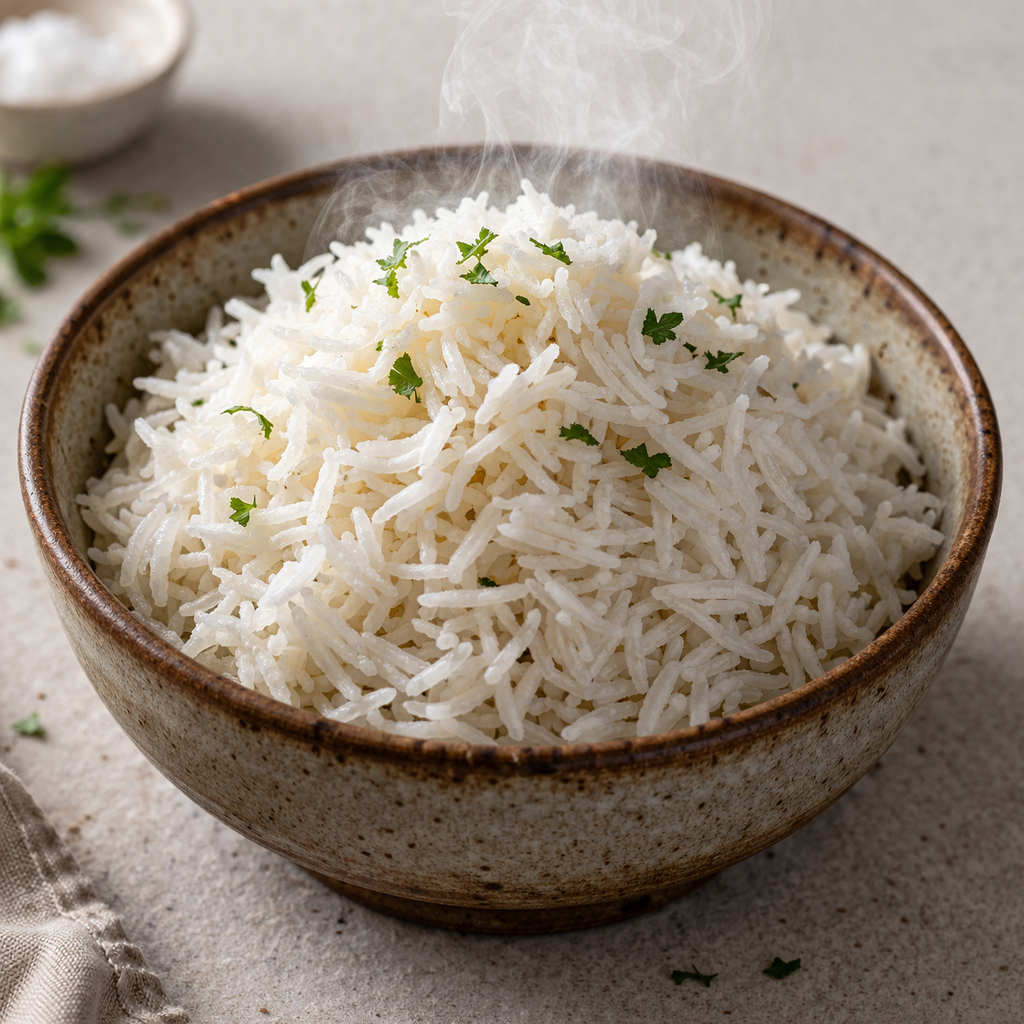
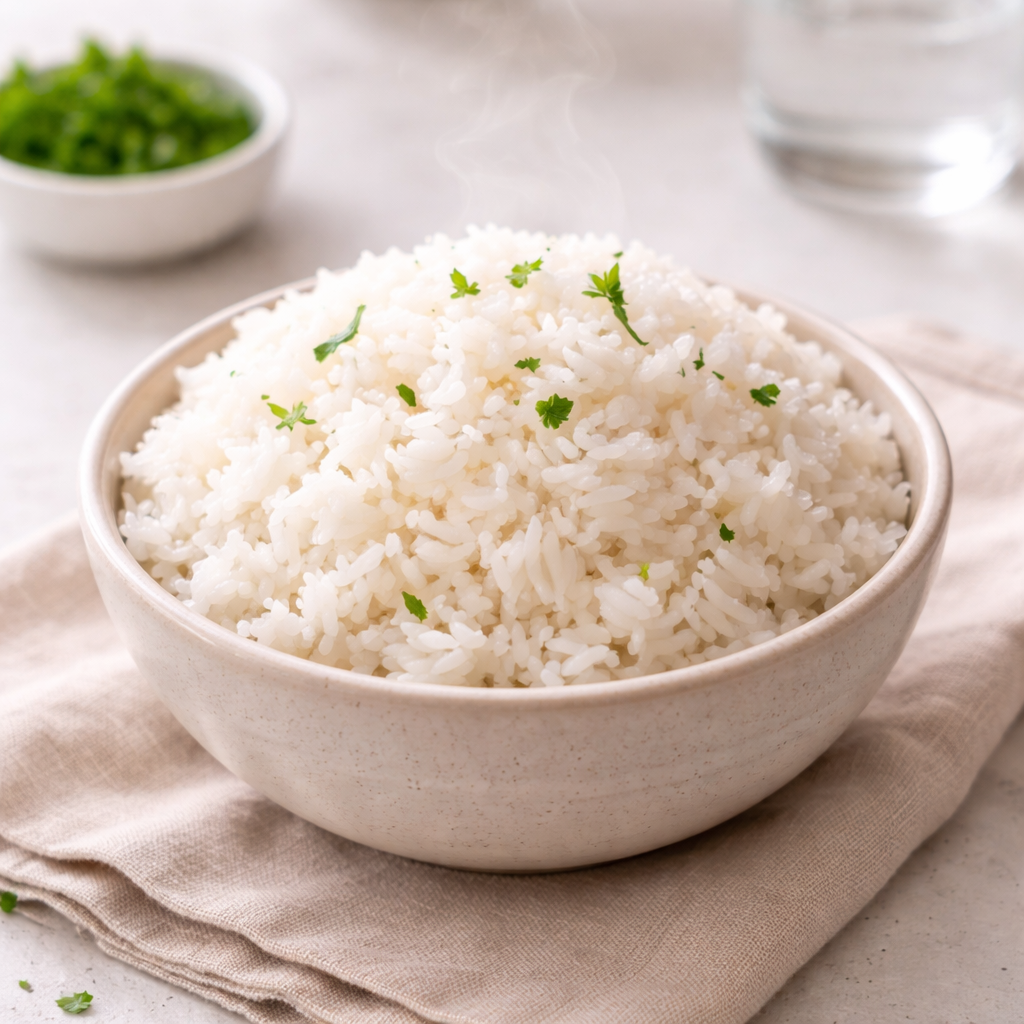
Remove the pot from the heat source. Let it stand for 10 minutes with the lid still on. After 10 minutes, remove the lid and use a rice paddle or fork to gently fluff the rice. This releases the last bit of steam and prevents the grains from sticking together as they cool.
Troubleshooting Common Cooking Issues
Even following high-quality steamed rice recipes can sometimes lead to imperfect results due to altitude, pot size, or burner intensity.
- Problem: Rice is too crunchy.
- Cause: Insufficient water or the lid was not tight enough, allowing steam to escape.
- Solution: Add 2 tablespoons of boiling water, replace the lid, and simmer on low for an additional 5 minutes.
- Problem: Rice is mushy or wet.
- Cause: Too much water was used or the rice was over-rinsed.
- Solution: Next time, reduce the water by 1/4 cup. To save a current wet batch, spread it on a baking sheet and place it in a low oven (200°F) for 10 minutes to dry out.
- Problem: The bottom is burnt.
- Cause: The heat was too high during the simmer phase or the pot has a thin bottom.
- Solution: Use a heat diffuser or ensure the burner is at its absolute lowest setting.
- Problem: Rice is gummy.
- Cause: Skipping the rinsing step or stirring the rice too much while it was cooking. Stirring releases more starch into the liquid.
Steamed Rice Recipes FAQ
Can I use a microwave for steamed rice recipes?
While possible, a microwave does not provide the same even heat distribution as a stovetop or steamer. If using a microwave, use a covered, vented container and a 1:2 rice-to-water ratio, cooking on high for 15 minutes.
Why is my rice sticking to the bottom of the pot?
This is usually a result of not rinsing the starch off properly or using a pot with a thin base. Adding a teaspoon of oil or butter to the water can help prevent sticking.
How do I store and reheat steamed rice?
Steamed rice should be cooled quickly and stored in an airtight container in the refrigerator for up to 4 days. To reheat, add a splash of water and cover tightly before microwaving or heating on the stove to “re-steam” the grains.
Is brown rice prepared differently?
Yes. Brown rice retains its bran and germ, which act as a waterproof barrier. It requires more water (1:2 ratio) and a significantly longer cooking time (45 minutes) to achieve a tender texture.
Can I add flavors to the steaming water?
Absolutely. While water is traditional, you can substitute chicken or vegetable broth for half of the water. Adding a clove of garlic, a slice of ginger, or a bay leaf to the pot can also subtly infuse the rice with flavor.
By mastering these steamed rice recipes, you gain the ability to provide a perfect, professional accompaniment to any meal. Success lies in the details: the thoroughness of the rinse, the tightness of the lid, and the patience of the rest period.
Healthy Peppers and Rice Stuffed Recipe Made Simple
Simple Saffron Rice Recipe with Rich Flavor
How to Make Turmeric Rice recipe – Simple & Flavorful
Easy Shrimp Fried Rice Recipe – Quick, Flavorful & Delicious
How to Make Puerto Rican Rice recipe Like a Pro – Quick & Delicious!