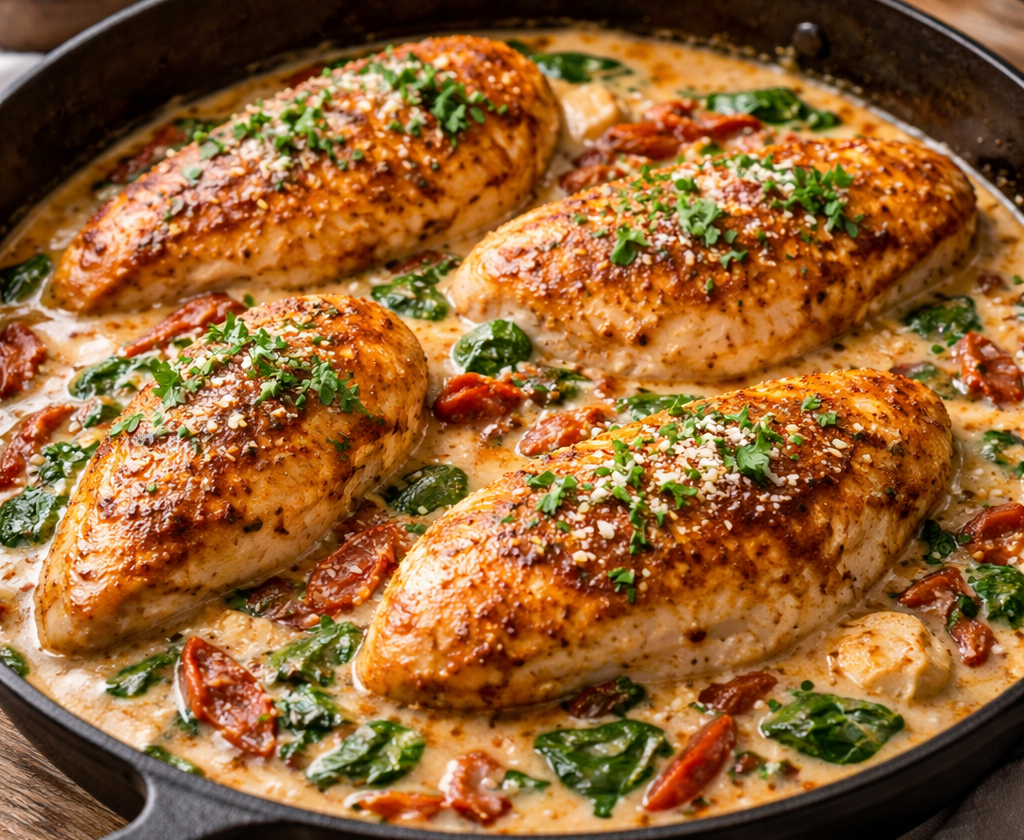
The Sun Dried Tomato Chicken Recipe is a sophisticated dish that leverages the intense, concentrated flavors of dehydrated tomatoes to enhance lean poultry. This preparation is rooted in Mediterranean culinary principles, where acidity, fat, and umami are balanced to create a complex flavor profile. Unlike fresh tomatoes, sun-dried varieties offer a chewy texture and a deep tartness that withstands high-heat cooking and braising.
Mastering this recipe requires an understanding of how to manage high-moisture proteins alongside oil-packed or dry-packed aromatics. The goal is to achieve a golden-brown sear on the chicken while emulsifying the sun-dried tomato oil into a cohesive, velvety sauce. This guide provides the technical framework necessary to produce a consistent, restaurant-quality result in a domestic or professional kitchen environment.
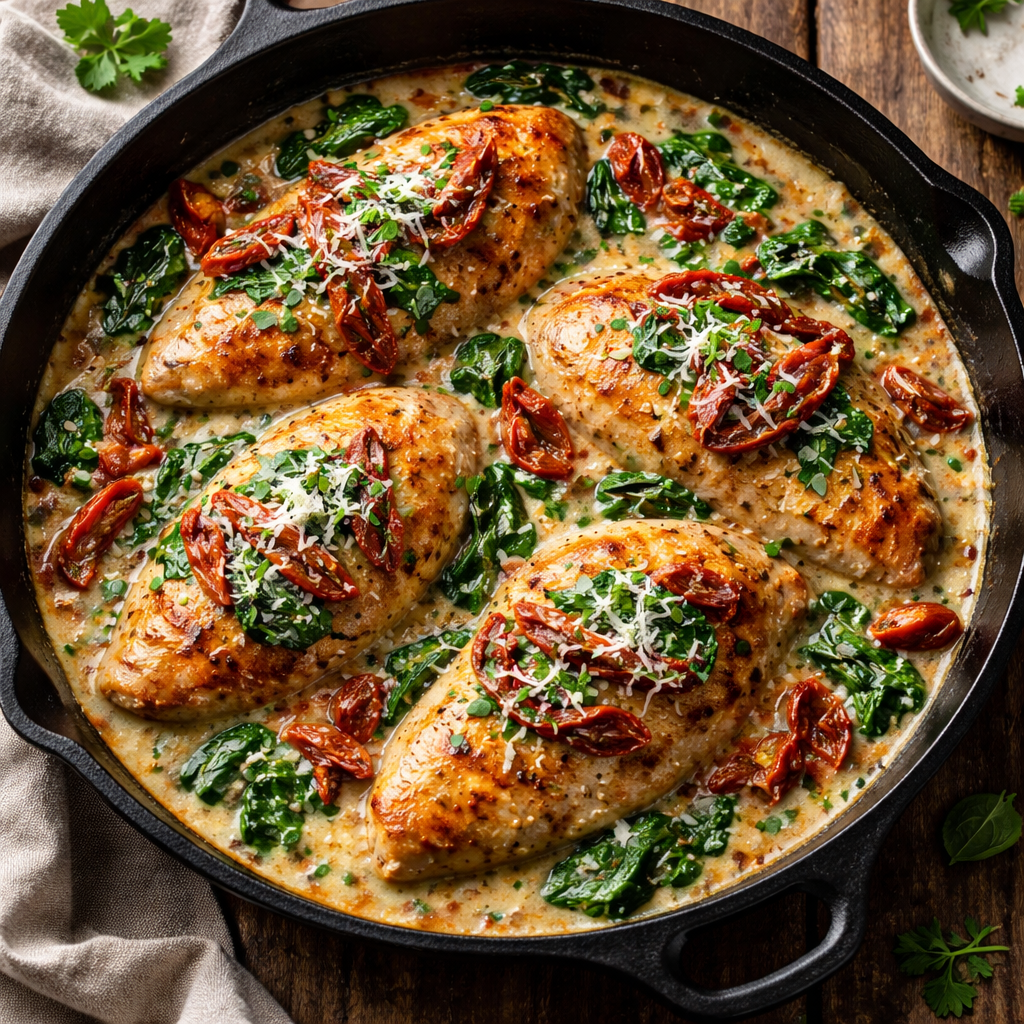
The Science Behind Sun Dried Tomato Chicken
To execute a superior Sun Dried Tomato Chicken Recipe, one must consider the chemical interactions occurring within the pan. The dish relies heavily on the Maillard reaction and the concentration of glutamates.
- Umami Concentration: Sun-dried tomatoes are exceptionally high in natural glutamates. When combined with chicken, which provides savory nucleotides, a synergistic effect occurs that significantly amplifies the perception of saltiness and depth without requiring excessive sodium.
- Maillard Reaction: Searing the chicken at the correct temperature ($140°C$ to $165°C$) creates a complex array of flavor compounds. If the pan is overcrowded, moisture release will cause the temperature to drop, leading to steaming rather than browning.
- Emulsification: The sauce in this recipe typically uses heavy cream or a starch-based thickener. The oil from the sun-dried tomatoes must be properly integrated into the aqueous base (broth or cream) to prevent a “broken” or greasy sauce appearance.
Ingredients and Quality Considerations
The quality of the final Sun Dried Tomato Chicken Recipe is directly proportional to the grade of the raw materials used.
- Chicken: Use boneless, skinless breasts or thighs. Thighs offer higher lipid content and are more resistant to overcooking, while breasts provide a leaner, more uniform appearance.
- Sun-Dried Tomatoes: Oil-packed tomatoes are preferred for their supple texture. If using dry-packed tomatoes, they must be reconstituted in warm water or broth for 20 minutes prior to use.
- Fats: Utilize the oil from the sun-dried tomato jar for searing. This oil is pre-infused with the essence of the tomatoes and often contains supplementary herbs.
- Liquid Base: High-quality chicken stock and heavy cream (minimum 36% milkfat) are essential for a stable, rich sauce.
- Aromatics: Fresh garlic, shallots, and spinach. The spinach provides a necessary bitter contrast to the rich cream and sweet-tart tomatoes.
Sun Dried Tomato Chicken Equipment and Setup
Technical precision is facilitated by the use of appropriate culinary tools.
- Stainless Steel or Cast Iron Skillet: These materials provide high thermal mass, which is essential for maintaining searing temperatures when cold meat is added to the pan.
- Digital Instant-Read Thermometer: This is the only reliable method to verify internal doneness and ensure food safety.
- Tongs: To allow for precise manipulation of the protein without piercing the meat and losing internal juices.
- Whisk: Essential for emulsifying the cream into the pan juices to create a smooth sauce.
- Mise en Place Bowls: All ingredients must be chopped and measured before cooking begins, as the sauce-building phase moves rapidly.
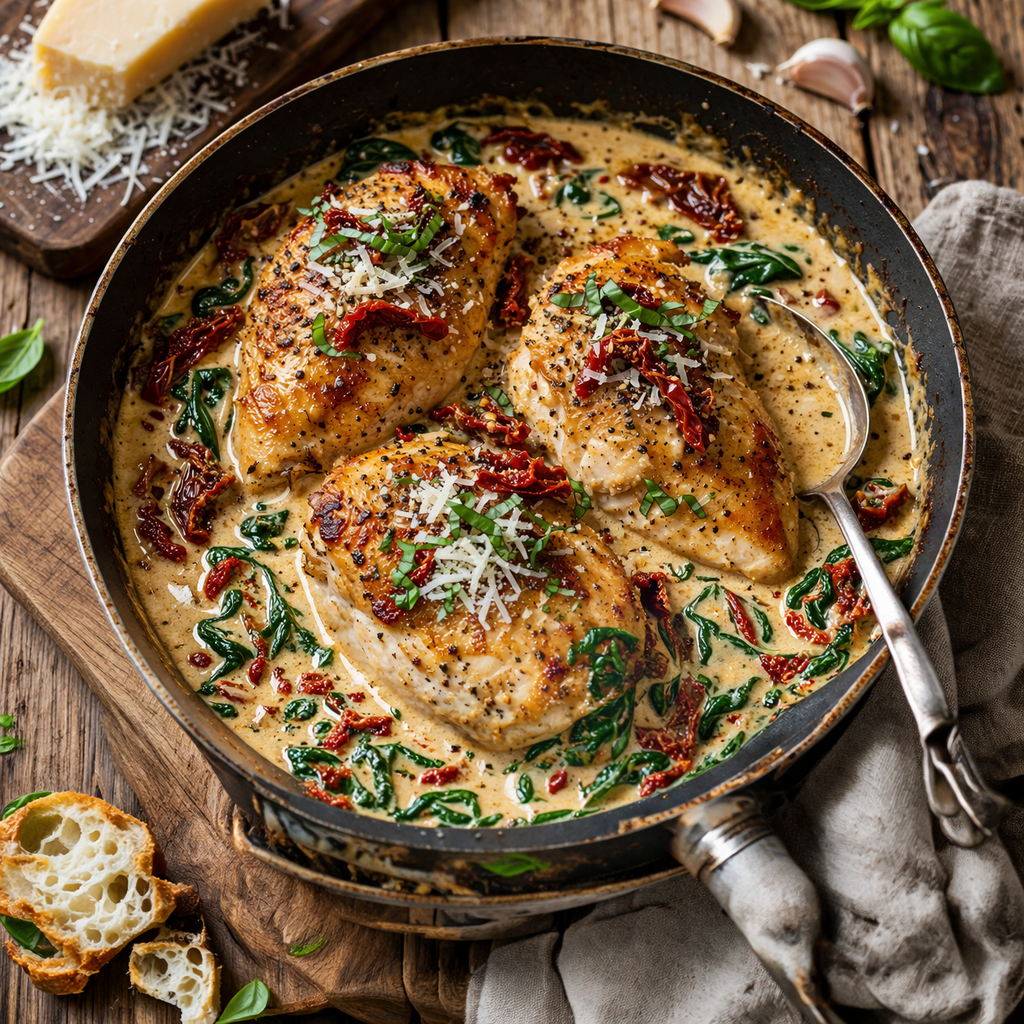
Safe Temperature and Time Standards
Food safety is paramount when preparing any Sun Dried Tomato Chicken Recipe. Following established USDA guidelines ensures the elimination of pathogens such as Salmonella.
- Target Internal Temperature: The chicken must reach an internal temperature of 165°F (74°C).
- Prep Time: 15 minutes.
- Searing Time: 5–7 minutes per side.
- Simmering Time: 8–10 minutes.
- Carry-over Cooking: Be aware that the internal temperature will typically rise by 2°F to 5°F after the chicken is removed from the heat. Always rest the meat for 5 minutes before slicing to allow the muscle fibers to reabsorb moisture.
Sun Dried Tomato Chicken Recipe: Complete Method
1. Protein Preparation
Pat the chicken dry with paper towels to remove surface moisture. Season both sides with kosher salt and black pepper. Surface dryness is critical for achieving an optimal sear.
2. The Searing Phase
Heat 2 tablespoons of sun-dried tomato oil in the skillet over medium-high heat. Place the chicken in the pan. Cook undisturbed for 5 minutes to allow a crust to form. Flip and cook for an additional 4 minutes. The chicken should be about 80% cooked at this stage. Remove and set aside.
3. Aromatics and Deglazing
Reduce heat to medium. Add the diced shallots to the residual fat and sauté until translucent. Add minced garlic and the sun-dried tomatoes, stirring for 60 seconds. Pour in ½ cup of chicken broth to deglaze the pan, using a spatula to scrape up the “fond” (browned bits).
4. Building the Sauce
Slowly whisk in 1 cup of heavy cream. Bring to a gentle simmer. Do not allow the sauce to reach a rolling boil, as high heat can destabilize the dairy proteins and cause curdling.
5. Final Integration
Return the chicken to the skillet. Add fresh spinach and stir until wilted. Simmer for an additional 3–5 minutes until the sauce has thickened and the chicken reaches an internal temperature of 165°F (74°C).
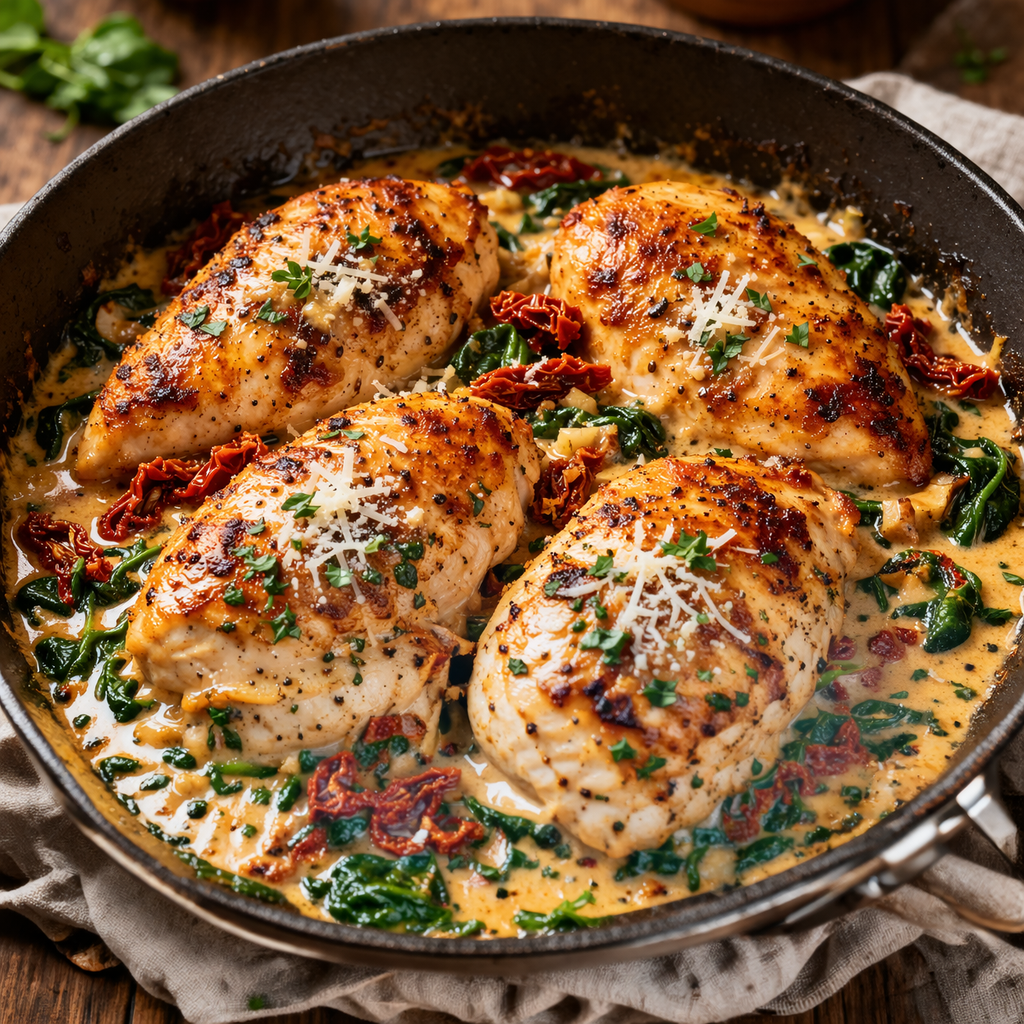
Technical Problems and Solutions
Even a standardized Sun Dried Tomato Chicken Recipe can encounter issues during execution.
- Issue: The sauce is too thin.
- Solution: Continue to simmer on low heat to evaporate excess moisture, or whisk in a small amount of freshly grated Parmesan cheese, which acts as a natural binder.
- Issue: The chicken is tough or rubbery.
- Solution: This is the result of overcooking. Use an instant-read thermometer to pull the chicken the moment it hits the safety threshold.
- Issue: The garlic is bitter.
- Solution: Garlic was likely burned during the sauté phase. Always add garlic after the shallots have softened and reduce the heat if the pan is smoking.
- Issue: The sauce has separated (Oily appearance).
- Solution: This occurs if the temperature was too high or if there wasn’t enough agitation. Whisk in a tablespoon of warm water or broth to help re-emulsify the fats.
Frequently Asked Questions on Sun Dried Tomato Chicken
Can I substitute the heavy cream?
For a lower-fat version, half-and-half can be used, but you may need a cornstarch slurry (1 tsp cornstarch mixed with 1 tsp water) to achieve the necessary thickness and prevent curdling.
How do I store leftovers?
Store the dish in an airtight container in the refrigerator for up to 3 days. When reheating, add a splash of milk or broth to the pan to loosen the sauce, as it will thicken significantly when cold.
Is it possible to use dry sun-dried tomatoes?
Yes, but they must be hydrated first. Failure to hydrate dry-packed tomatoes will result in a tough, unpalatable texture that can detract from the overall quality of the dish.
Can this recipe be prepared in a slow cooker?
While possible, you will lose the textural benefits of the sear. If using a slow cooker, it is recommended to sear the chicken on the stovetop first before transferring it to the device.
By adhering to these technical standards, the Sun Dried Tomato Chicken Recipe becomes a reliable and repeatable success. Focus on temperature control and ingredient quality to ensure a professional result.
The Best Chipotle Honey Chicken Recipe for Dinner Tonight
The Best Nashville Hot Chicken Recipe You’ll Ever Try
The Best Bourbon Chicken Recipe for Dinner Tonight
The Best Mississippi Chicken Recipe for Comfort Food Lovers
The Best Chicken Cutlet Recipes for Weeknight Dinners
Easy Chicken Adobo Recipe You Can Make at Home Tonight
Thin Sliced Chicken Breast Recipes – Quick, Healthy & Delicious