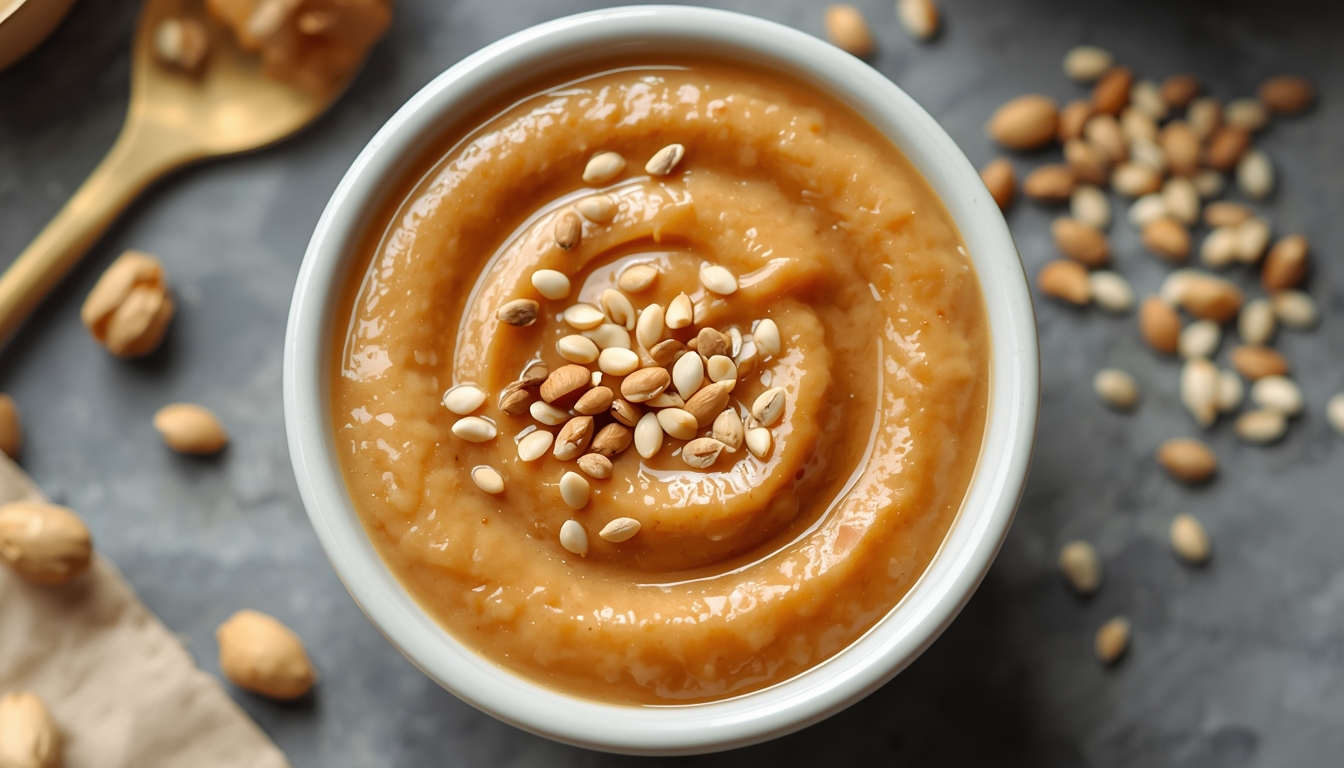
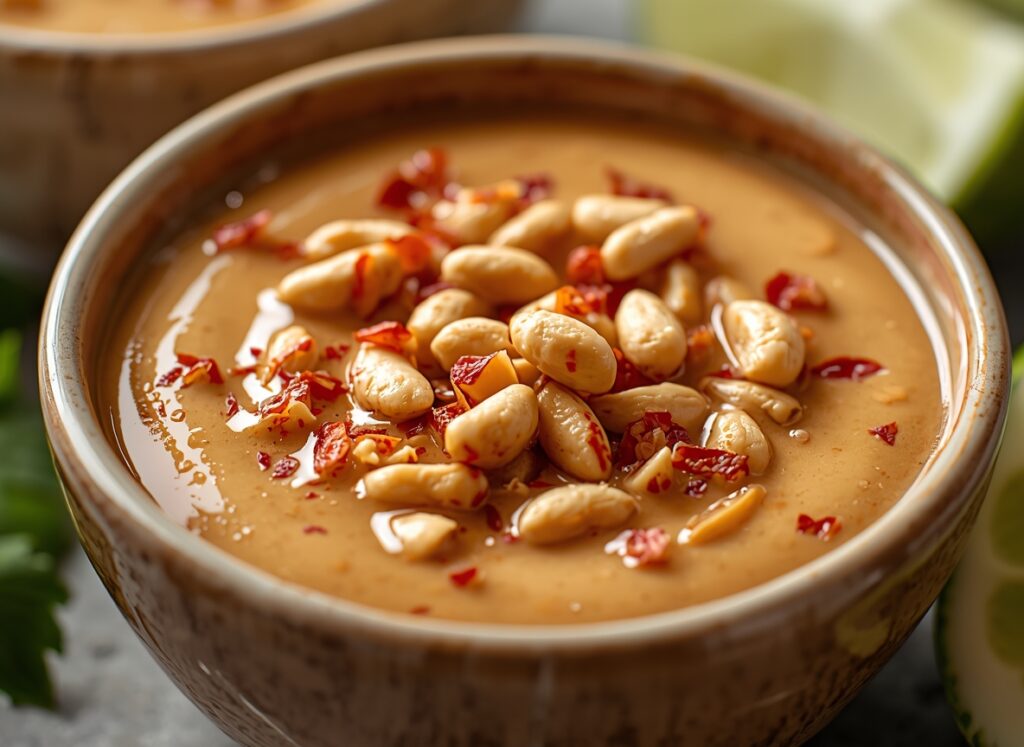
Thai Peanut Sauce Recipe Thai peanut sauce shows up everywhere, from street food stalls in Bangkok to your local takeout menu. But those store-bought jars? They often taste too sweet or run like water, leaving you wanting more. This easy Thai peanut sauce recipe fixes that fast. You’ll whip up a creamy, flavorful version at home in under 10 minutes, with real balance that beats anything in a bottle.
Peanut-based sauces have fans worldwide, thanks to their nutty richness and bold kick. In Thailand, it’s a staple for satay or noodle bowls. Making it yourself means fresh ingredients and no weird additives. You control the taste, and it always turns out thick and smooth. Get ready to transform your dips and dressings with this homemade gem.
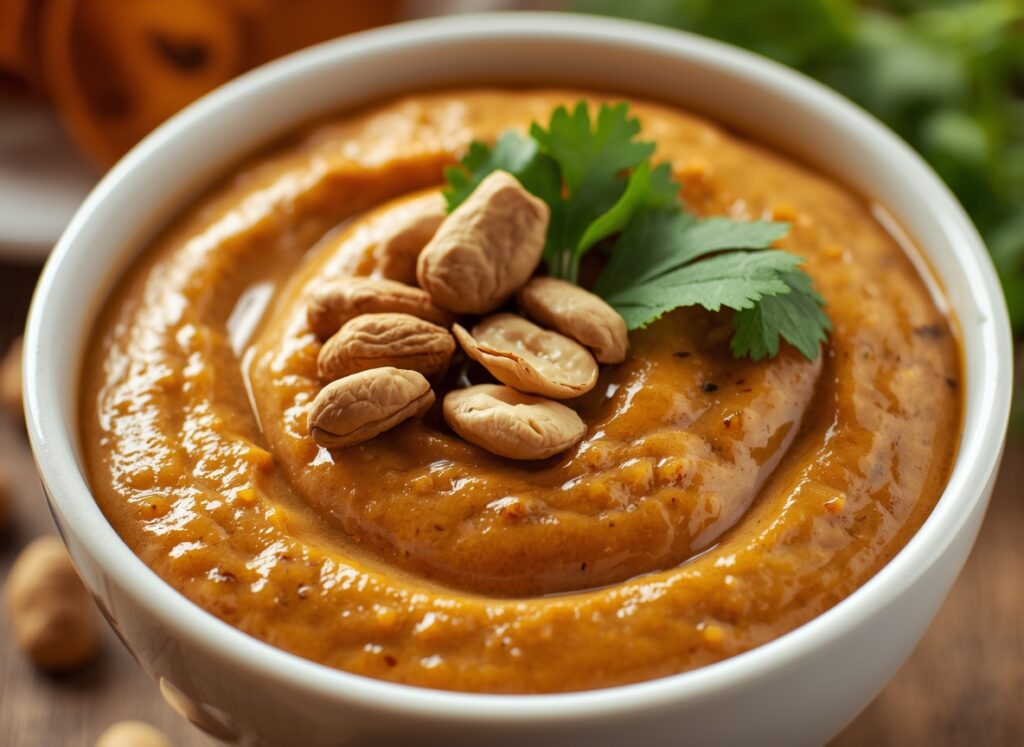
The Anatomy of Perfect Peanut Sauce: Ingredients Decoded
Great peanut sauce starts with the right building blocks. Each part plays a key role in that creamy texture and layered taste. Let’s break it down so you can nail it every time.Thai Peanut Sauce Recipe
Why Creamy Peanut Butter is Non-Negotiable
Creamy peanut butter forms the base of your Thai peanut sauce recipe. It gives that velvety smoothness without chunks getting in the way. Skip the crunchy kind; it ruins the flow.
Natural peanut butter works best here. It has just peanuts and maybe a touch of salt, so you add flavors as you like. Processed versions with sugar can make the sauce too sweet right away. Opt for unsweetened if you can. That way, you keep full control over the final taste. Trust me, one wrong choice here, and your sauce might not emulsify right.Thai Peanut Sauce Recipe
Balancing the Five Flavors: Sweet, Salty, Sour, Spicy, Umami
Thai food shines with harmony among sweet, salty, sour, spicy, and umami. Your easy Thai peanut sauce needs all five for depth. It’s like a flavor orchestra, each note hitting just right.Thai Peanut Sauce Recipe
For sweet, use maple syrup or honey. It rounds out the nuts without overpowering. Soy sauce or tamari brings salty and umami notes, adding that savory backbone. Lime juice hits sour, cutting through the richness like a bright spark. Sriracha or chili garlic sauce delivers spice, waking up your taste buds.
Here’s a quick list of key ingredients and their jobs:Thai Peanut Sauce Recipe
- Maple syrup (2 tablespoons): Adds gentle sweetness.
- Soy sauce (2 tablespoons): Provides salt and umami punch.
- Lime juice (1 tablespoon): Brings tangy sourness.
- Sriracha (1 teaspoon): Kicks in the heat.
Mix these well, and you’ll get that authentic Thai vibe. No single flavor dominates; they dance together.
The Secret to Smoothness: Achieving the Right Liquid Consistency
Liquids thin out the peanut butter for a pourable sauce. Water, coconut milk, or veggie broth do the trick. Coconut milk adds extra creaminess and a hint of tropical flair.Thai Peanut Sauce Recipe
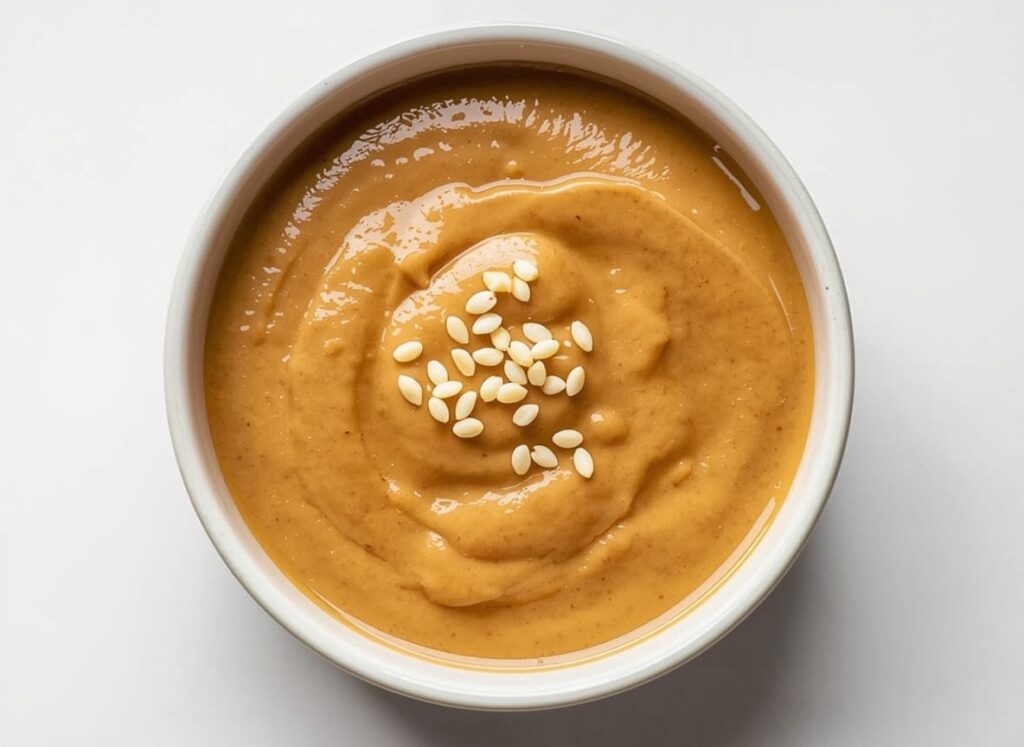
Start with a splash, then add more as needed. Pour slowly while stirring to avoid lumps. It’s like folding in batter for pancakes; rush it, and you get a mess. Aim for a consistency like heavy cream. Too thick? More liquid. Too thin? A bit more peanut butter.
This step takes practice, but once you get it, your creamy Thai peanut sauce will glide over everything. Pro tip: Warm liquids slightly for better blending.Thai Peanut Sauce Recipe
Step-by-Step Guide to the Easiest Peanut Sauce
Now for the fun part. This recipe keeps things simple, with no stove required. You’ll have a batch ready before your veggies are chopped.
Prep Work: Measuring and Pre-Mixing Dry Ingredients
Gather your tools: a bowl, whisk, or blender. Measure everything first to save time. It’s like prepping ingredients for a quick stir-fry.Thai Peanut Sauce Recipe
Mix dry bits together in a small bowl. That means sugar or spices if you’re using them. Stir until even. This prevents clumps when liquids join in. For our easy Thai peanut sauce recipe, combine 1/2 cup creamy peanut butter with your sweeteners and salts here. It ensures flavors spread out nice and uniform.
The Blending Technique: Achieving Emulsification Without Heat
No need to cook this sauce. Just blend it cold for fresh taste. Use a whisk in a bowl for small batches, or a food processor for ease.Thai Peanut Sauce Recipe
Scoop peanut butter into your vessel. Add pre-mixed dries. Then drizzle in liquids bit by bit. Whisk vigorously until it comes together, like making mayo from scratch. If lumps form, warm the peanut butter in the microwave for 10 seconds. That softens it without cooking.
Blenders work great too. Pulse on low to start. Scrape sides often. In two minutes, you’ll see it turn silky. This no-heat method keeps nutrients intact and flavors bright.
Adjusting Consistency and Flavor After Initial Mix
Taste your sauce now, before you thin it all the way. It’s easier to fix bold flavors early. Dip a spoon and see what it needs.Thai Peanut Sauce Recipe
For more sour, squeeze in extra lime. Too salty? A touch of water balances it. Spice level off? Add chili drop by drop. Stir well after each tweak. Remember, flavors mellow a bit as it sits.
Once happy, add remaining liquid for your desired thickness. This step makes your homemade peanut sauce truly yours. Test on a cracker if you want.Thai Peanut Sauce Recipe
Customizing Your Thai Peanut Sauce: Variations and Upgrades
One recipe, endless tweaks. Adapt it for diets or moods. This boosts its everyday appeal.Thai Peanut Sauce Recipe
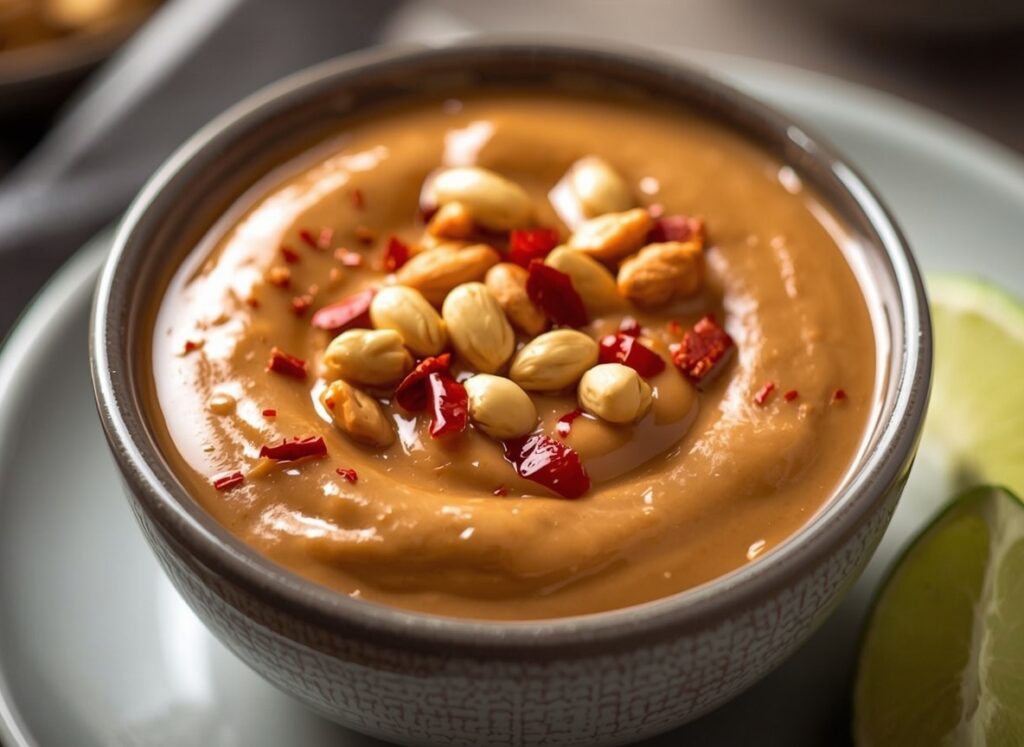
Vegan and Gluten-Free Substitutions
Keep it vegan by swapping honey for maple syrup or agave. Both bring sweet without animal products. It’s a simple switch that keeps the sauce lush.Thai Peanut Sauce Recipe
For gluten-free, use tamari instead of soy sauce. It has no wheat and tastes just as good. If nuts are out, try sunflower seed butter. It mimics the creaminess fine.
These changes make your creamy Thai peanut sauce inclusive. No one misses out on the fun. Test a small batch first to check the vibe.
Boosting the Umami Factor: Advanced Flavor Layers
Want deeper taste? Add a splash of fish sauce if you’re not vegan. It amps up that savory edge without overpowering.
Fresh ginger, grated fine, brings warmth. Just a teaspoon does it. Sesame oil, a few drops, adds nutty richness. These layers turn basic sauce into something special.
Stir them in during blending. Taste as you go. It’s like adding secret spices to grandma’s chili. Your friends will ask for the recipe.
Controlling the Heat: From Mild Drizzle to Fiery Dip
Spice is personal. Start mild with a pinch of chili flakes. They give gentle warmth.
For more kick, grab sambal oelek. It’s fresh and garlicky, perfect for medium heat. Chili garlic sauce works too, with a bit more tang. Build it up: taste after each addition.
Mild suits kids or salads. Fiery fits bold palates on wings. Adjust so it matches your meal. This control makes the recipe versatile.Thai Peanut Sauce Recipe
Creative Applications: Beyond the Spring Roll
Don’t stop at apps. This sauce shines in mains and sides. Let’s explore ways to use it.
The Ultimate Protein Pairing: Marinades and Glazes
Thicken your sauce a tad for marinades. Mix in a bit more peanut butter. Coat chicken, tofu, or shrimp and let sit 30 minutes.Thai Peanut Sauce Recipe
Grill or bake as usual. It caramelizes nice, like in Thai satay. For tofu, press it first for best soak. This turns simple proteins into stars.
Dressing Up Salads and Noodle Bowls
Thin the sauce with extra water or lime juice. It becomes a pourable dressing. Drizzle over cold noodles or slaws.
Try it on shredded cabbage, carrots, and cilantro. Toss gently. The creaminess clings without sogginess. It’s a fresh take on Asian salads.
Stir-Fry Integration: Finishing Touches
Add sauce at the end of stir-fries. Sugars burn if you cook too long. Toss in off heat or last minute.
It coats veggies and meat perfectly. Use on broccoli and chicken for a quick dinner. The heat from the wok warms it just right.
Authentic Béarnaise Sauce Recipe Made Simple
The Best Easy Alfredo Sauce Recipe for Pasta Nights
How to Make Jerk Sauce recipe at Home – Easy & Flavorful
Alaskan Salmon Recipes – Healthy, Delicious & Easy to Make
Remoulade Sauce Recipe – Tangy, Creamy & Easy to Make
Easy Thai Peanut Sauce Recipe – Creamy & Flavorful – FAQ
What is Thai peanut sauce made of?
It usually includes peanut butter, soy sauce, lime juice, garlic, and a sweetener.
Is Thai peanut sauce spicy?
It can be mild or spicy depending on how much chili or sriracha you add.
Can I make it vegan?
Yes, use plant-based sweeteners and soy sauce.
What can I use this sauce for?
Great for noodles, stir-fries, salads, spring rolls, and grilled meats.
Can I make it ahead of time?
Yes, it stores well in the fridge for up to a week.
How do I thin the sauce?
Add warm water or coconut milk slowly until desired consistency.
Can I use crunchy peanut butter?
Yes, but smooth peanut butter gives a creamier sauce.
Does it need cooking?
No, it can be mixed raw, though gentle heating enhances flavor.
Conclusion: Your New Go-To Sauce Staple
This easy Thai peanut sauce recipe delivers creamy, flavorful results with minimal effort. You balance tastes like a pro and control every texture. Homemade beats store-bought every time.
Key points: Start with quality peanut butter, mix flavors evenly, and tweak to taste. Store in the fridge and use it often. Whip up a batch today. Your meals will thank you. Share how you use it in the comments!
Storage and Shelf Life Tips
Keep your sauce in an airtight jar in the fridge. It lasts 1 to 2 weeks easy. Stir before each use; it might separate.Thai Peanut Sauce Recipe
To reheat, microwave in short bursts or warm on low stove. Add a splash of water if thick. Freeze in ice cube trays for portions. Thaw as needed. This way, fresh sauce is always handy.