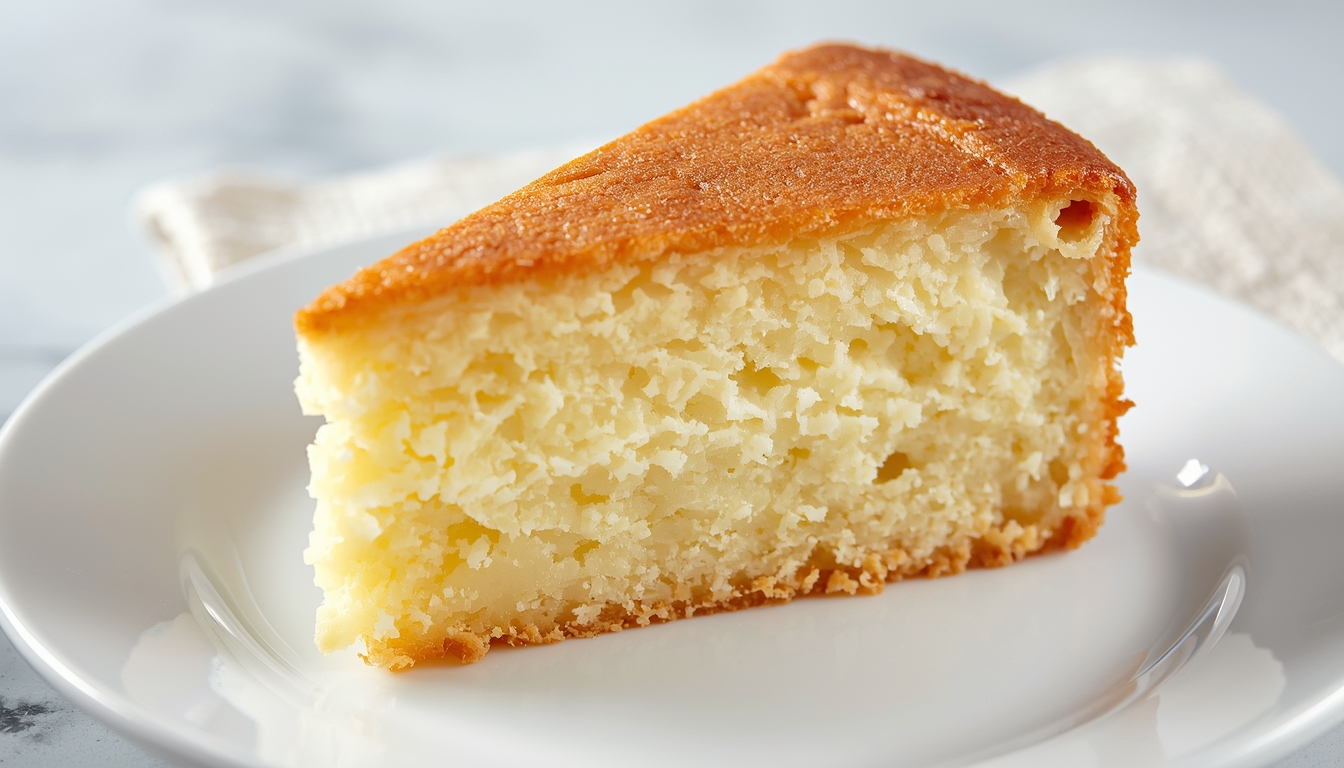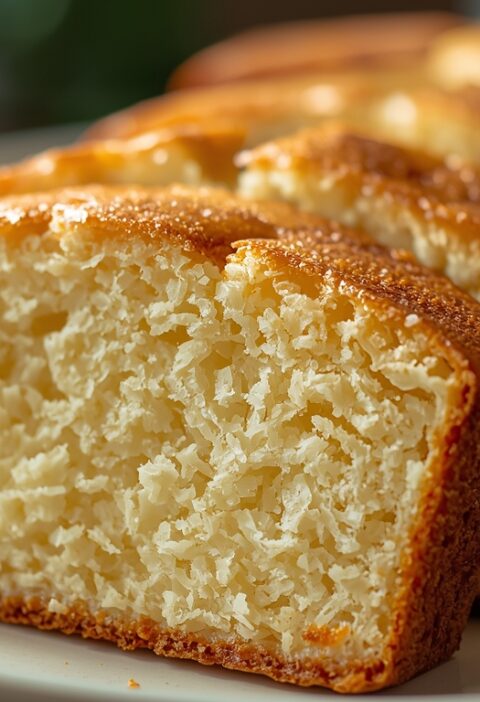
Vasilopita Cake Recipe For many home bakers, the process of baking a cake is often fraught with anxiety. It is one of the few areas of cooking where you cannot easily adjust the flavor or texture once the dish has entered the heat. The most frequent complaints involve cakes that look beautiful in the oven only to collapse upon cooling, or a crumb that feels dry and “mealy” rather than tender and moist. These issues usually stem from a lack of structural balance—either the batter was over-aerated, or the ratio of fats to flour was slightly off.
Another significant hurdle is flavor depth. Many standard sponge cakes can taste one-dimensional, relying purely on sugar for appeal. Furthermore, the “sturdiness” of a cake is a common problem; a cake that is too light cannot hold decorations or withstand the tradition of being sliced into many portions for a crowd. Transitioning to a more robust, traditional recipe often addresses these technical failures while providing a more meaningful baking experience.
Why Vasilopita Cake Recipe Solves These Problems
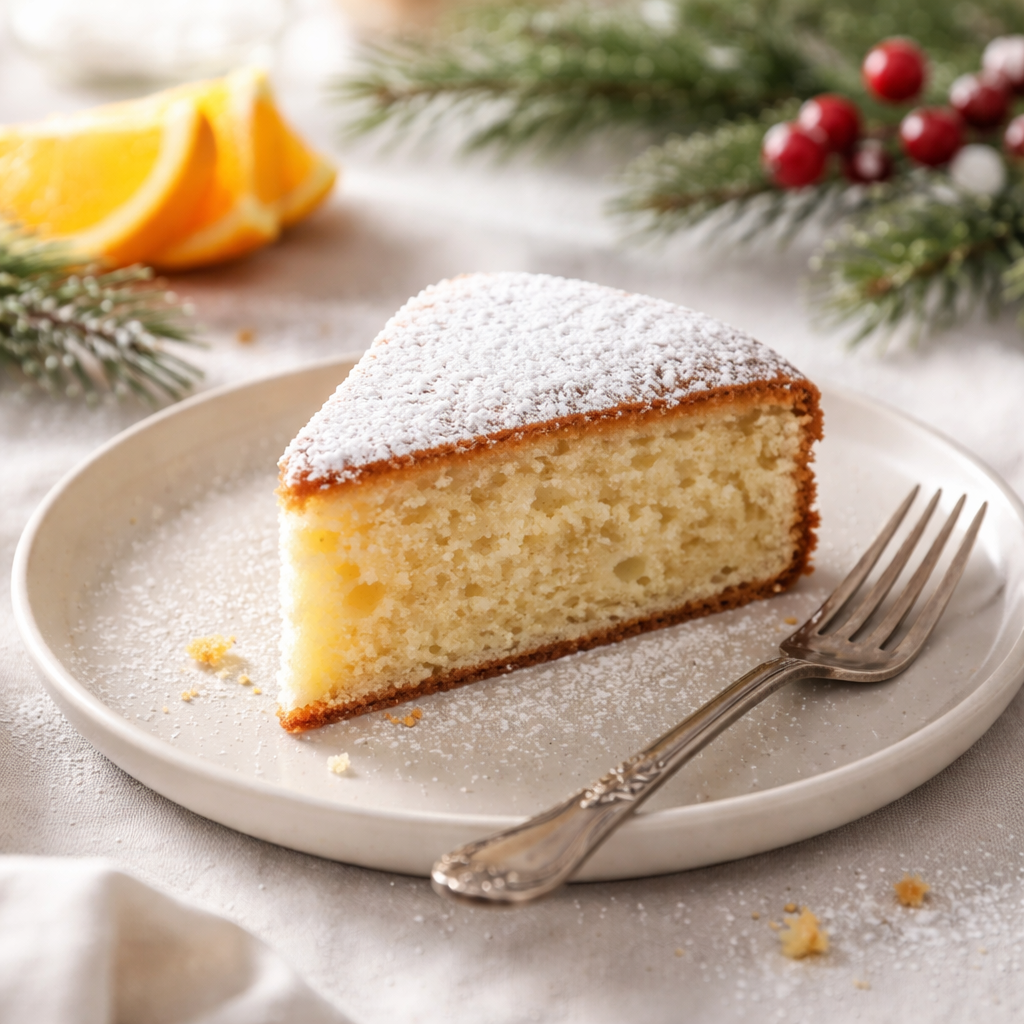
The Vasilopita Cake Recipe, a traditional Greek New Year’s cake, is specifically engineered to solve the most common “cake failures.” Unlike delicate chiffons, Vasilopita is a dense, aromatic, and sturdy cake. It is designed to hold a hidden coin (the flouri), which means it must have a strong crumb structure that won’t fall apart or sink in the middle.
This recipe utilizes a high ratio of aromatics—usually orange zest, brandy, and mahlab—which ensures that the cake is fragrant and flavorful without being cloying. Because it often uses a combination of butter and yogurt (or a high number of eggs), it retains moisture far better than a standard yellow cake. For the baker who struggles with dry results, the Vasilopita Cake Recipe offers a reliable “safety net” through its ingredient density and the specific way the proteins are developed during mixing.
Ingredient Handling for Better Control
Success with a Vasilopita Cake Recipe starts long before the oven is preheated. How you treat your raw materials determines the final texture.
The Temperature of Fats and Eggs
One of the most common reasons for a dense, “leathery” cake is the use of cold ingredients. When you cream butter and sugar, you are creating microscopic air pockets. Cold butter will not hold air, and cold eggs will cause the butter to seize, breaking the emulsion. Bold Tip: Ensure your butter, eggs, and yogurt are at room temperature (about 68°F/20°C) to create a smooth, stable batter.
Zest and Aromatics
To get the most out of your oranges, zest them directly into the sugar before you start mixing. Use your fingers to rub the zest into the sugar grains. This releases the essential oils and ensures the citrus flavor is distributed throughout the entire Vasilopita Cake Recipe, rather than clumping in one spot.
Flour Management
Vasilopita requires a balance between “soft” and “strong.” Using a high-quality all-purpose flour provides the necessary gluten to hold the coin, but you must sift it at least twice. Sifting incorporates air and prevents lumps, which is crucial in a batter that is as thick as this one.
Equipment Choices That Reduce Errors
The tools you use can either assist your technique or work against it. For a reliable Vasilopita Cake Recipe, precision is key.
- Springform Pan (10-inch): This is the best choice for this cake. Because the cake is dense, trying to flip it out of a standard cake tin can be risky. A springform pan allows you to release the sides, keeping the structure intact.
- Stand Mixer with Paddle Attachment: While a hand mixer works, a stand mixer provides the consistent power needed to cream the butter and sugar for the full 5–8 minutes required for proper aeration.
- Digital Scale: Volume measurements for flour are notoriously inaccurate. A scale ensures that you don’t accidentally add too much flour, which is the leading cause of a dry Vasilopita.
- Aluminum Foil: Keep a sheet of foil ready. Because this cake is thick and takes a long time to bake, the top often browns before the middle is set. Covering it loosely halfway through prevents a scorched crust.Preventive Planning Before Cooking
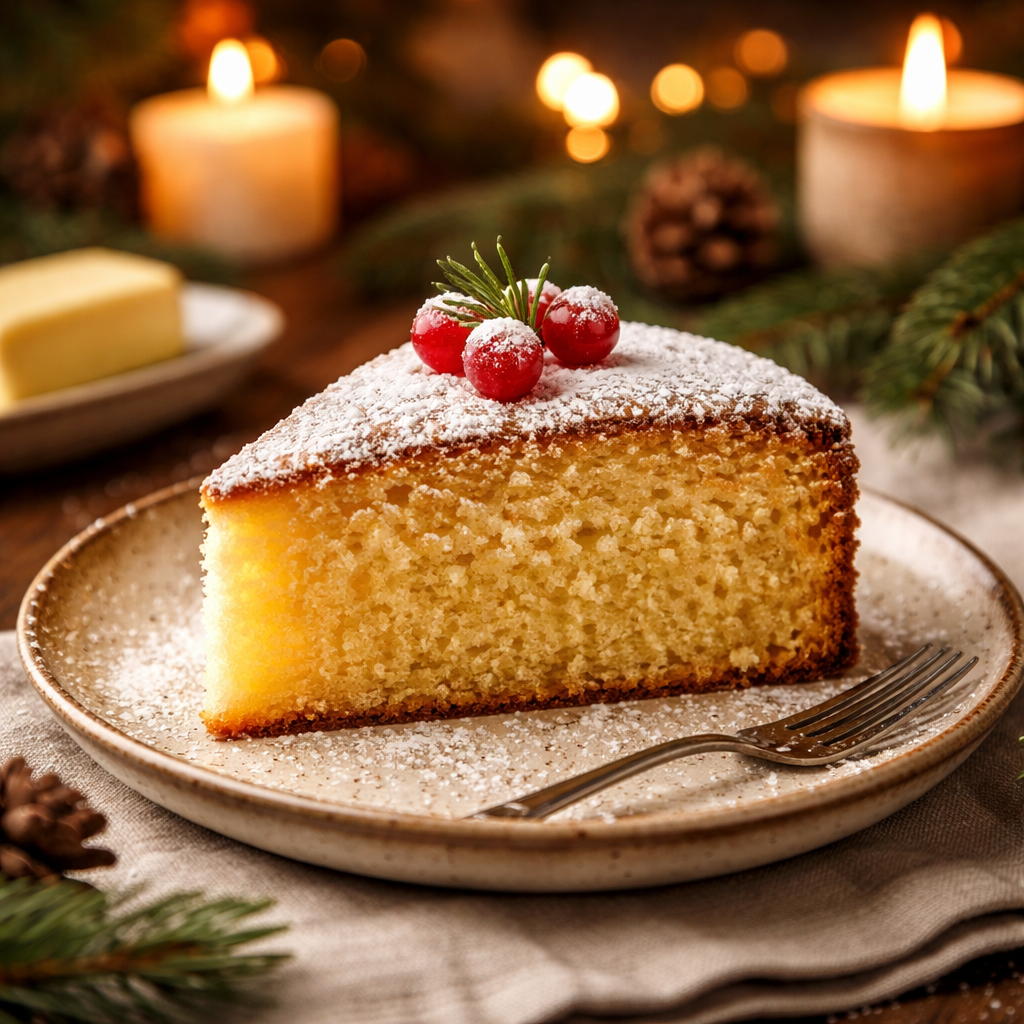
Before you start the Vasilopita Cake Recipe, walk through a mental checklist to prevent mid-bake panics.
- The Coin Preparation: If you are following the tradition of hiding a coin, boil the coin in water for 5 minutes and then wrap it tightly in aluminum foil. This is a safety and hygiene necessity.
- Oven Calibration: Most ovens do not match their digital display. If your cakes always burn on the bottom, move your rack one level higher than the center.
- Pan Preparation: Do not just “grease” the pan. Butter it, then line the bottom with parchment paper, then butter the parchment. This triple-layer of protection ensures the cake releases perfectly every time.
Executing the Vasilopita Cake Recipe
1. The Creaming Phase
In your stand mixer, beat 1 cup (250g) of unsalted butter with 1.5 cups of sugar. Do not rush this. You are looking for a pale, almost white color and a fluffy texture. This process should take at least 6 minutes.
2. The Egg Integration
Add 4 large eggs one at a time. Bold Tip: If the mixture looks like it’s curdling, add a tablespoon of your measured flour to help the emulsion bind back together. Stir in the zest of two oranges and a splash of vanilla or brandy.
3. The Alternating Method
Measure out 1 cup of whole milk (or Greek yogurt) and 3.5 cups of sifted all-purpose flour (mixed with 2 tsp baking powder). Add one-third of the flour to the butter mixture, then half the milk, and repeat, ending with the flour. Mix on the lowest speed just until combined. Overmixing at this stage is what leads to a “tough” cake.
4. Inserting the Flouri
Pour the batter into the prepared pan. Drop the foil-wrapped coin into the batter and use a spatula to smooth the surface so the location is hidden.
5. The Long Bake
Bake at 350°F (175°C) for approximately 50 to 60 minutes. After 40 minutes, check the color; if it is deep brown, tent it with foil. The cake is done when a skewer inserted in the center comes out clean.
6. The Cooling Process
Let the cake sit in the pan for 15 minutes. This allows the internal steam to settle, which firms up the crumb. Only then should you release the springform sides.
Fixing Texture or Flavor Problems
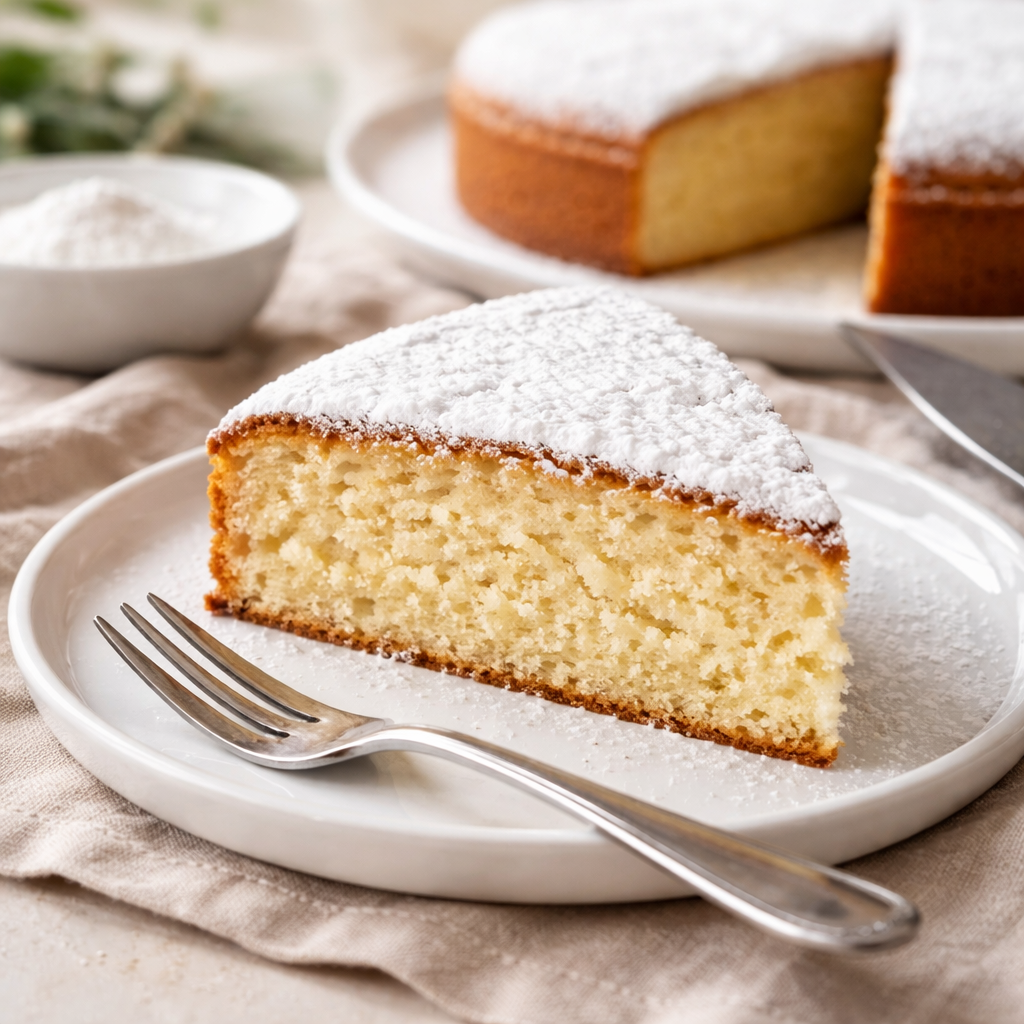
If your Vasilopita Cake Recipe didn’t turn out exactly as expected, don’t worry—most issues have a clear cause and a simple fix for next time.
- Problem: The cake is dry and heavy.
- Cause: Likely too much flour or overbaking.
- Fix: Next time, use a digital scale for the flour. If the cake is already baked, you can “save” it by brushing the warm cake with a simple syrup made of orange juice and sugar.
- Problem: The cake collapsed in the center.
- Cause: The oven door was opened too early, or the baking powder was expired.
- Fix: Never open the oven before the 40-minute mark. Always test your baking powder in a bit of hot water; if it doesn’t bubble, throw it away.
- Problem: The top is cracked.
- Cause: The oven was too hot, causing the surface to set before the cake finished rising.
- Fix: Lower your oven temperature by 15 degrees and ensure your ingredients are truly at room temperature.
- Problem: The coin sank to the very bottom.
- Cause: The batter was too thin.
- Fix: Ensure you aren’t over-whisking the eggs, which can liquefy the batter too much. A proper Vasilopita batter should be thick enough to hold a spoon upright.
Frequently Asked Questions Explained Simply
What is the best way to decorate a Vasilopita?
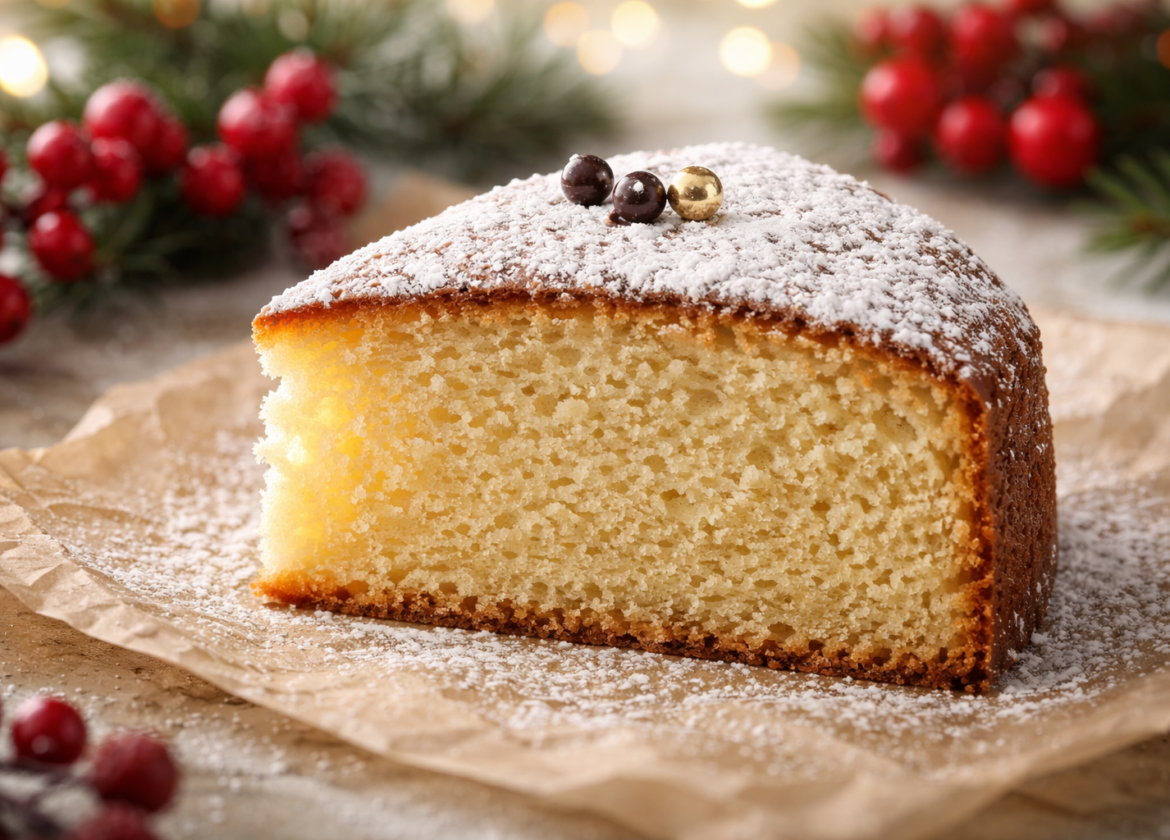
Traditionally, after the cake has cooled, you sift a heavy layer of powdered sugar over the top. Many families use stencils to create the numbers of the New Year or a cross pattern.
Can I make this cake in advance?
Yes. In fact, a Vasilopita Cake Recipe often tastes better the second day as the orange and brandy flavors have more time to meld. Store it at room temperature, wrapped tightly in plastic wrap, for up to 5 days.
Why is brandy used in the recipe?
Brandy serves two purposes: it adds a sophisticated depth of flavor and the alcohol helps to inhibit gluten development, which keeps the dense cake from becoming rubbery. If you prefer to avoid alcohol, you can substitute it with extra orange juice.
Is it safe to put a coin in the cake?
As long as the coin is cleaned, boiled, and wrapped in foil, it is a safe tradition. However, the person cutting the cake must always warn the guests to look for the coin to avoid any dental mishaps.
Can I use butter substitutes?
For the most authentic Vasilopita Cake Recipe, high-quality dairy butter is essential for both flavor and the creaming process. Margarine or oil will not provide the same structural integrity needed to support the traditional texture.
Does the type of orange matter?
Navel oranges are preferred because they have a thick, oil-rich zest and sweet juice. Avoid using thin-skinned oranges like Valencias for zesting, as they can be difficult to grate without hitting the bitter white pith.
Wacky Cake Recipe – Chocolatey, Soft & Easy to Make
Quick & Delicious Strawberry Poke Cake Recipe
Homemade Whiskey Cake Recipe – Perfect for Celebrations
The Best 7UP Pound Cake Recipe You’ll Ever Bake
Easy Oreo Mug Cake Recipe – Ready in 5 Minutes