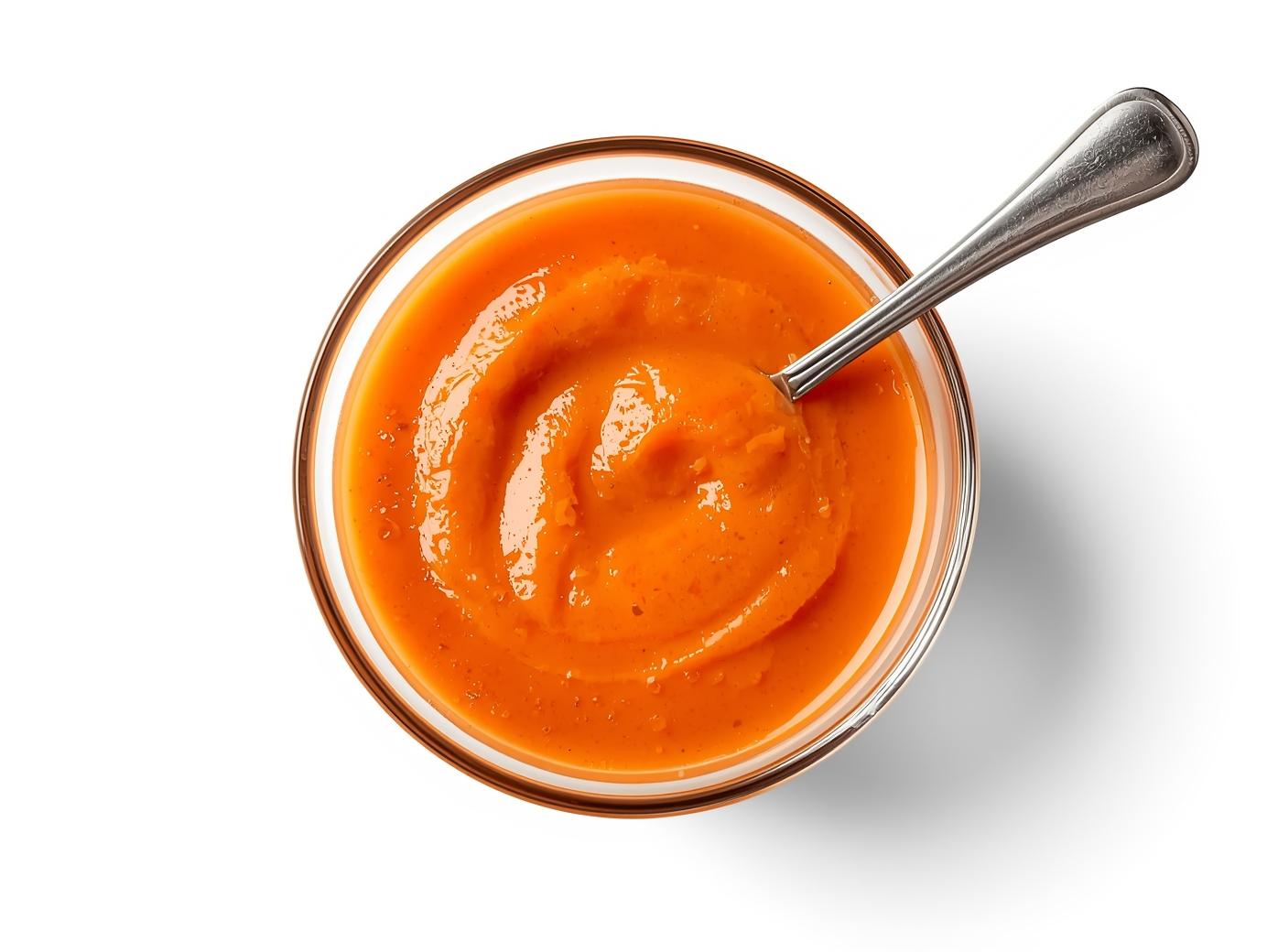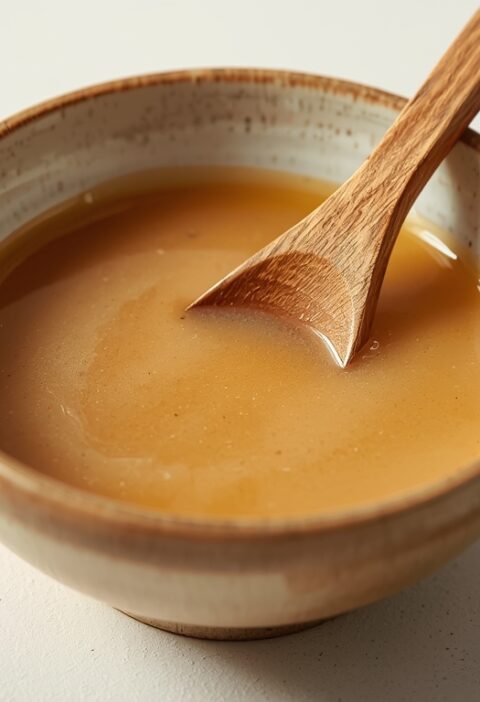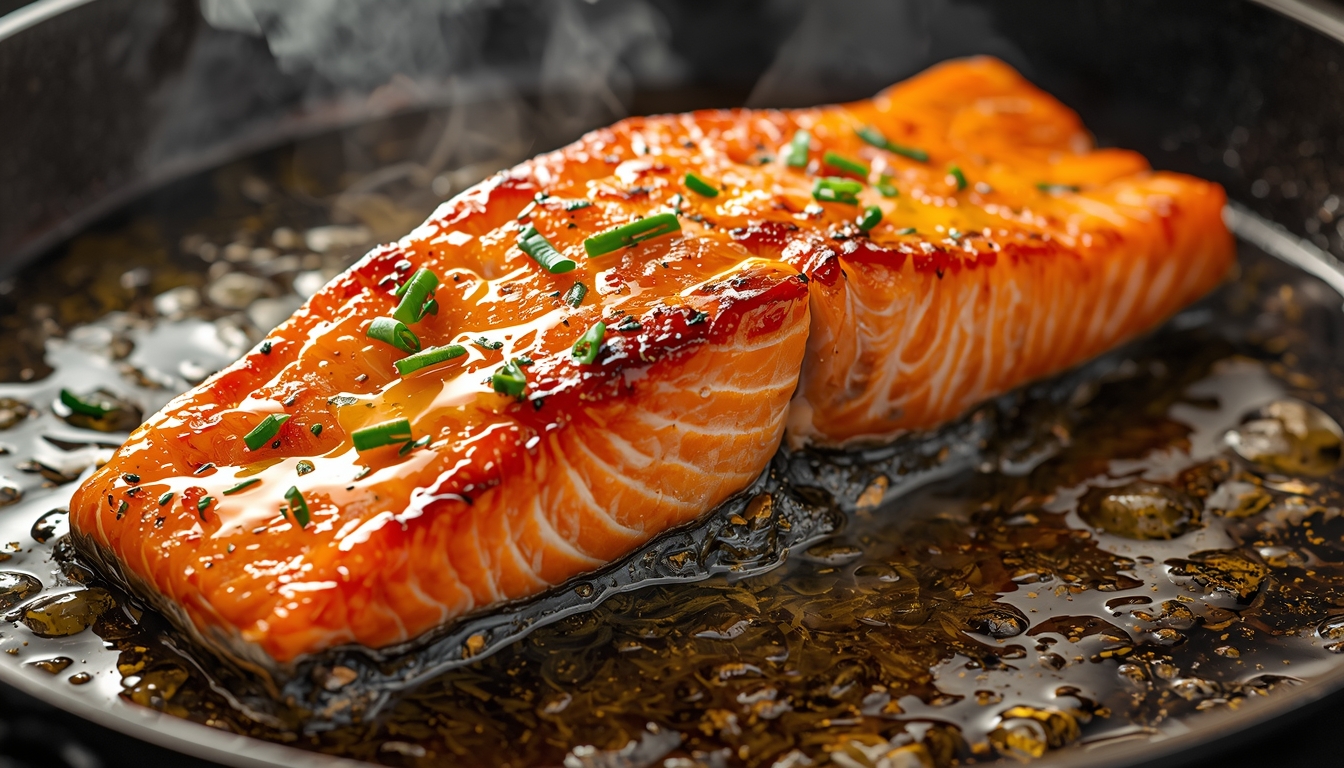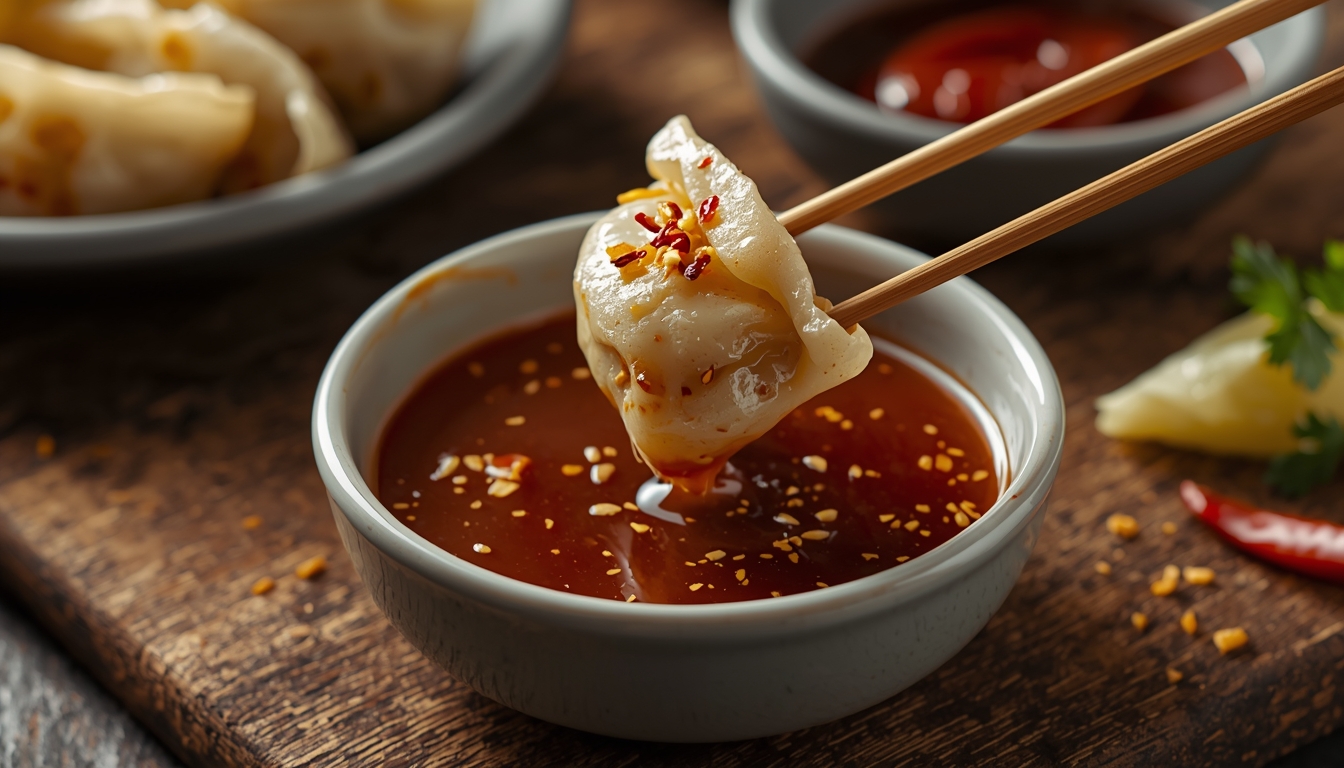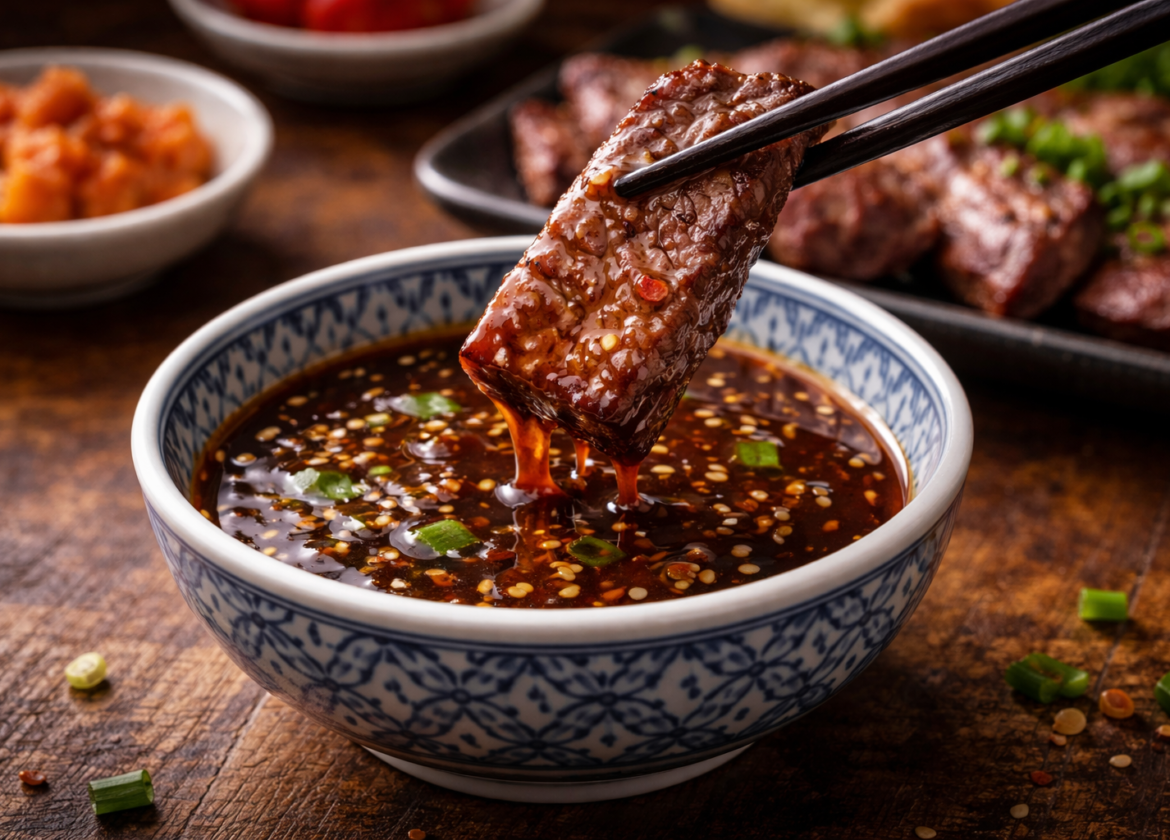
The Japanese culinary tradition of Yakiniku, or grilled meat, relies heavily on the quality of its accompanying dip, known as Tare. A superior Yakiniku Sauce Recipe is far more than a simple condiment; it is a complex, multi-layered glaze that provides the essential balance of sweetness, acidity, and savory umami required to complement high-fat marbled beef and charred proteins. Achieving restaurant-grade results at home requires a shift from viewing the sauce as a mixture to viewing it as an emulsion of carefully processed aromatics.
In professional Japanese kitchens, a Yakiniku Sauce Recipe is often aged or “matured” to allow the harshness of raw garlic and ginger to mellow into the sweetness of soy and mirin. This guide explores the technical aspects of creating a high-quality sauce, focusing on ingredient synergy and heat management. By following a structured approach, you can create a sauce that not only coats the meat perfectly but also enhances the natural flavors of the grill.
Factors That Influence Sauce Quality
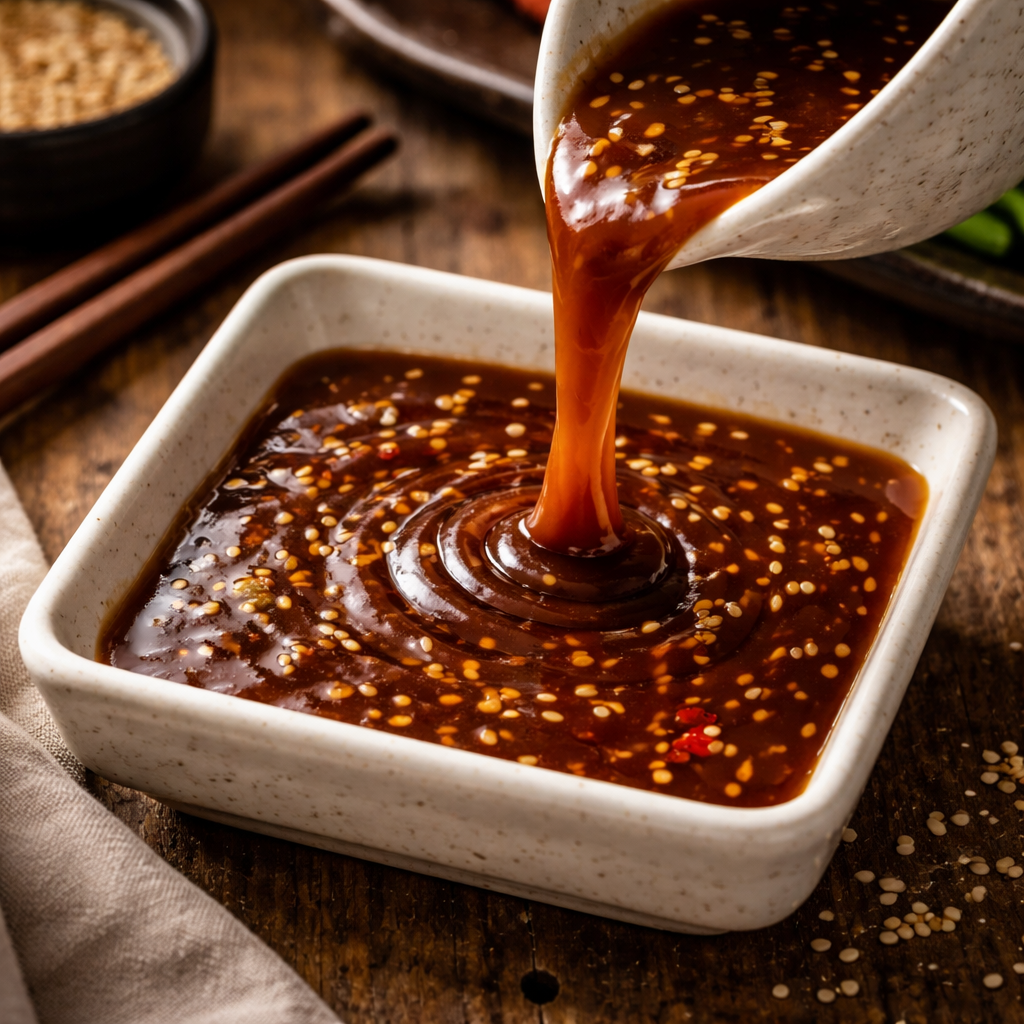
To produce a high-quality Yakiniku Sauce Recipe, one must understand the three pillars of its composition: the liquid base, the aromatics, and the thickening agents.
- Salinity and Sweetness Ratios: The foundation of the sauce is the ratio between soy sauce and sweetening agents (sugar and mirin). If the sugar content is too high, the sauce will burn on the grill; if the salt is too high, it will overpower the meat.
- Enzymatic Activity: Ingredients like grated apple or pear contain natural enzymes that help tenderize the meat if the sauce is used as a marinade. These also provide a subtle, fruity acidity that balances animal fats.
- Aromatic Dispersion: The texture of the garlic and ginger—whether minced, grated, or pressed—dictates how the flavor is released. For a professional Yakiniku Sauce Recipe, grating these ingredients into a paste is preferred for maximum surface area and flavor integration.
- Oxidation and Aging: Freshly made sauce often tastes “sharp.” Allowing the sauce to rest allows for the mellowing of volatile compounds, resulting in a smoother palate.
Selecting and Preparing Ingredients
The quality of your Yakiniku Sauce Recipe is directly limited by the quality of your pantry. Selecting authentic Japanese staples is non-negotiable for an accurate flavor profile.
The Liquid Foundation
- Soy Sauce (Shoyu): Use a high-quality Japanese dark soy sauce. Avoid chemically hydrolyzed vegetable proteins; look for naturally brewed varieties.
- Mirin: Ensure you are using Hon Mirin (true mirin) rather than Mirin-fu (mirin-style seasoning). True mirin contains alcohol, which helps eliminate fishy or gamy odors in meat.
- Sake: A dry culinary sake adds depth and helps the sauce penetrate the meat fibers.
The Sweeteners and Acids
- Fruit Puree: Fuji apple or Asian pear (Nashi) are standard. They provide thickness and a natural sweetness.
- Rice Vinegar: A small amount of acidity is necessary to brighten the heavy savory notes.
- Sugar: Light brown sugar or white granulated sugar is used to achieve the desired viscosity.
Aromatics and Seeds
- Garlic and Ginger: These must be fresh. Pre-minced jarred versions lack the spicy “bite” required for an authentic Yakiniku Sauce Recipe.
- Toasted Sesame Seeds: These provide texture and a nutty aromatic finish. Use a mortar and pestle to lightly crush some of the seeds to release their oils.
Equipment Setup for Precision Cooking
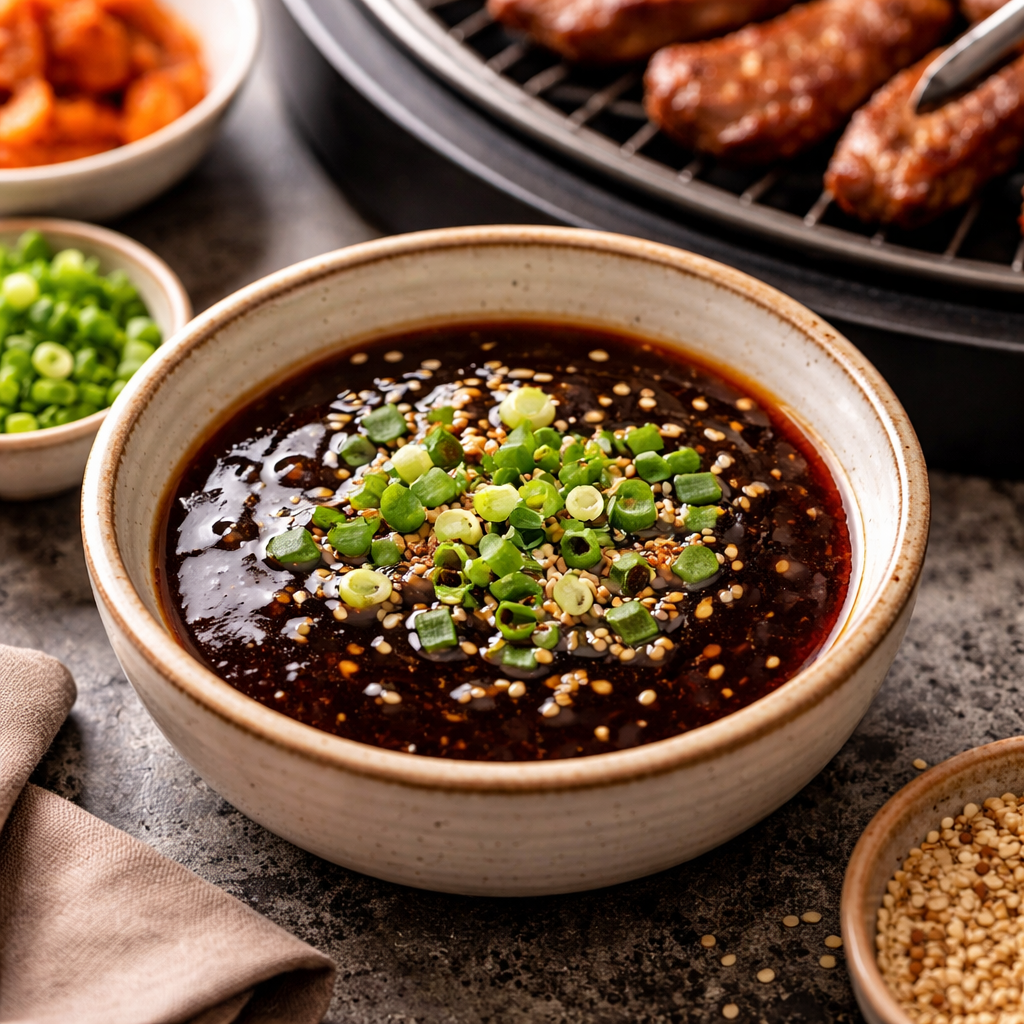
While the cooking process is relatively short, using the correct tools ensures that the aromatics do not burn and the sugars do not crystallize.
- Small Non-Reactive Saucepan: Stainless steel or ceramic-coated pans are ideal. Avoid reactive metals like aluminum, which can impart a metallic taste when in contact with acidic vinegar and soy.
- Japanese Fine Grater (Oroshigane): This tool creates a much finer paste than a standard box grater, which is essential for the smooth texture of a Yakiniku Sauce Recipe.
- Fine-Mesh Sieve: If you prefer a “clear” sauce rather than a “chunky” one, a sieve will allow you to strain out the fruit pulp after the flavors have been extracted.
- Glass Storage Jar: For the aging process. Glass does not absorb odors and allows for a clean environment for the sauce to mature.
Temperature Control and Timing
The cooking phase of a Yakiniku Sauce Recipe is not about boiling, but rather about “blooming” the ingredients.
- Infusion Temperature: The mixture should be heated over low to medium-low heat. The goal is to reach a gentle simmer ($80°C$ to $85°C$).
- Evaporation Control: Do not allow the sauce to boil vigorously. High heat will cause the alcohol in the sake and mirin to evaporate too quickly and may scorch the sugars, leading to a bitter aftertaste.
- Timing: The sauce only needs 5 to 7 minutes of heat to integrate. Prolonged cooking will result in a syrup that is too thick and overly salty.
Executing the Yakiniku Sauce Recipe
1. Grating the Aromatics
Grind the apple, garlic, and ginger into a fine paste. Ensure you retain all the juices from the apple, as this contains the fructose and enzymes necessary for the sauce’s character.
2. Combining the Base
In your saucepan, combine 1/2 cup soy sauce, 1/4 cup mirin, 2 tablespoons of sake, and 2 tablespoons of sugar. Stir until the sugar is completely dissolved before applying heat.
3. The Simmer Phase
Add the grated fruit and aromatics to the saucepan. Place the pan over medium-low heat. Bring the mixture to a bare simmer. Stir constantly to ensure the fruit pulp does not settle and burn on the bottom of the pan.
4. Finishing Touches
After 5 minutes of simmering, remove the pan from the heat. Stir in 1 tablespoon of rice vinegar and 1 tablespoon of toasted sesame oil. Adding these at the end preserves their volatile aromas.
5. Cooling and Maturation
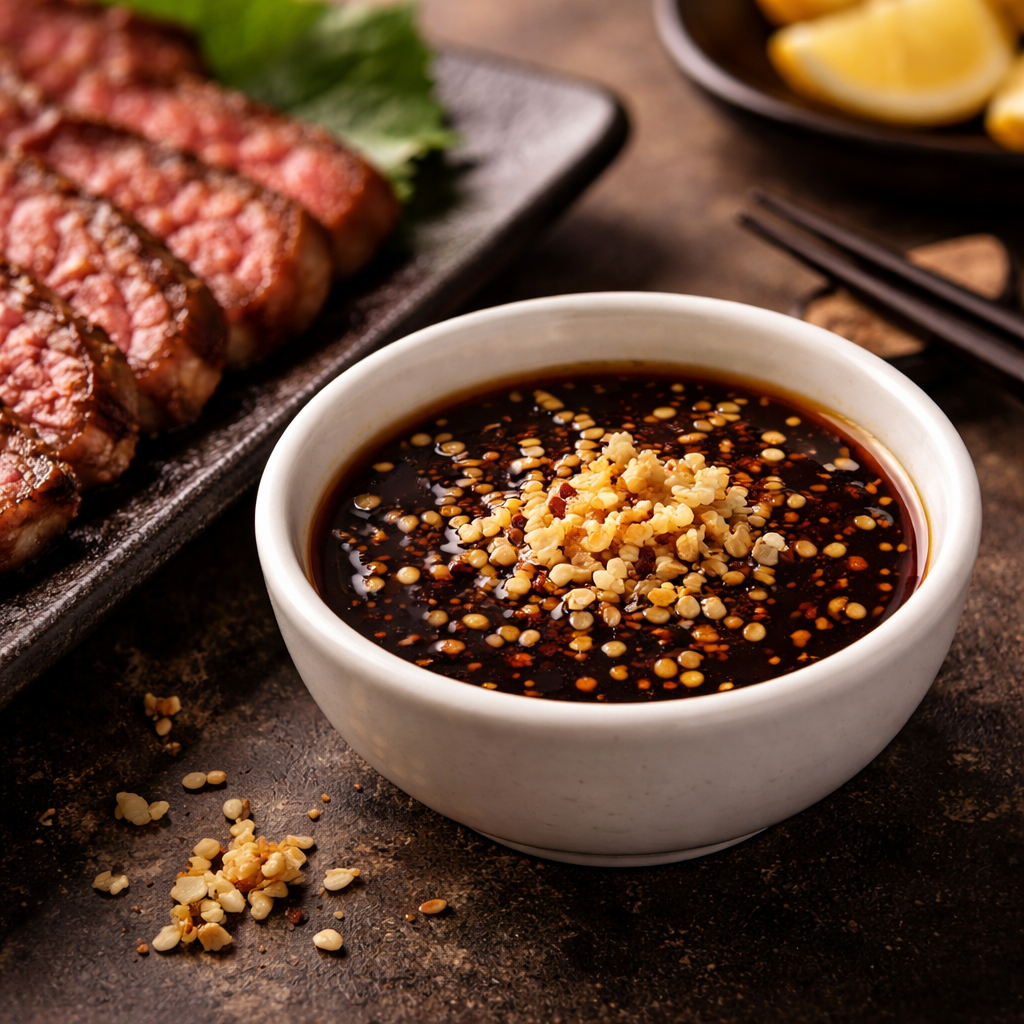
Transfer the sauce to a glass jar and allow it to cool to room temperature. Once cool, stir in the toasted sesame seeds. For the best quality, refrigerate the sauce for at least 24 hours before use. This resting period is the secret to a professional-grade Yakiniku Sauce Recipe.
Quality Problems and Corrections
Even with careful preparation, environmental factors can affect the outcome of your Yakiniku Sauce Recipe.
- Problem: The sauce is too salty.
- Correction: Add more fruit puree (apple or pear) or a splash of water and a teaspoon of sugar. Do not simply add more vinegar, as this will make the sauce too sharp.
- Problem: The sauce is too thin and won’t stick to the meat.
- Correction: Simmer the sauce for an additional 2–3 minutes to reduce it further, or add a very small amount of honey, which increases tackiness.
- Problem: The garlic flavor is too aggressive.
- Correction: This usually means the sauce hasn’t aged long enough. Give it another 24 hours in the refrigerator. If you are in a hurry, heating the sauce for an extra minute can help take the edge off raw garlic.
- Problem: The sauce has a burnt or bitter finish.
- Correction: This is usually a result of burning the sugar or the garlic during the simmer. Unfortunately, this cannot be corrected; the batch must be restarted with lower heat.
Frequently Asked Questions (FAQ)
How long does home-made Yakiniku sauce last?
Because of the high salt and sugar content, a Yakiniku Sauce Recipe can be safely stored in an airtight container in the refrigerator for up to 2 to 3 weeks. Always use a clean spoon to prevent contamination.
Can I use this sauce as a marinade?
Yes. However, because of the sugar content, meat marinated in this sauce will burn quickly on the grill. It is best to marinate for a short period (30 minutes) or use it primarily as a dipping sauce after the meat is cooked.
Is there a gluten-free version of this recipe?
To make a gluten-free Yakiniku Sauce Recipe, simply substitute the soy sauce for Tamari. Ensure your sake and mirin are also certified gluten-free, as some lower-quality brands use grain additives.
Why is apple or pear used in the sauce?
The fruit serves two purposes: it provides a natural, complex sweetness that sugar alone cannot replicate, and it adds body (viscosity) to the sauce without the need for cornstarch or other artificial thickeners.
Can I add heat to this recipe?
If you prefer a spicy Yakiniku Sauce Recipe, you can add Gochugaru (Korean red chili flakes) or Tobanjan (chili bean paste) during the simmering phase. This adds a fermented heat that complements the soy base perfectly.
By adhering to these technical guidelines and allowing the ingredients the necessary time to mature, you can produce a Yakiniku Sauce Recipe that rivals those found in high-end Japanese steakhouses. The key to quality is found in the freshness of the aromatics and the patience of the maturation process.
Big Mac Sauce Recipe – Easy, Classic & Homemade
Homemade Hot Fudge Sauce Recipe – Chocolate Lovers’ Dream
Easy Adobo Sauce Recipe for Beginners
Easy Boom Boom Sauce Recipe – Creamy, Spicy & Delicious
Hainanese Chicken Rice Chilli Sauce – Authentic, Fresh & Spicy