When exploring Zesty Italian Pasta Salad Recipes, the primary expectation is a dish that balances vibrant acidity with a hearty combination of starch, vegetables, and cured meats. Unlike warm pasta dishes that rely on emulsified butter or cream sauces, a pasta salad is defined by its ability to maintain freshness over several hours. This makes it a staple for outdoor gatherings, meal prepping, and casual dining.
The “zesty” component of these recipes refers to the high-impact Italian dressing, which typically utilizes a blend of vinegar, lemon juice, and dried herbs to cut through the richness of pasta and cheese. For a home cook, the experience of making Zesty Italian Pasta Salad Recipes is one of assembly and timing. While the actual cooking is limited to the pasta itself, the success of the dish depends on how well the ingredients are prepped to ensure every bite provides a consistent mix of textures.
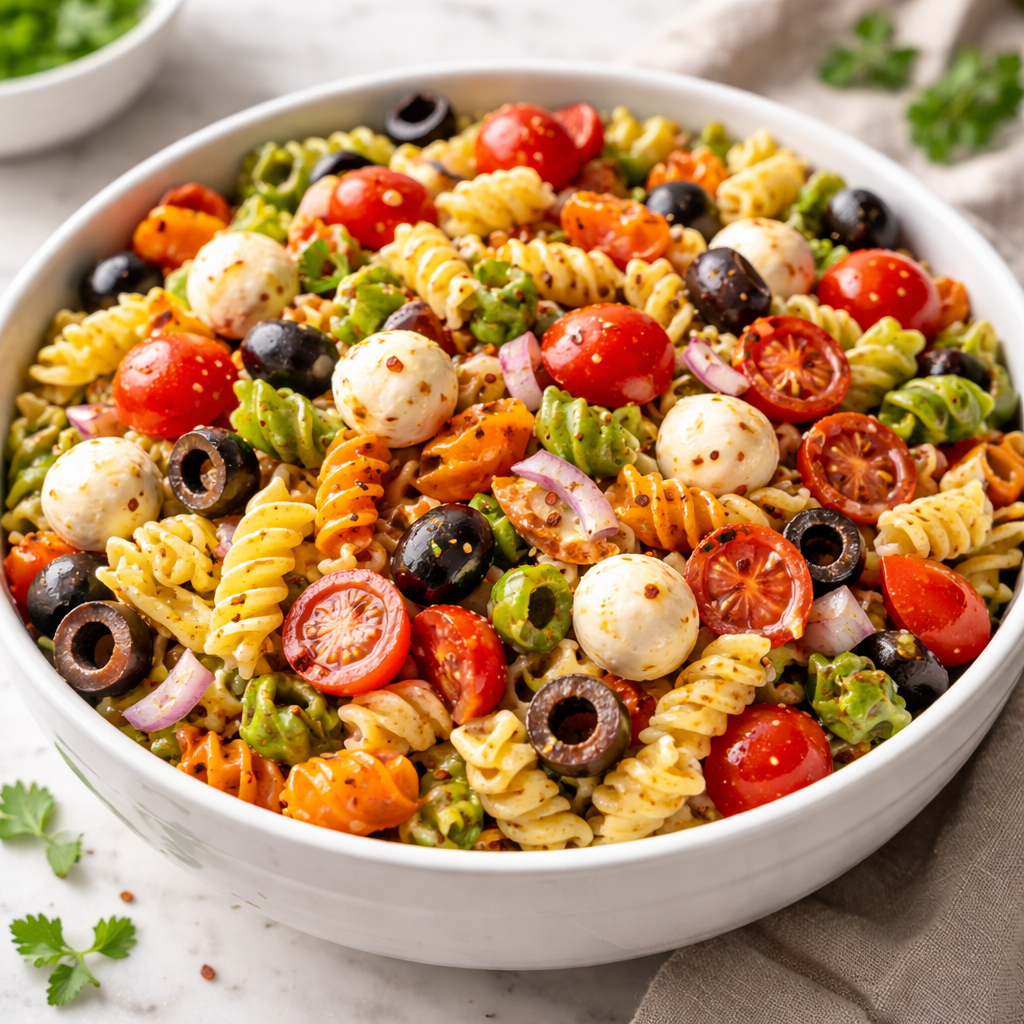
Final Texture and Flavor Explained
A successful execution of Zesty Italian Pasta Salad Recipes should result in a specific sensory profile. The pasta should be firm—often referred to as al dente—to prevent it from becoming mushy once it absorbs the dressing. Because the salad is served cold, the flavors will naturally be more muted than in a hot dish; therefore, the seasoning must be slightly more aggressive to compensate.
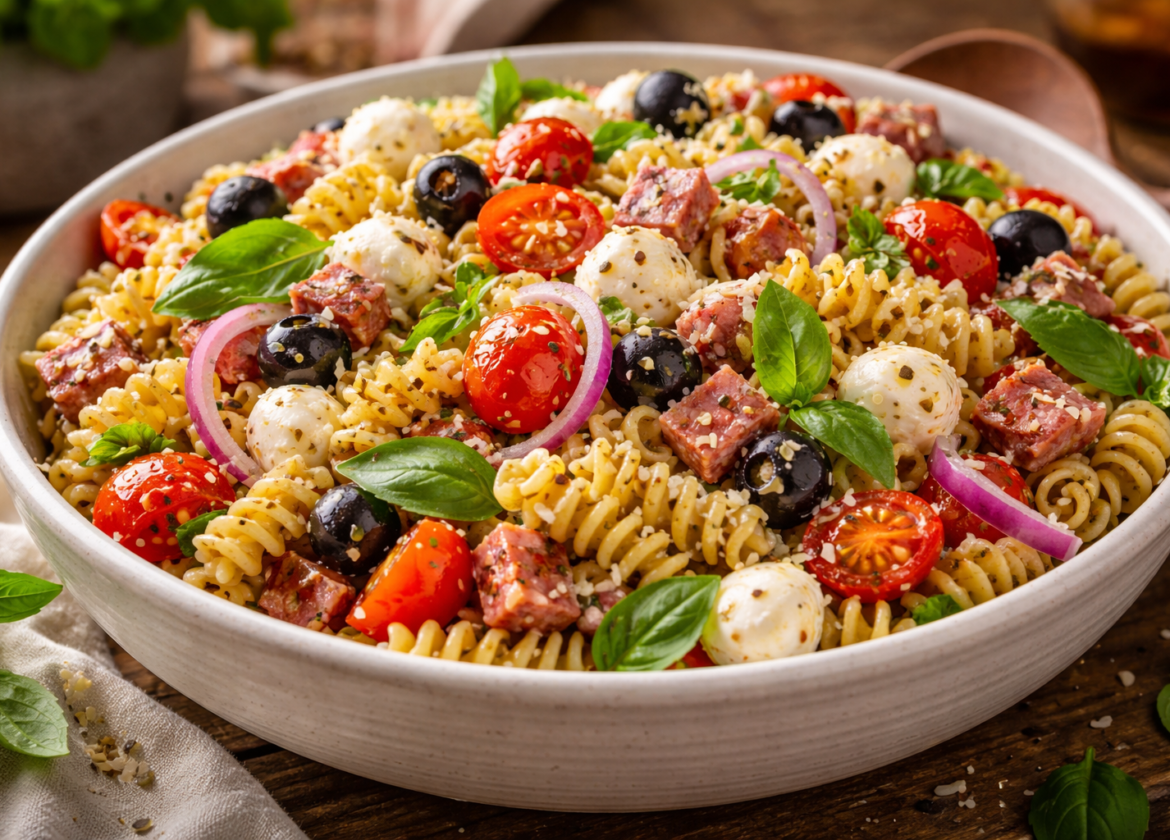
The flavor profile is a complex interplay of salty, tangy, and herbal notes. You should expect a sharp “zing” from the vinaigrette, followed by the savory depth of meats like salami or pepperoni, and finished with the creamy saltiness of fresh mozzarella or provolone. Visually, these recipes should be colorful and variegated, signaling a diverse array of fresh vegetables like bell peppers, red onions, and olives.
Ingredient Measurements and Preparation
The integrity of Zesty Italian Pasta Salad Recipes relies on uniform dicing. When all ingredients are roughly the same size as the pasta shapes, the salad is easier to eat and the flavors distribute more evenly.
The Pasta Foundation
- Measurement: 1 lb (16 oz) of dry pasta.
- Shape: Rotini, Fusilli, or Tri-color Radiatori are ideal. These shapes have “nooks and crannies” that trap the dressing and small herbs.
The Protein and Cheese
- Salami or Pepperoni: 4 to 6 oz, diced into quarter-inch cubes or thin ribbons.
- Mozzarella Pearls: 8 oz of fresh “perline” or diced low-moisture mozzarella.
- Parmesan: 1/4 cup of finely grated cheese for an extra layer of umami.
The Vegetable Mix
- Bell Peppers: 1 large (any color), seeded and finely diced.
- Red Onion: 1/2 small onion, finely minced. Bold Tip: Soak minced red onions in cold water for 10 minutes to remove their harsh “bite” before adding them to the salad.
- Black Olives: 1 small can (approx. 4 oz), sliced.
- Cherry Tomatoes: 1 pint, halved.
The Zesty Dressing
- Base: 1 cup of high-quality Italian vinaigrette (either homemade or store-bought).
- Enhancements: 1 tablespoon of fresh parsley and a pinch of red pepper flakes for heat.
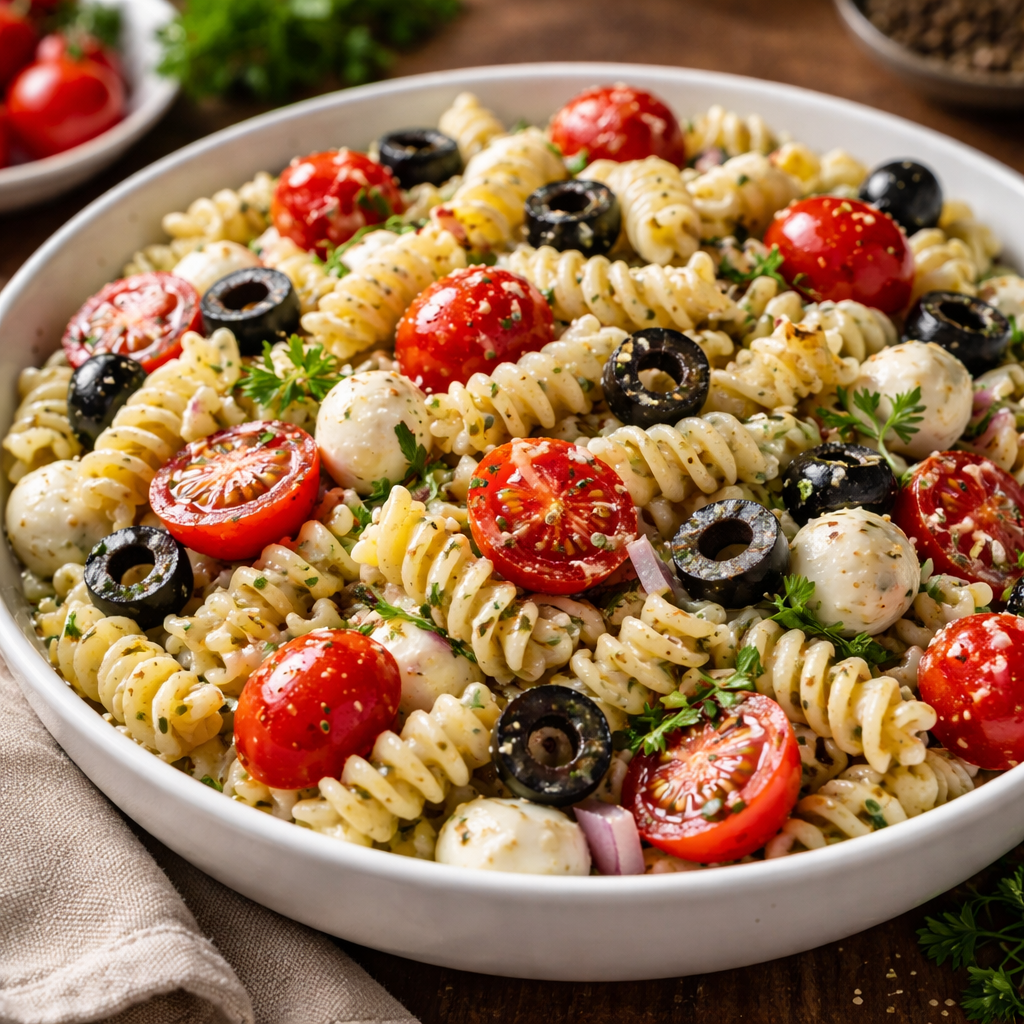
Tools Needed for Consistent Results
While Zesty Italian Pasta Salad Recipes are relatively simple, using the correct tools ensures that the texture remains professional and the shelf-life is maximized.
- Large Stockpot: Essential for boiling the pasta in a high volume of salted water to prevent sticking.
- Fine-Mesh Colander: Necessary for draining the pasta and rinsing it thoroughly with cold water to stop the cooking process immediately.
- Large Glass or Stainless Steel Mixing Bowl: Non-reactive materials are vital because the vinegar in the dressing can react with aluminum bowls, creating a metallic taste.
- Sharp Chef’s Knife: To achieve the uniform dicing required for the vegetables and meats.
- Airtight Storage Container: Pasta salad needs to “marinate,” and a sealed container prevents the pasta from drying out in the refrigerator.
Cooking Phases and Time Management
To achieve the best results with Zesty Italian Pasta Salad Recipes, the workflow should be divided into distinct stages.
- Phase 1: Pasta Preparation (15 Minutes): This includes boiling, draining, and cooling the pasta.
- Phase 2: The Chop (15 Minutes): While the pasta water boils, prepare all vegetables, meats, and cheeses.
- Phase 3: Initial Assembly (5 Minutes): Combining the cooled pasta with the solids and half of the dressing.
- Phase 4: The Marination (2 Hours to Overnight): Allowing the salad to chill and the flavors to penetrate the pasta.
- Phase 5: The Final Toss (2 Minutes): Adding the remaining dressing and fresh herbs just before serving.
Complete Zesty Italian Pasta Salad Recipes Cooking Process
1. Boil the Pasta
Bring a large pot of water to a rolling boil. Add at least two tablespoons of salt. Cook the pasta for one minute less than the package instructions for al dente. Bold Tip: Pasta continues to soften as it absorbs dressing, so a firm starting point is mandatory.
2. The Cold Shock
Drain the pasta and immediately rinse it under cold running water until the noodles are cool to the touch. This removes surface starch and prevents the pasta from clumping together as it cools.
3. Combining the Solids
In your large mixing bowl, combine the cooled pasta, diced salami, mozzarella, bell peppers, onions, tomatoes, and olives. Toss them gently using a large spoon or spatula to avoid breaking the pasta shapes.
4. The First Dressing
Pour approximately 2/3 of your Italian dressing over the mixture. Add the grated Parmesan and red pepper flakes. Toss until every ingredient is thoroughly coated.
5. Refrigeration
Cover the bowl tightly and refrigerate for at least two hours. During this time, the pasta will absorb the liquid and the dried herbs in the dressing will rehydrate, releasing their oils.
6. The Final Refresh
Right before serving, pour the remaining 1/3 of the dressing over the salad. The pasta will have soaked up the initial liquid, so this final addition provides the “glossy” and “zesty” finish that readers expect. Top with fresh parsley.
Issues That Can Ruin the Outcome
Even with a detailed approach to Zesty Italian Pasta Salad Recipes, a few common errors can compromise the quality of the final dish.
- Mushy Pasta: This is the most frequent failure. If the pasta is overcooked even slightly, the acid in the vinaigrette will break down the starches further, resulting in a soggy texture. Always err on the side of undercooking.
- Dry Salad: Pasta is highly absorbent. If you dress the salad once and serve it hours later, it will likely be dry. Bold Tip: Always reserve a portion of the dressing to add immediately before the salad hits the table.
- Lack of Seasoning: Cold temperatures dull the perception of salt and spice. If the salad tastes “flat” after chilling, add a squeeze of fresh lemon juice or an extra pinch of kosher salt to brighten the flavors.
- Watery Base: If the tomatoes or cucumbers (if used) are very ripe, they may release excess water. To prevent a watery pool at the bottom of the bowl, seed your tomatoes and cucumbers before dicing.
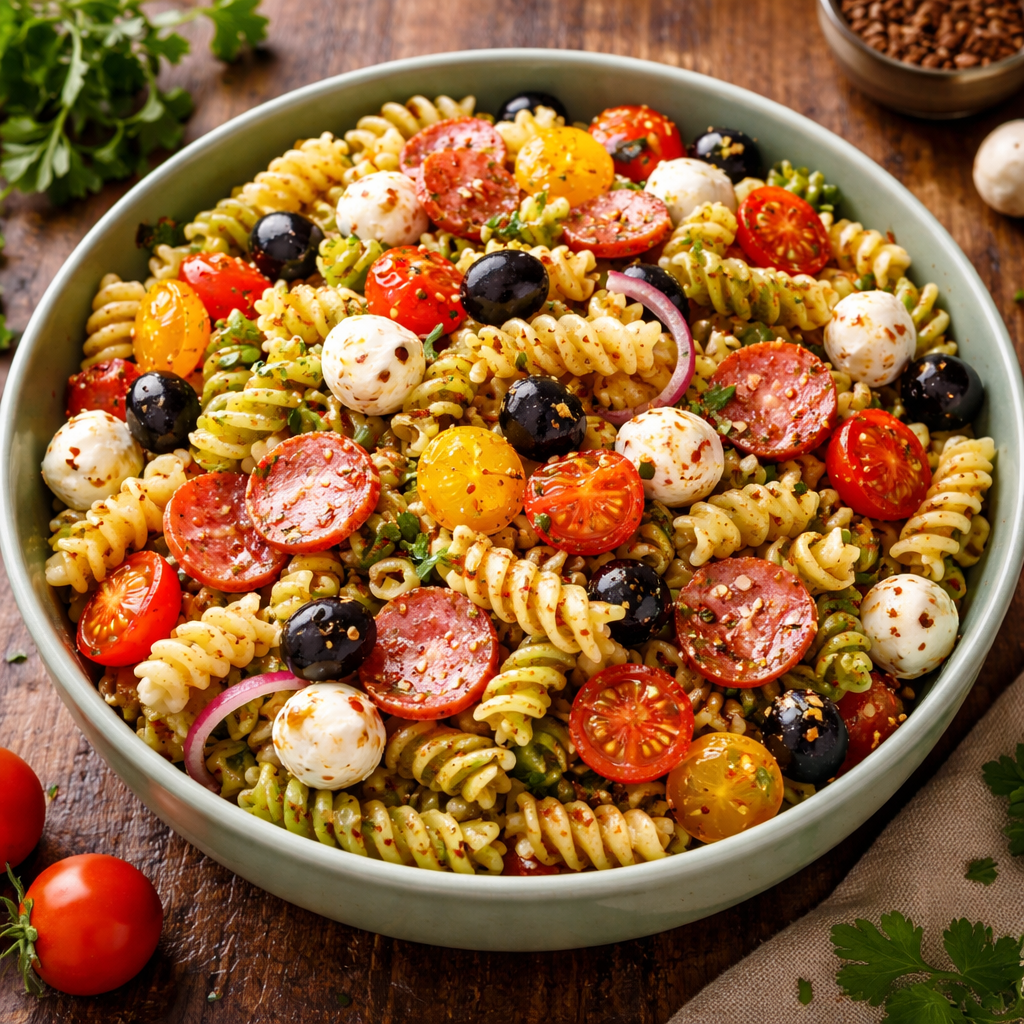
Frequently Asked Questions About Zesty Italian Pasta Salad Recipes
Can I make these recipes gluten-free?
Yes. Many Zesty Italian Pasta Salad Recipes work well with chickpea or brown rice pasta. However, gluten-free pasta tends to become brittle when cold. It is best to serve gluten-free versions within 4 hours of preparation rather than letting them sit overnight.
How long does Italian pasta salad stay fresh in the fridge?
When stored in an airtight container, the salad remains safe and flavorful for 3 to 5 days. It is an excellent candidate for Sunday meal prep.
Should I use store-bought or homemade dressing?
Both options are viable. Store-bought “Zesty Italian” dressings are designed with stabilizers that help the sauce cling to the pasta. If making a homemade version, ensure you use a high ratio of dried herbs (oregano, basil, and garlic powder) to achieve that signature zesty profile.
Can I add chicken or shrimp to these recipes?
Absolutely. Grilled chicken or chilled bay shrimp are common additions. If adding seafood, ensure it is added only on the day of serving to maintain the best texture.
Why do you rinse the pasta?
While you never rinse pasta for a hot dish (because you want the starch to help the sauce stick), you must rinse it for Zesty Italian Pasta Salad Recipes. Rinsing stops the cooking process instantly and removes the “sticky” starch that would otherwise cause the salad to turn into a solid block in the refrigerator.
What is the best cheese to use?
Fresh mozzarella pearls (Ciliegine or Perline) are preferred for their soft texture. However, cubed sharp provolone is a traditional alternative that stands up well to the strong acidity of the dressing.
Chickpea Pasta Recipe – Gluten-Free & Delicious
Quick & Delicious Creamy Ditalini Pasta Recipe
How to Make Benihana Chicken Fried Rice recipe at Home
Easy Pappardelle Pasta Recipes You Can Make at Home
Quick & Flavor-Packed Dill Pickle Pasta Salad Recipe